


“I remember when my little boy was around two years old. While other children his age were calling out “mama” and “papa,” my son stayed quiet. He loved lining up his toy cars more than playing with me. At first, I thought, maybe he’s just shy, maybe he’ll talk when he’s ready.
But then I noticed something. He wouldn’t look into my eyes when I called his name. Even when I hugged him, it sometimes felt like he was far away in his own world. Loud noises would upset him, and small changes in routine could bring big meltdowns.
That’s when a doctor explained to me: This is autism.”
• May repeat certain movements (like hand flapping or rocking).
• Prefer to follow routines and may get upset with changes.
• Can have very strong interests in specific things (like numbers, toys, or topics).
• May react differently to sounds, lights, textures, or smells — being very sensitive or not noticing them much. this is for testing only next time it will be live data it will be live data it will be live data
• May find it hard to make or keep eye contact.
• May find it hard to make or keep eye contact.
• May find it hard to make or keep eye contact.
• May find it hard to make or keep eye contact.
• May find it hard to make or keep eye contact. final
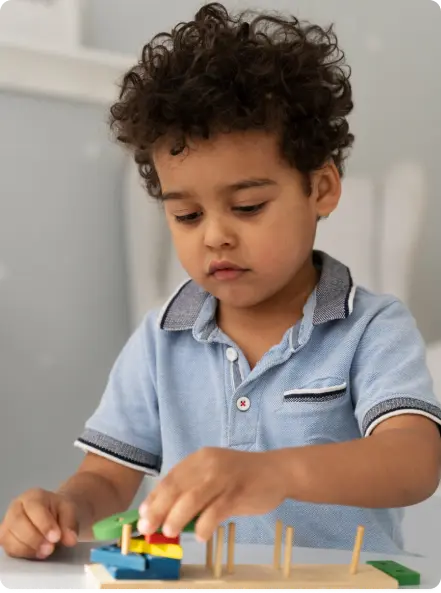
 Red Flags of Autism in Infants and Toddlers
Uses gestures (like pointing, waving), responds to simple commands, says simple words.
No babbling, no gestures, no response when called, doesn’t imitate sounds/gestures.
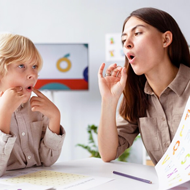
At Jeevaniyam, we believe every child has a unique rhythm of growth. Our Jeevashakthi approach blends the best of modern science, Ayurveda, therapies, AI tools, and yogic practices to nurture children with autism. Just like a rocket uses different fuels at different stages, we provide the right care at the right time, helping children progress step by step — even in areas parents once thought impossible.
 Modern Medicine Integration
Natural therapies to improve focus, reduce hyperactivity, and balance sensory challenges.
Speech & Language Therapy
For communication, expression, and language development.