
If you’re someone who watches the development in healthcare closely, you might have already heard about stem cells and their potential. But what does this mean for autism? Even though we are still in the developmental phase, we believe in keeping you informed. We will discuss how stem cell technology can impact autism care and what the researchers say. Come, let’s dive into the world of stem cell therapy. (Not a deeper dive this time. Later, we will.)
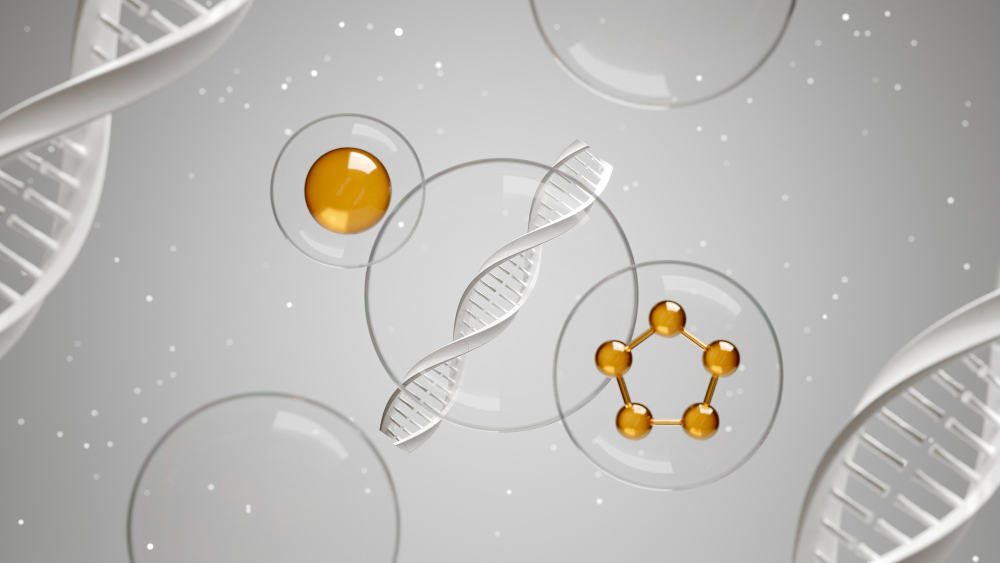
The regenerative capacity is key. Cells can renew themselves and transform into different types of cells in the body. That’s essentially what stem cells are! This remarkable capacity is why scientists are exploring them for conditions like autism, where we believe certain brain functions could be supported through cellular repair. Stem cell therapy can impact autism care in the following ways:
Think of stem cells as tiny repair crews for the brain. For individuals with autism, there might be areas where neurons (brain cells) are damaged or not functioning optimally. Stem cells have the potential to regenerate and repair these damaged neurons. They can differentiate, becoming the specific types of brain cells needed to support healthy brain function.
Research suggests that inflammation within the brain (neuroinflammation) is often present in individuals with autism. Stem cells are like natural guards. They release anti-inflammatory molecules that can help cool down this inflammation, potentially easing some of the autism-related symptoms.
Another factor that can affect brain health is oxidative stress, caused by harmful free radicals. Stem cells help to eliminate these free radicals and reduce oxidative stress, creating a healthier environment for brain cells to thrive.
Learning and development depend on strong connections between neurons, a concept called synaptic plasticity. Stem cells are like manure for these connections. They generate growth factors that encourage neurons to grow and build stronger, more flexible connections. This enhanced synaptic plasticity could potentially improve learning, communication, and other cognitive functions.
The ideas we’ve discussed above are not just theories. Scientists are actively conducting clinical trials to see if stem cell therapy is safe and effective for autism. These trials are like carefully designed experiments to test the potential of these treatments in real people. Some exciting areas of clinical research include:
Many trials are exploring cord blood mononuclear cells (CB-MNC), stem cells harvested from umbilical cord blood after birth. Cord blood is rich in stem cells and readily available.
Another promising type is umbilical cord mesenchymal stromal cells (UC-MSC), stem cells derived from the umbilical cord tissue itself. These cells have shown unique properties that could be beneficial in autism.
Researchers are particularly interested in Wharton’s Jelly Mesenchymal Stem Cells (WJ-MSCs). These stem cells, also from the umbilical cord, stand out due to their strong anti-inflammatory and neuroprotective effects. They seem particularly well-suited to address some of the core challenges in autism.
In fact, yes. The immune system plays a much bigger role in overall health, including brain health, than we once thought. Emerging research highlights a connection between the immune system and autism. Interestingly, stem cells are known to have the ability to regulate the immune system. This means stem cell therapy might not just work on brain cells directly but also indirectly by helping to balance immune function, which could be beneficial in autism.
Leading institutions like Duke University are at the forefront of this research. Their studies are showing promising results in using stem cell therapy to improve immune function and enhance brain connections in individuals with autism. While we are still in the early stages, these findings are incredibly encouraging and fuel further research in this field.
Stem cell therapy for autism is undoubtedly an emerging and promising field. It’s important to remember that this is still very much in the research and development phase. It is not yet a standard or widely available treatment. However, there are rather established treatment protocols in autism care. Jeevaniyam, the best autism treatment in Kochi, can provide you with all established ways of autism care, including speech and language pathology, psychology and behavioral management, educational rehabilitation, physiotherapy, occupational therapy, sensory integration, music therapy, clinical yoga, and several other ayurvedic and integrated therapies.
Please note: Jeevaniyam does not offer stem cell therapy. This blog post is for informational purposes only and should not be considered medical advice. Stem cell therapy for autism is still under investigation in clinical trials. Always consult with qualified medical professionals for diagnosis and treatment decisions.


 About Us