



"Every morning was a struggle — the sound of the blender made my son cover his ears and cry, the feel of certain clothes made him refuse to get dressed, and even a gentle hug sometimes felt “too much” for him. At first, I thought he was just being fussy, but deep down I knew it was different. That’s when I learned about Sensory Processing Disorder — his brain was simply processing everyday sights, sounds, and touches in a way that felt overwhelming."
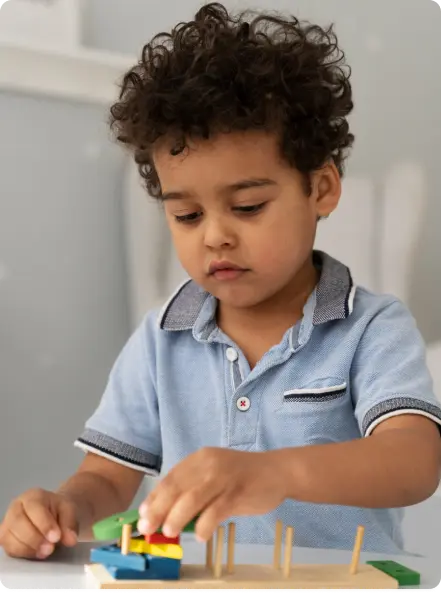
 Signs of Sensory Processing Difficulties You May Notice at Home
Covers ears to normal household sounds (vacuum, blender, pressure cooker). Gets upset in noisy places like markets, parties, or classrooms. May not notice when spoken to (under-responsive).
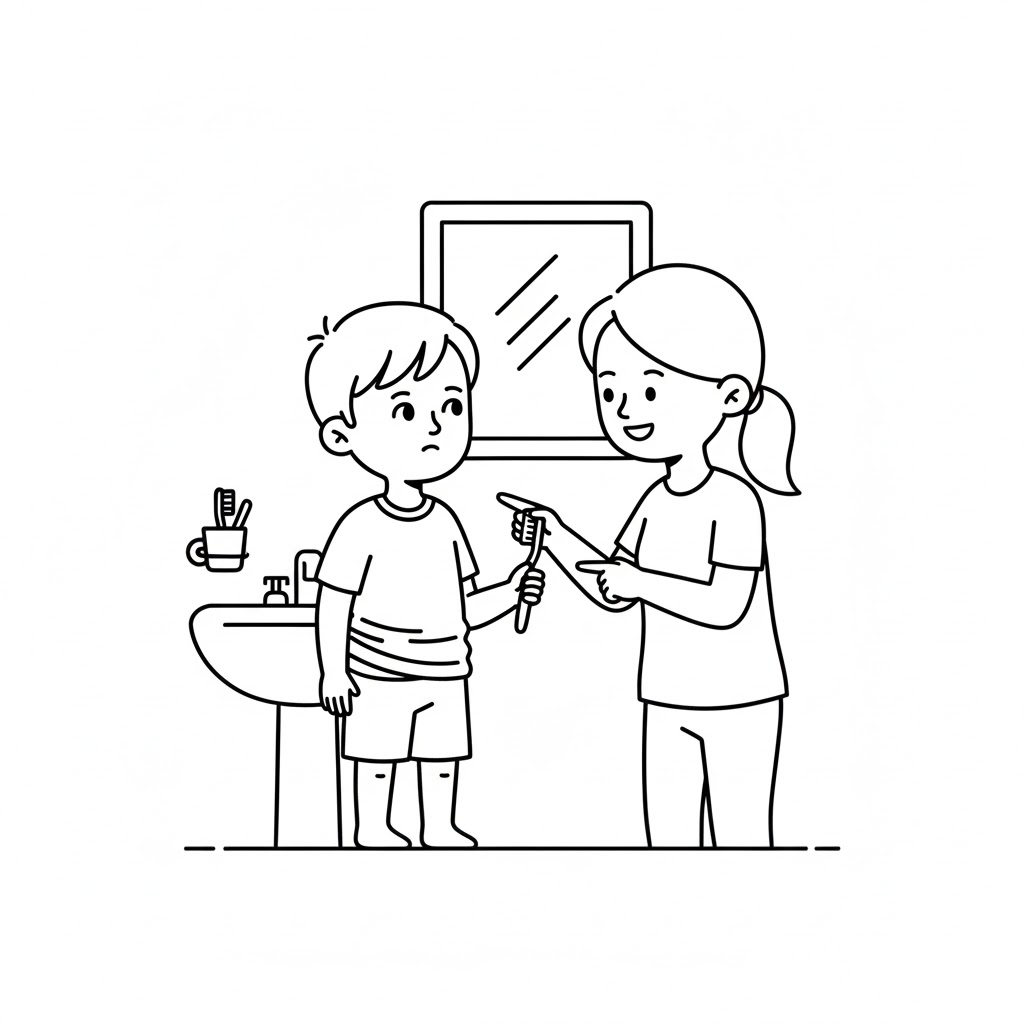
Refuses certain clothes because of fabric, tags, or seams. Dislikes bathing, haircuts, nail trimming, or tooth brushing. Avoids messy play (sand, paint, clay) OR seeks too much touch (keeps touching people/objects).
Very picky eater — avoids foods by texture, smell, or look. Gags easily with certain foods. Craves very strong flavors (spicy, crunchy, sour).
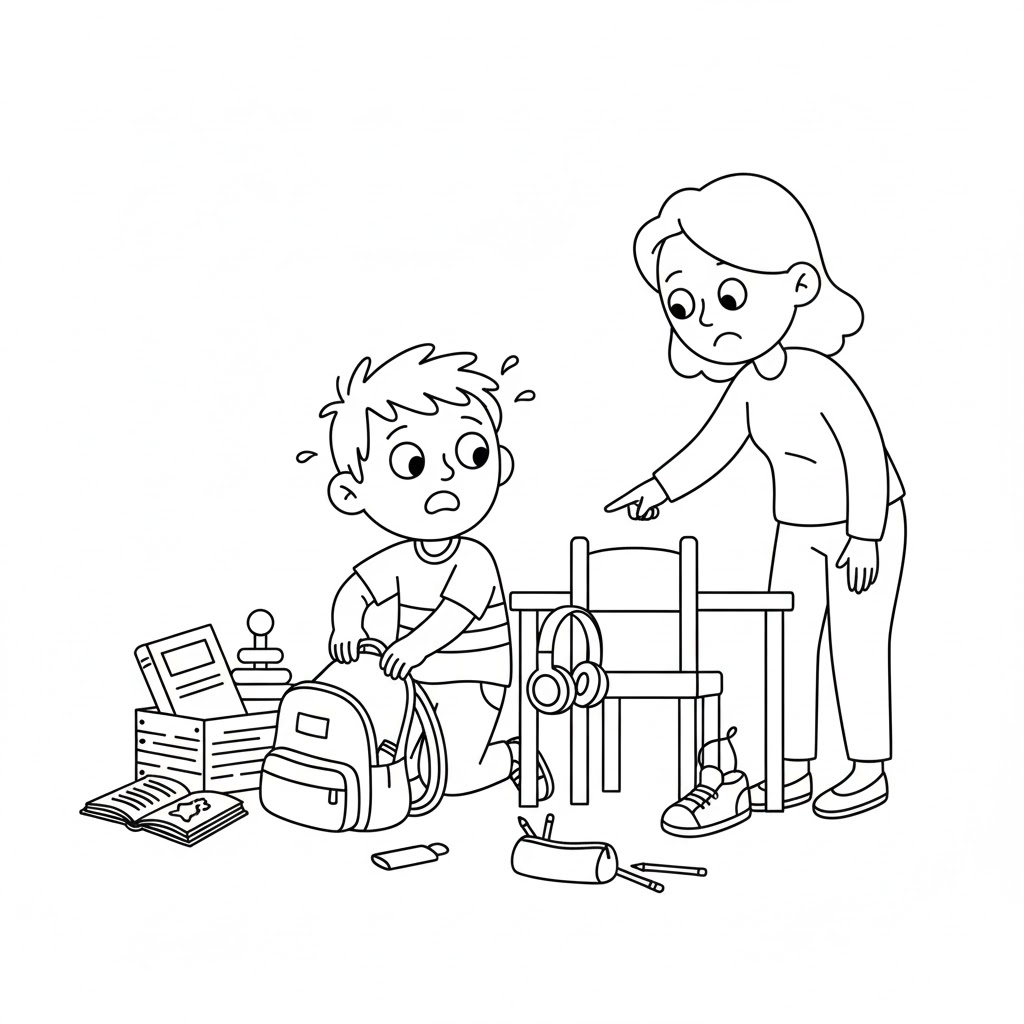
Bothered by bright lights or moving visuals (like fans, rotating toys). May stare at spinning objects or lights for long periods.
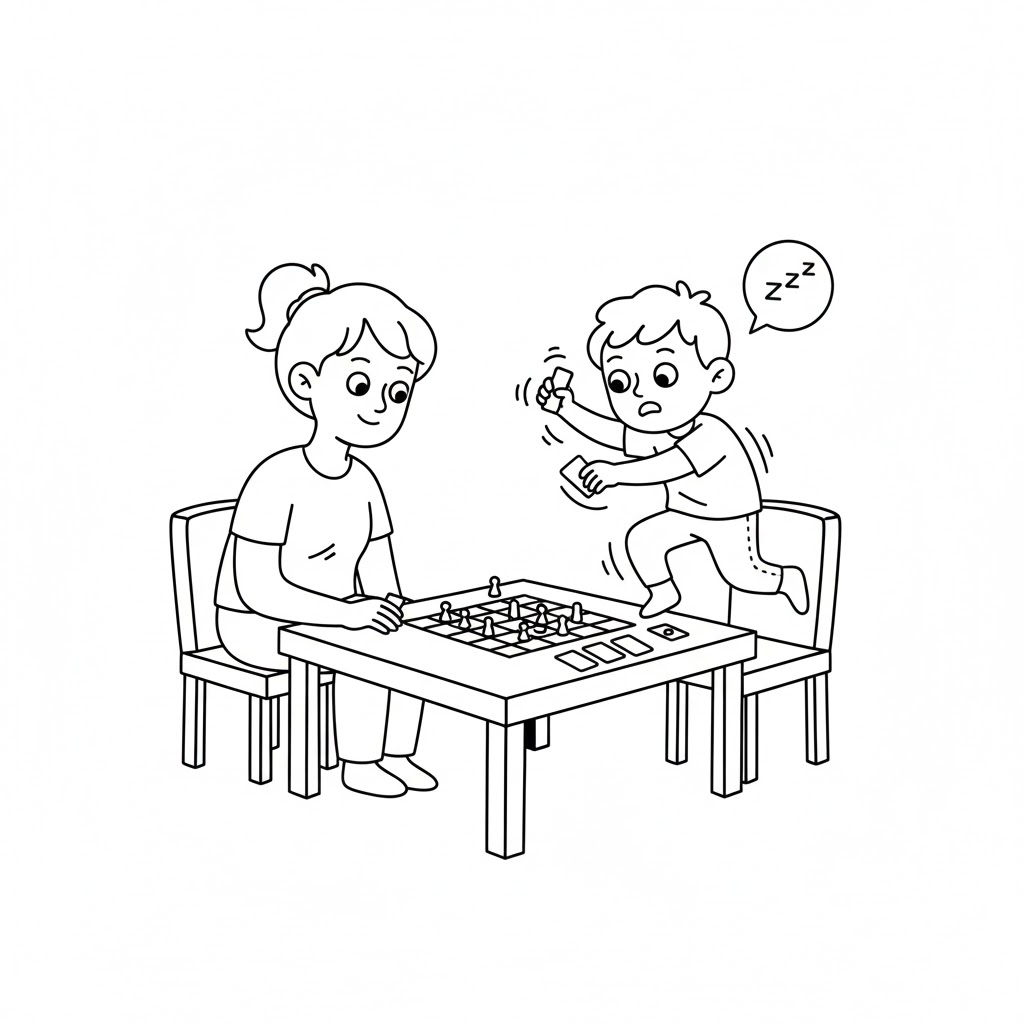
Afraid of swings, slides, or climbing (avoids playground). OR constantly seeks movement — running, spinning, jumping non-stop. Appears clumsy, bumps into things, or falls often.
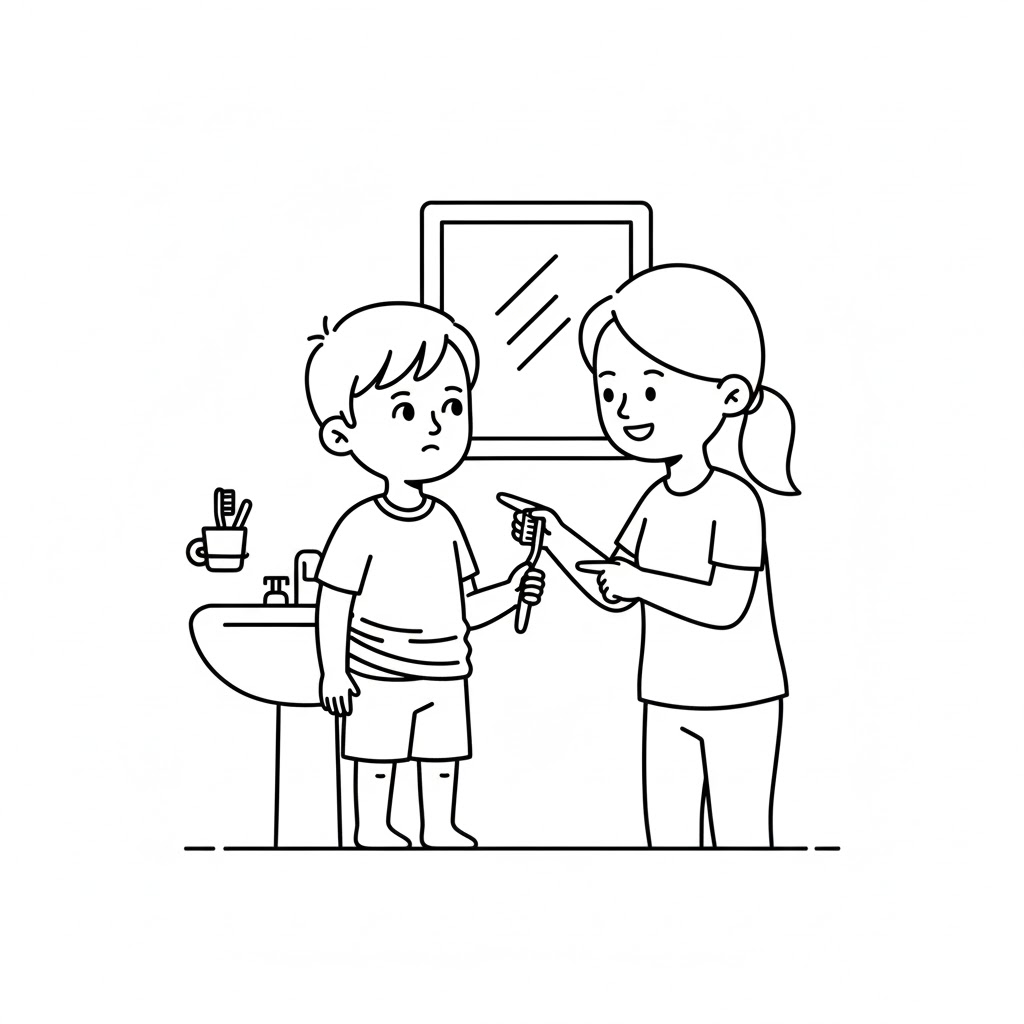
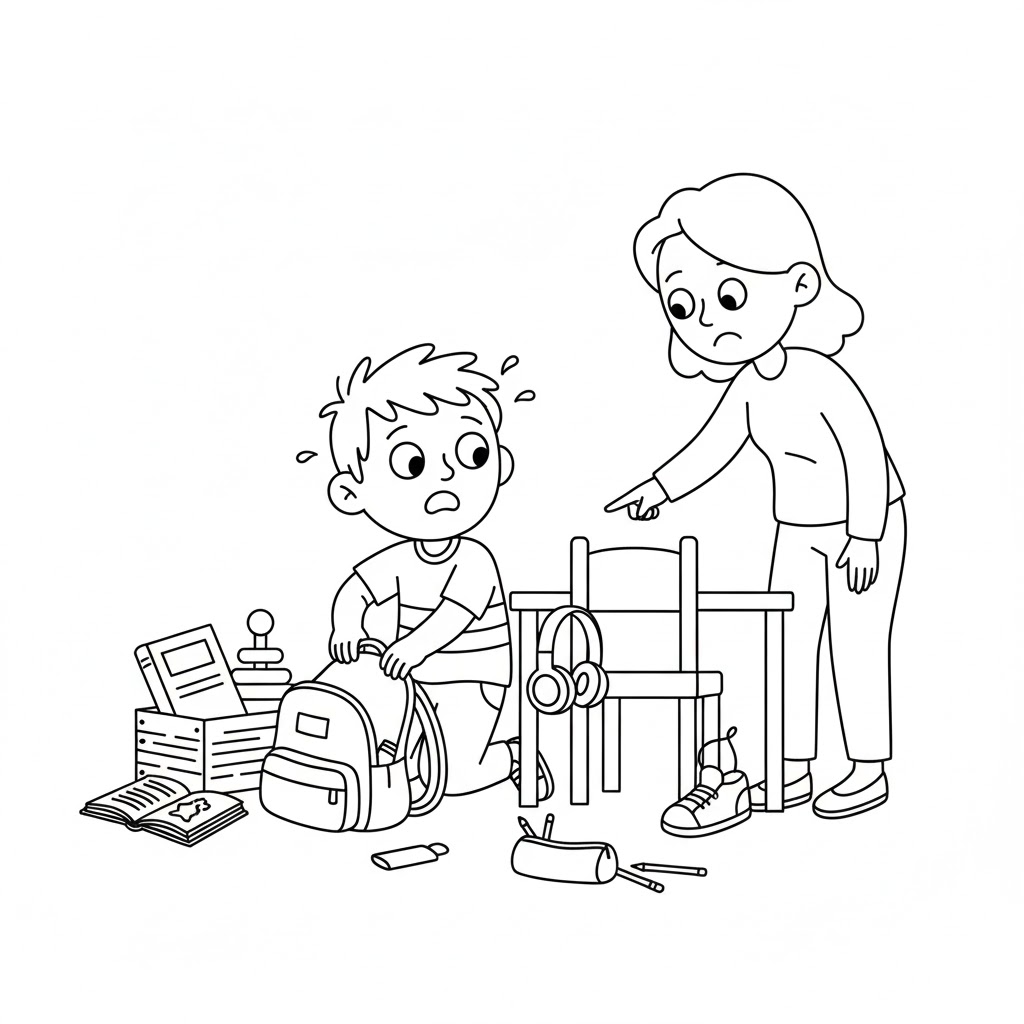
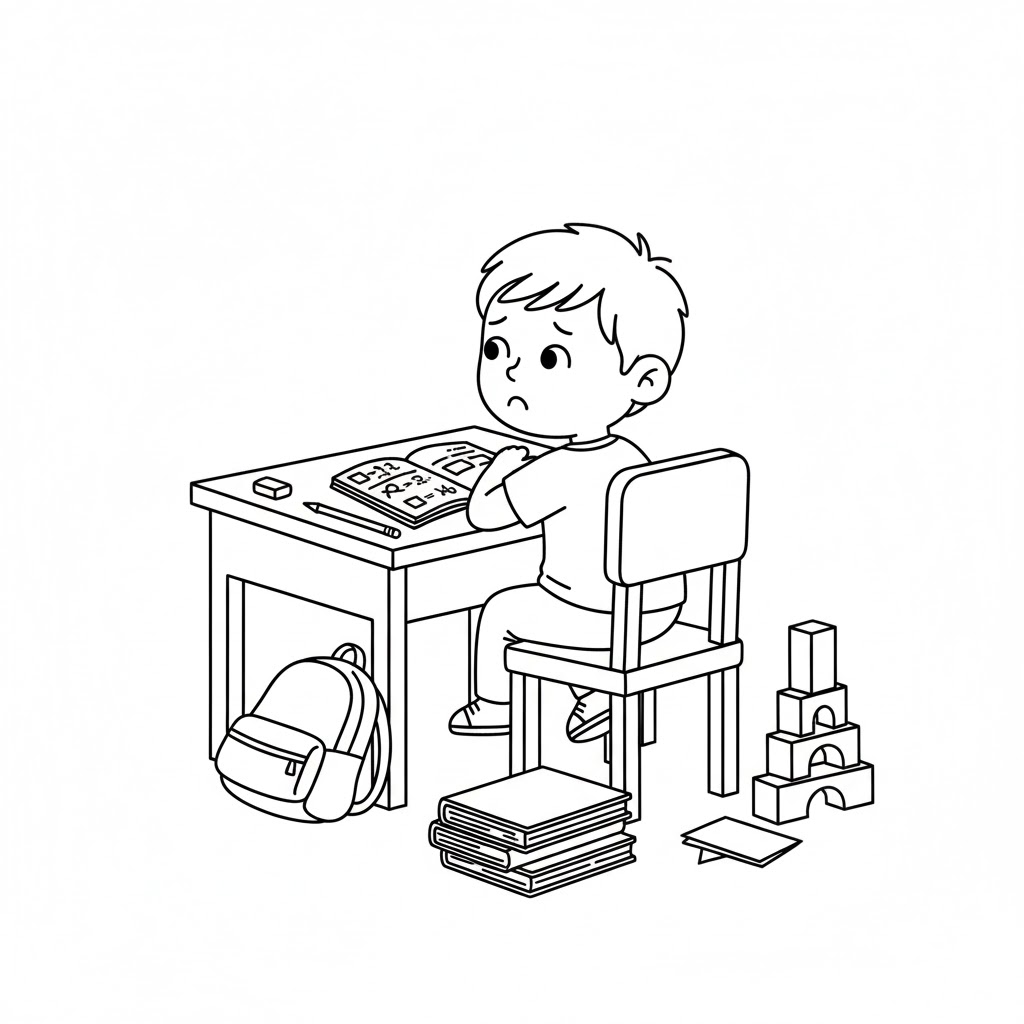
Meltdowns during dressing, bathing, or grooming. Struggles with transitions (moving from one activity to another). Gets easily overwhelmed in crowded or new environments.

At Jeevaniyam, we know that sounds, textures, or lights can feel overwhelming. The Jeevashakthi approach combines sensory integration therapy, Ayurveda to calm the nervous system, yoga and breathing for regulation, AI-based tracking for sensory responses, and family training. Together, we help children adapt to the world with confidence and comfort.
 Sensory Integration Therapy
Structured activities to improve processing and modulation of sensory input (touch, sound, movement, taste, sight, and proprioception).
Occupational Therapy
Targeted exercises to enhance motor planning, coordination, and adaptive responses to sensory stimuli.
Physiotherapy
Activities to improve balance, posture, and motor coordination in conjunction with sensory integration.
Speech & Language Therapy
Support for children whose sensory sensitivities affect oral-motor skills, speech, or feeding.
Cognitive-Behavioral Therapy (CBT)
Strategies to manage anxiety, emotional responses, and frustration triggered by sensory overload.
Music & Rhythm Therapy
Using rhythm, sound, and music to improve auditory processing and self-regulation.
Yoga & Relaxation Techniques
Mindfulness, deep breathing, and movement exercises to promote calmness, body awareness, and focus.
Adaptive Physical Education / Movement Therapy
Activities designed to safely expose children to sensory stimuli and improve coordination and confidence.
Family Training & Support
Practical strategies for home and school, sensory-friendly routines, and environmental adaptations.
Long-Term Care
Ongoing support to help children adapt to sensory demands, improve self-regulation, and participate confidently in daily life, school, and social activities.
Modern Medicine Integration
Comprehensive assessments for sensory challenges, including evaluation of neurological, developmental, and co-occurring conditions.
Ayurveda
Calming and balancing therapies to regulate the nervous system, reduce anxiety, and improve attention.

SPD occurs when the brain struggles to process sensory input like touch, sound, sight, taste, smell, or movement. Signs include over- or under-reacting to stimuli, avoiding certain textures, being overly sensitive to sounds, or seeking excessive movement.
SPD is linked to differences in how the nervous system processes sensory information. It is not caused by laziness or poor parenting. Genetics, early brain development, or prenatal factors may contribute.
Children with SPD may struggle with grooming, dressing, eating, handwriting, playground activities, school participation, and social interaction. They can have meltdowns during everyday routines or feel overwhelmed in noisy or crowded environments.
A multidisciplinary approach works best: sensory integration therapy, occupational therapy, physiotherapy, yoga, cognitive-behavioral therapy, music therapy, adaptive physical education, and speech therapy for oral-motor challenges. Family support and environmental adaptations are also crucial.
Jeevaniyam’s Jeevashakthi approach combines medical assessment, Ayurveda, sensory integration therapy, yoga and relaxation techniques, AI-based tracking, and family training. We focus on helping children adapt to sensory challenges, improve self-regulation, and participate confidently in school, home, and social activities.


 About Us