



"I always felt like people would leave me. One moment I would be loving and attached, the next I would be angry and pushing them away. My emotions were so intense that even small arguments felt unbearable. I didn’t realize that my relationships, my moods, and even how I saw myself were being shaped by something deeper — a personality disorder."
Personality disorders are not simply “difficult personalities.” They are long-standing patterns of thinking, feeling, and behaving that create distress in daily life, work, and relationships. These conditions often begin in adolescence or early adulthood and can make individuals feel misunderstood, unstable, or disconnected. With the right care, individuals can learn healthier ways to manage emotions, build relationships, and develop a stable sense of self.
Borderline Personality Disorder (BPD)
Marked by intense emotions, unstable relationships, fear of abandonment, impulsive behaviors, and difficulty with self-identity.
Antisocial Personality Disorder (ASPD)
A pattern of disregard for others’ rights, impulsivity, manipulation, and frequent conflicts with rules or laws.
Narcissistic Personality Disorder (NPD)
Characterized by a strong need for admiration, fragile self-esteem, and difficulty empathizing with others.
Avoidant Personality Disorder
Involves social withdrawal, low self-esteem, and persistent fear of rejection or criticism, despite a desire for connection.
Obsessive-Compulsive Personality Disorder (OCPD)
Defined by perfectionism, rigidity, and excessive preoccupation with rules, order, and control, often at the expense of flexibility.
Dependent Personality Disorder
A pattern of excessive reliance on others for decision-making, fear of separation, and difficulty functioning independently.
 Signs to Watch For
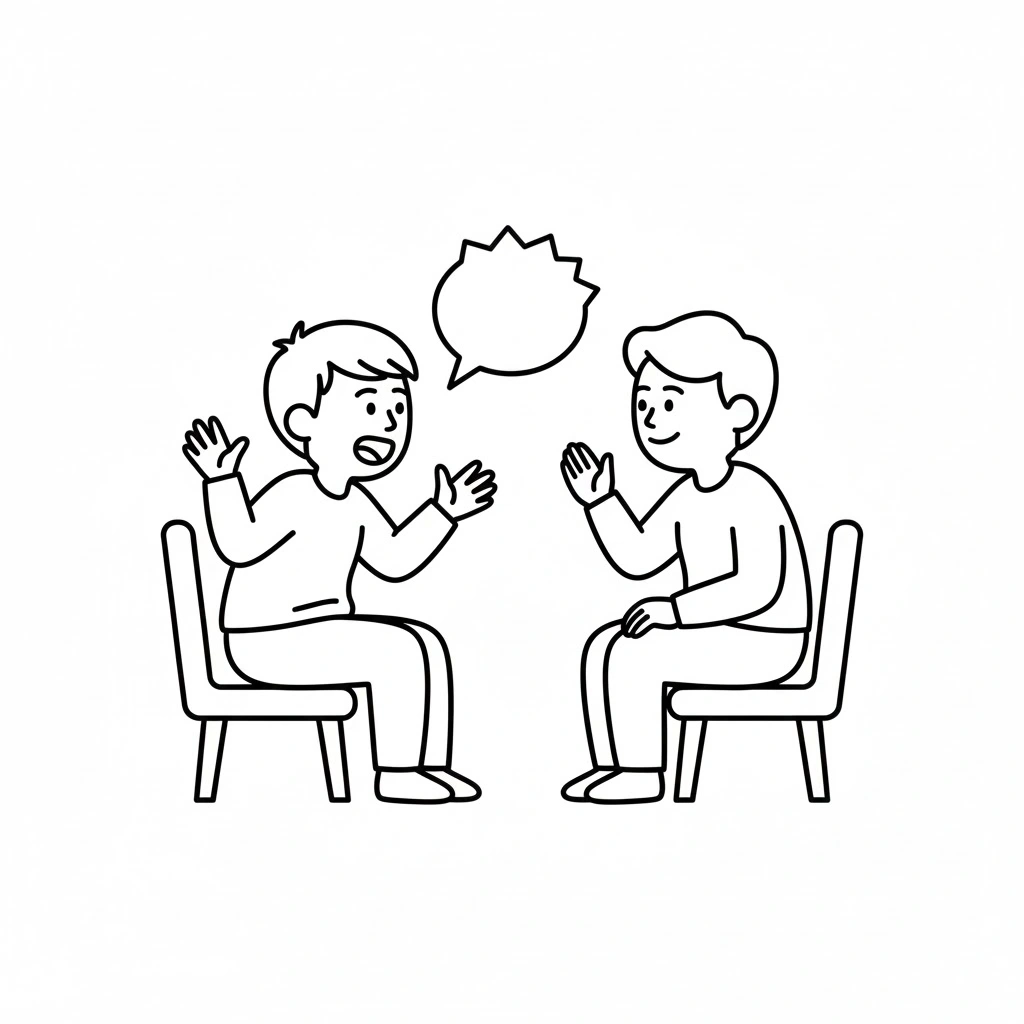
Unstable or stormy relationships
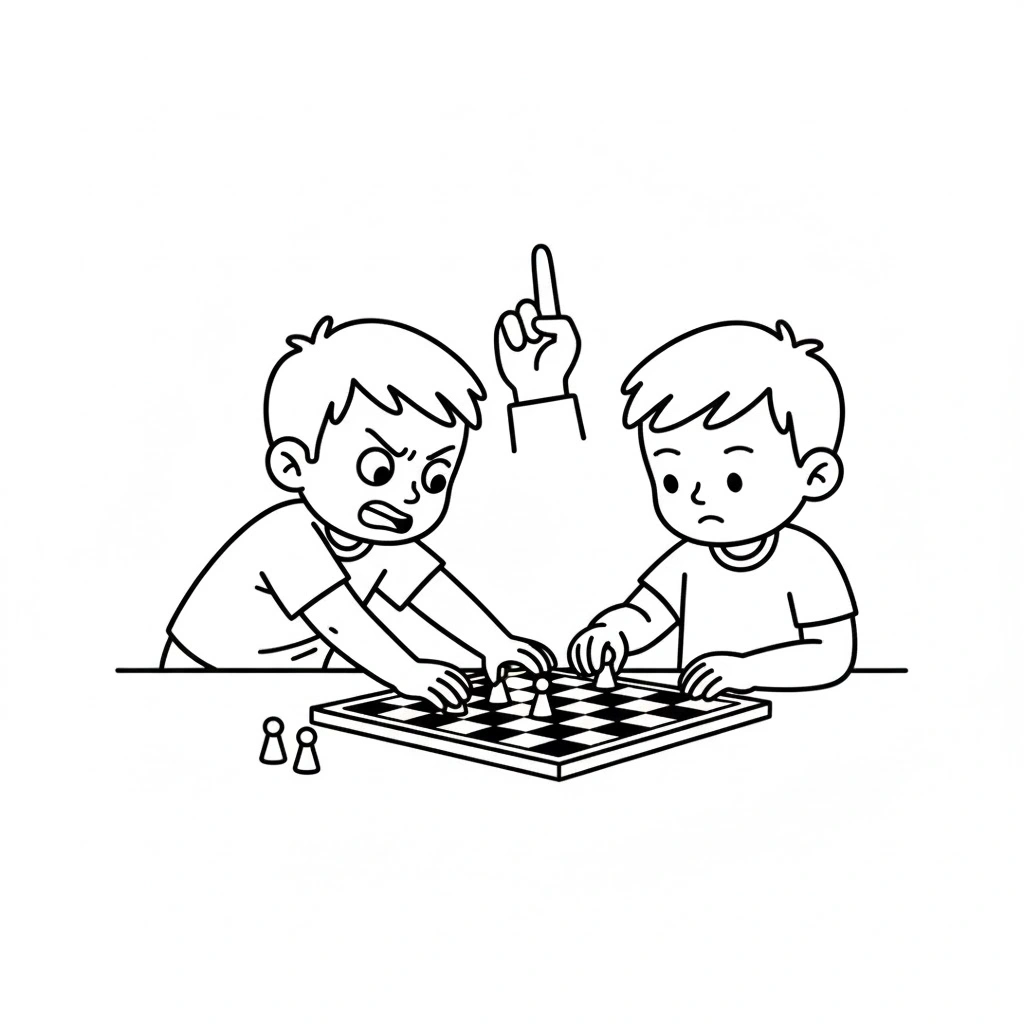
Extreme reactions to rejection or criticism
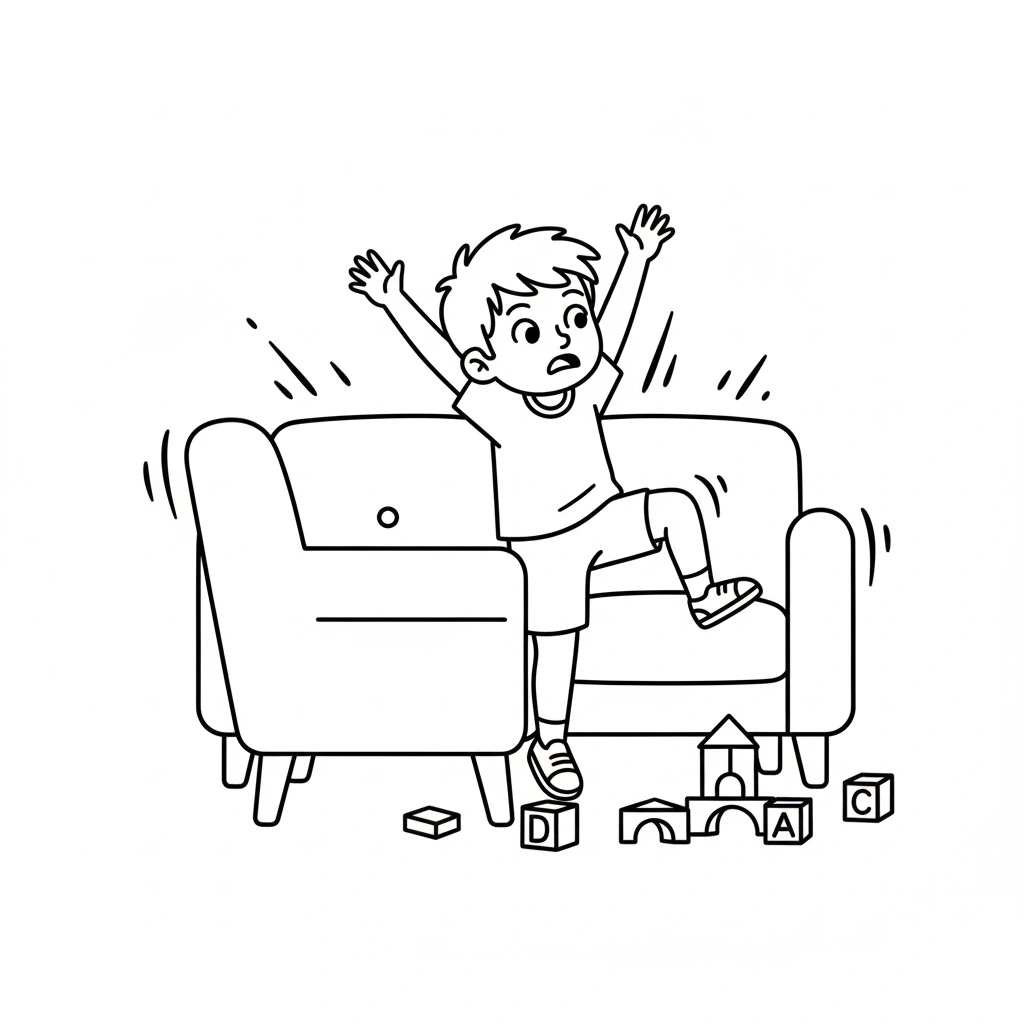
Intense mood swings and difficulty controlling emotions
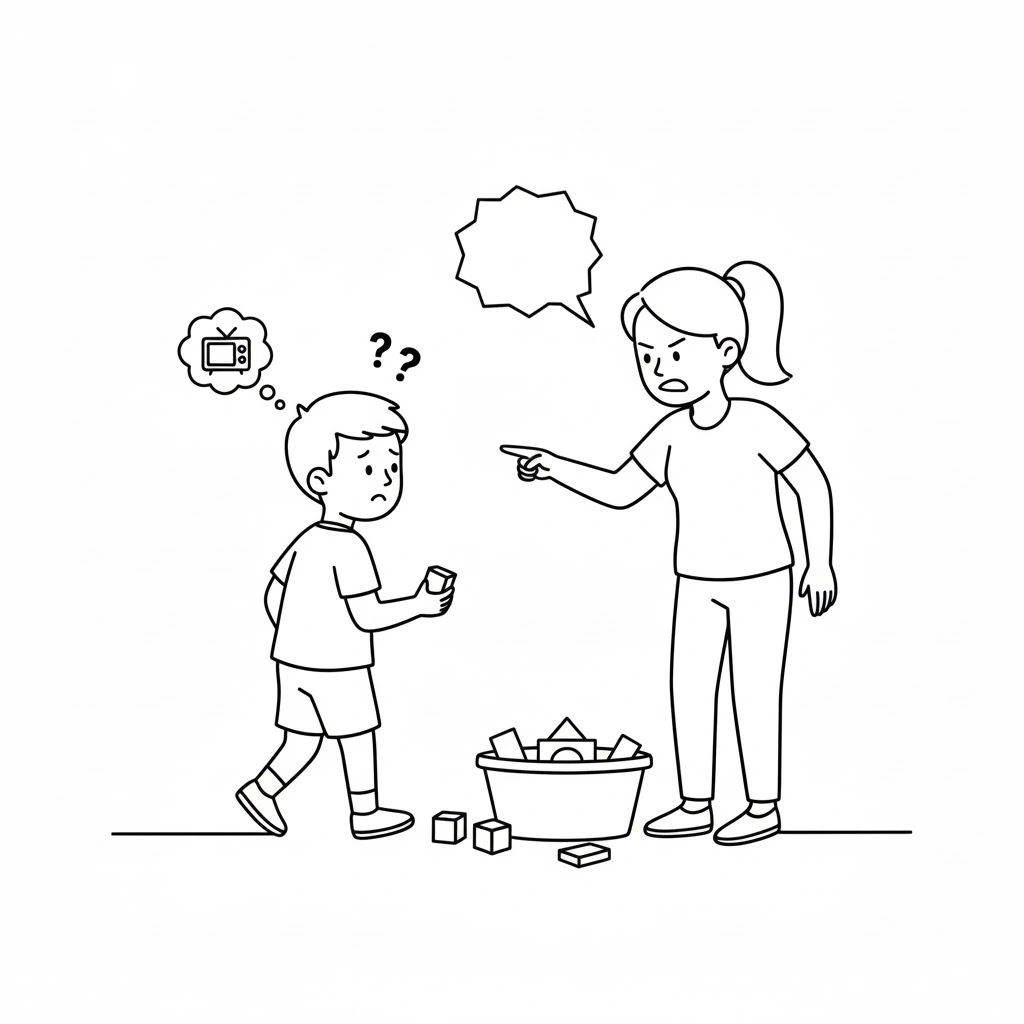
Distorted or shifting self-image
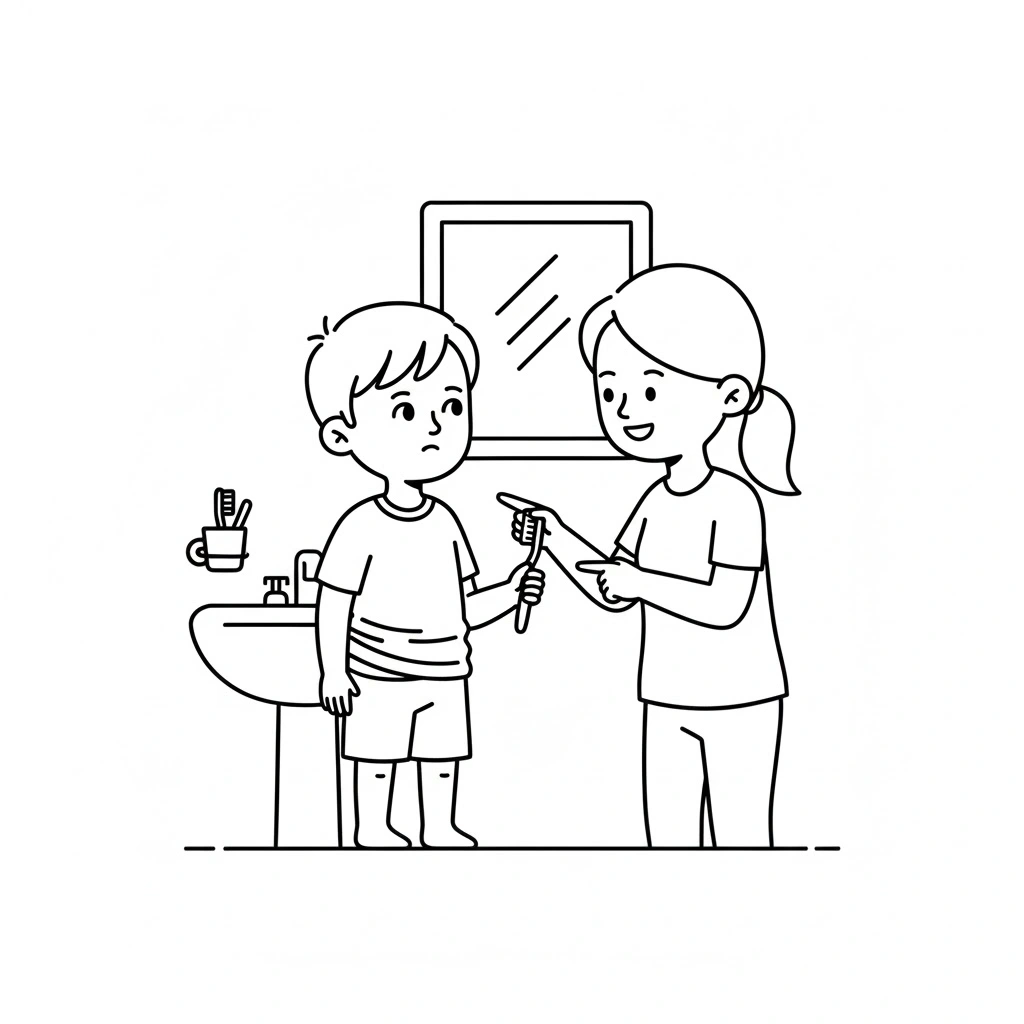
Impulsivity or self-destructive behaviors
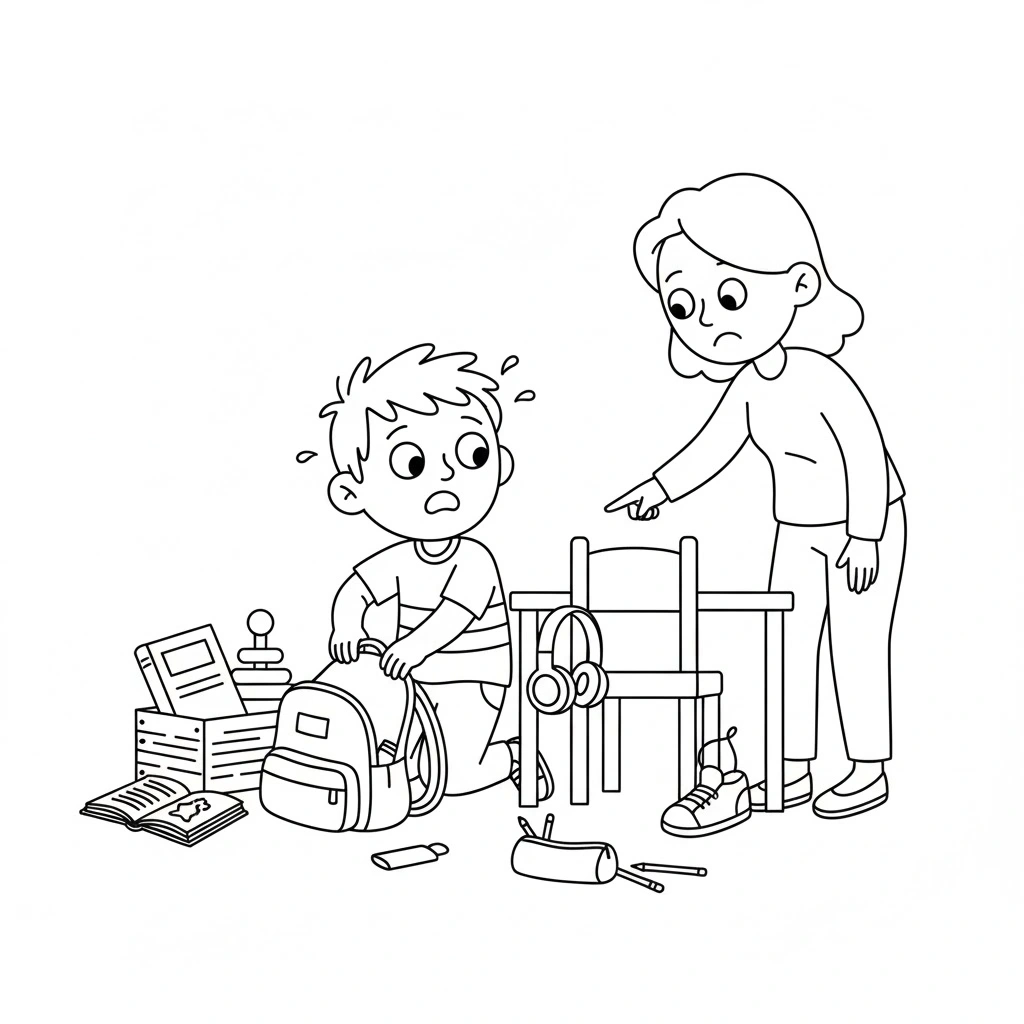
Long-term patterns of withdrawal, rigidity, or dependency

At Jeevaniyam, we know personality disorders are often misunderstood. They are not character flaws — they are complex conditions shaped by biology, environment, and life experiences. Our Jeevashakthi approach blends modern psychiatry, psychology, Ayurveda, and holistic care to bring lasting change.
 Modern Psychological Care
Dialectical Behavior Therapy (DBT), Schema Therapy, CBT, and supportive counseling to help regulate emotions and rebuild relationships.
Ayurveda & Lifestyle Healing
Herbal remedies, diet, and daily routines to calm the nervous system and restore balance.
Holistic Therapies
Yoga, mindfulness, music therapy, and expressive practices to encourage self-awareness and grounding.
Family & Partner Support
Educating loved ones about healthy boundaries, communication, and effective support strategies.
AI-Centric Tools
Tracking emotional patterns, identifying triggers, and providing personalized progress insights.

They are enduring patterns of thinking and behaving that differ from cultural expectations and cause distress or difficulties in relationships.
Yes, they affect about 10–15% of people.
Yes, therapy helps individuals understand and manage patterns, though change takes time.
Not usually. Some may have difficulties in relationships, but most are not dangerous.
They are long-term, but symptoms can improve with support and self-awareness.


 About Us