



"I always noticed my daughter was a little different with movements. While other kids ran, climbed, and tied their shoelaces with ease, she would stumble, struggle to hold a pencil, or avoid playground games. At first, I thought she was just being clumsy — but the tears in her eyes when she couldn’t keep up with her friends told me it was more. That’s when I learned it wasn’t laziness or lack of effort… it was Dyspraxia."
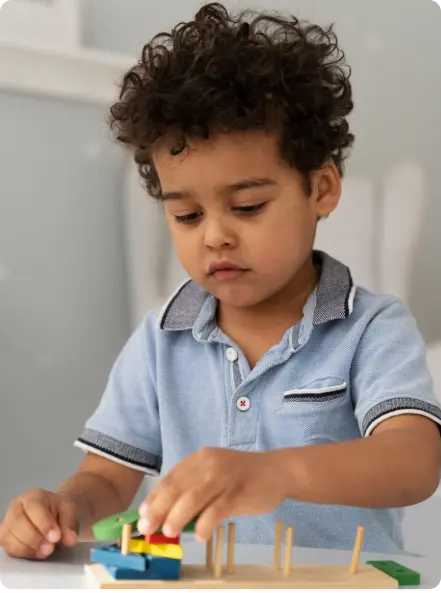

Clumsiness is not laziness — it’s a challenge of coordination. With the Jeevashakthi approach, we offer occupational and physiotherapy, Ayurveda for nervous system balance, yoga for motor planning, and sensory-based activities guided by technology. We focus on building confidence in everyday tasks and play, helping children participate fully in school and social life.
 Occupational Therapy
Motor planning, coordination, fine motor skills, handwriting, and daily living activities.
Physiotherapy
Posture correction, balance, strength, coordination, and gross motor development.
Speech & Language Therapy
Oral motor skills, articulation, and speech clarity for children with dyspraxia affecting speech.
Sensory Integration Therapy
Helps children process sensory input, improving coordination, attention, and body awareness.
Cognitive-Motor Training
Exercises combining thinking and movement to improve sequencing, timing, and motor planning.
Adaptive Physical Education / Sports Therapy
Tailored physical activities to improve coordination, endurance, and confidence.
Yoga & Movement Therapy
Enhancing body awareness, motor control, flexibility, and focus.
Music & Rhythm Therapy
Using rhythm and music to improve timing, coordination, and motor planning.
Behavioral / Emotional Support
Counseling to manage frustration, anxiety, or low confidence due to motor difficulties.
Modern Medicine Integration
Medical evaluation and guidance for coordination difficulties, comorbid conditions, and overall developmental assessment.
Ayurveda
Therapies to improve motor coordination, balance, focus, and sensory integration.
Family Training & Support
Guidance for caregivers to promote independence, safe practice of motor tasks, and home-based exercises.
Long-Term Care
Continuous support for motor, functional, and emotional development to enhance daily living, school participation, and social inclusion.
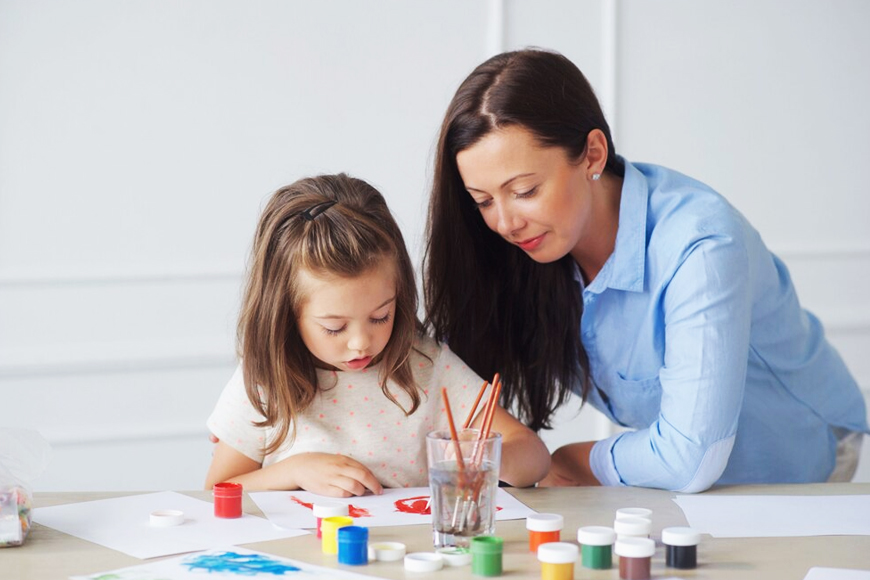
Signs often appear in early childhood, such as delayed crawling, walking, or difficulty with tasks like holding a spoon, tying shoelaces, or playing simple games. Early observation and assessment help in timely intervention.
No. Dyspraxia is a neurological condition affecting motor planning and coordination. Children are not lazy; their brains struggle to plan and execute movements efficiently compared to peers.
Dyspraxia is not progressive. With appropriate therapy and practice, children can improve motor skills, independence, and confidence. Challenges may remain, but targeted support helps manage them effectively.
A multidisciplinary approach is most effective: occupational therapy, physiotherapy, sensory integration therapy, cognitive-motor training, speech therapy, adaptive physical education, yoga, and music therapy. Emotional support and family guidance are also essential.
Motor difficulties can make school tasks, physical activities, and self-care challenging, leading to frustration or low self-esteem. Emotional support, praise for effort, and consistent practice help children stay motivated and confident.


 About Us