


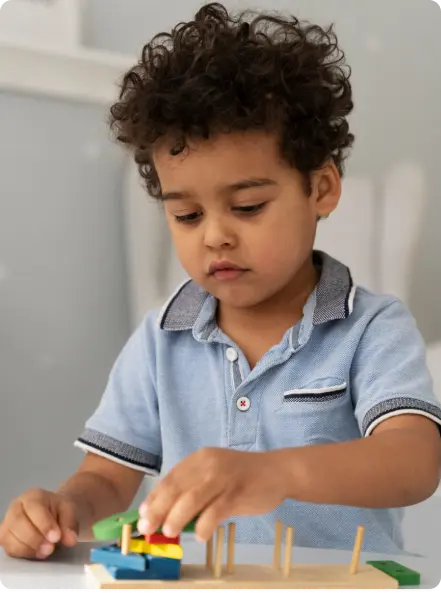
"When my child was diagnosed with a genetic condition, my heart sank — not because I loved them any less, but because I knew their journey would be different. These are conditions present from birth, often caused by changes in genes or chromosomes. Some are more common, like Down Syndrome, Fragile X Syndrome, or Cystic Fibrosis, while others are rare, such as Prader-Willi Syndrome, Rett Syndrome, or Williams Syndrome. Each condition affects children differently — some may have delays in learning or speech, some may face health challenges, and others may struggle with behavior or growth. As parents, we carry both the fear of the unknown and the hope that with love, therapy, and support, our child can still thrive in their own beautiful way."
 Common Genetic Conditions
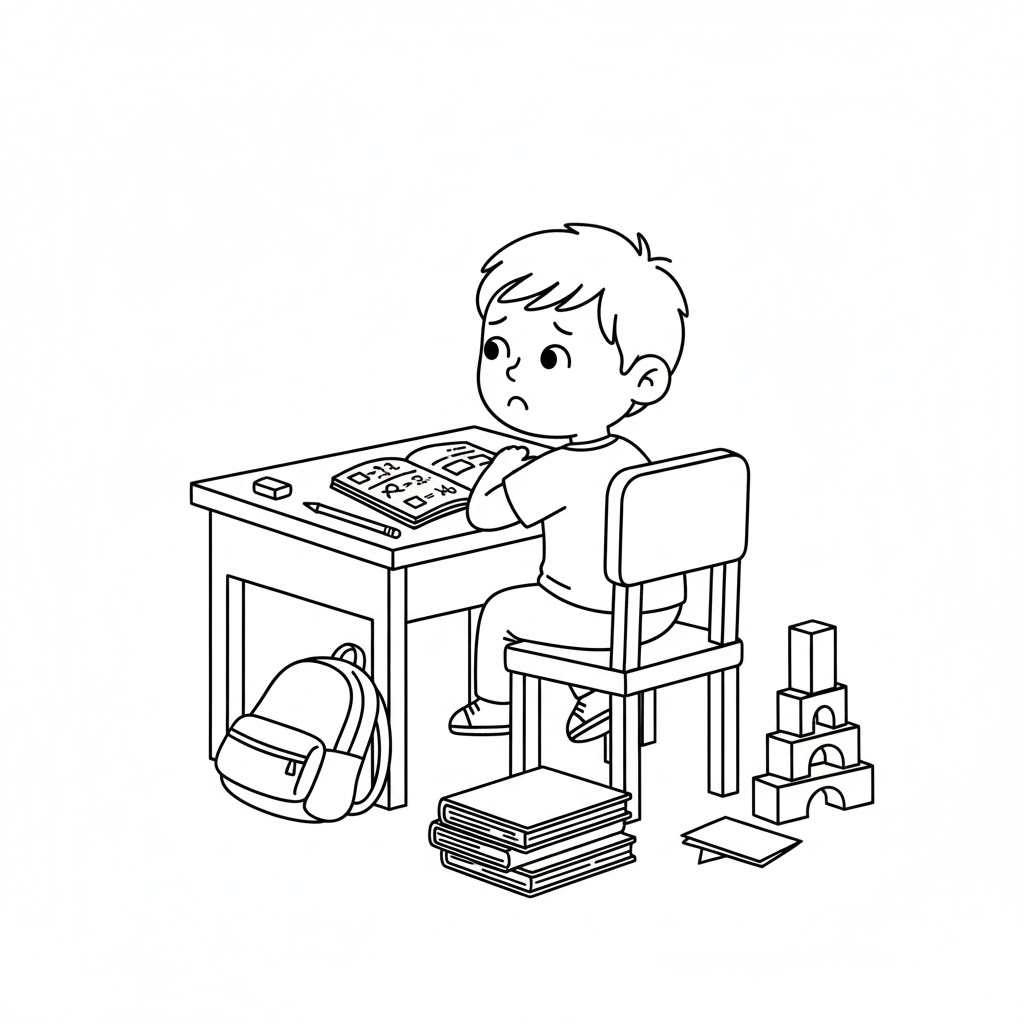
Flattened facial features, upward slanting eyes, small ears. Slower milestones (sitting, walking, talking). Low muscle tone (feels “floppy” as a baby). Learning difficulties, but strong social and emotional skills.
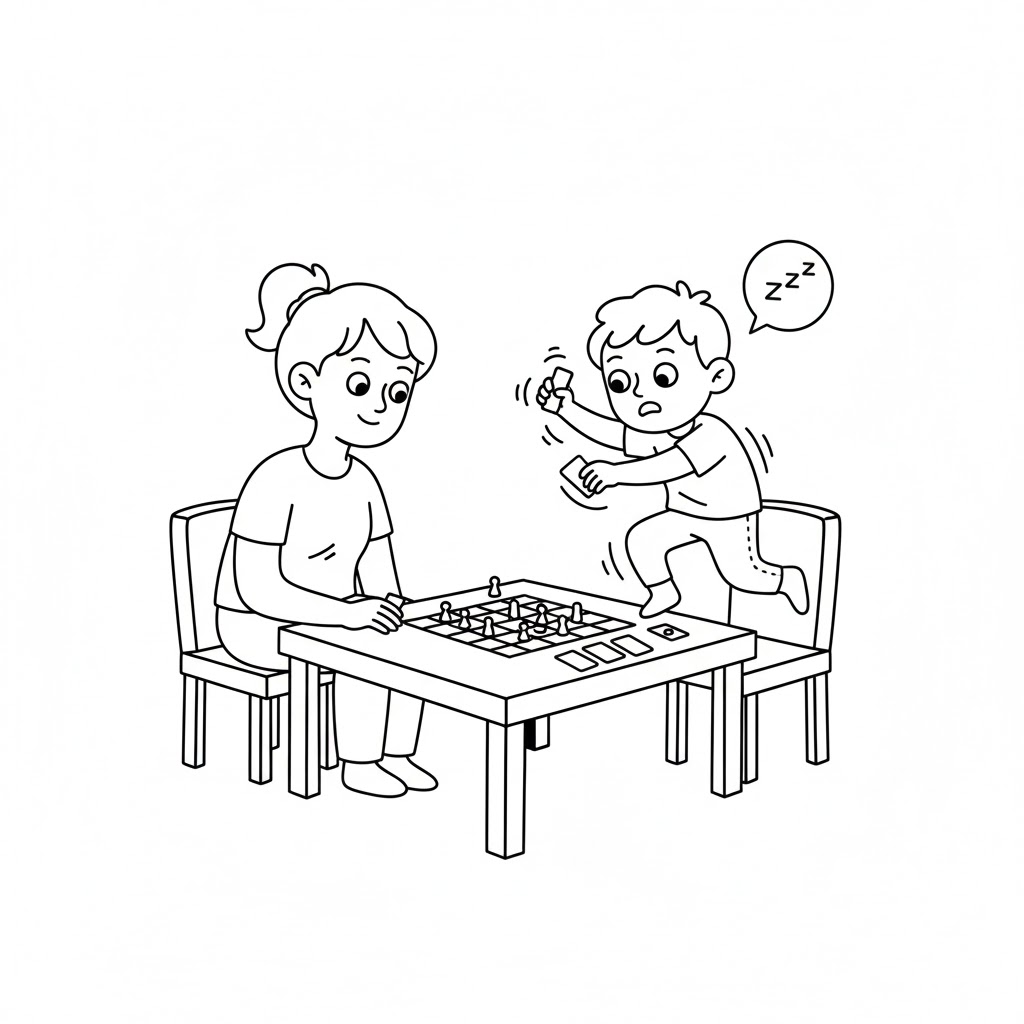
Delays in speech and language development. Hyperactivity, poor eye contact, or social anxiety. Repetitive movements (hand-flapping, rocking). Larger ears, long face, flexible joints.
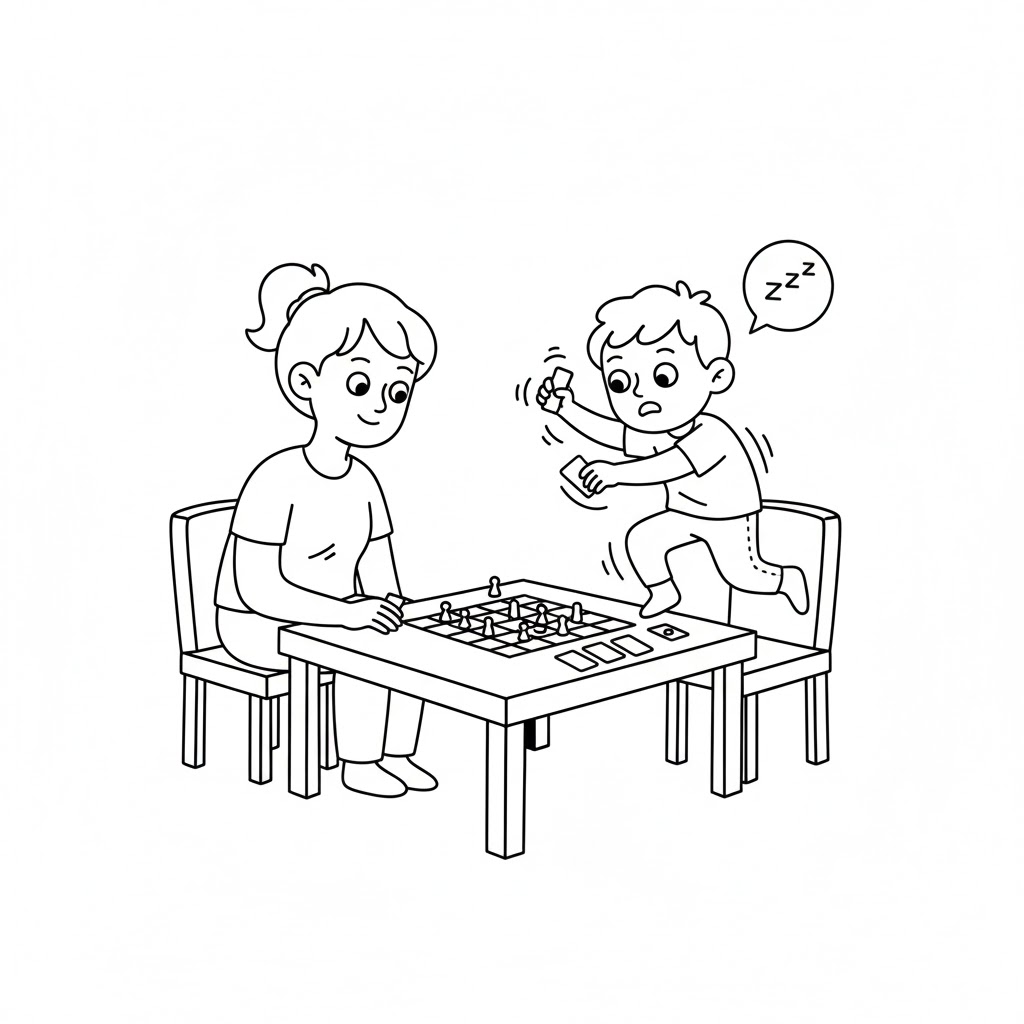
Frequent cough or lung infections. Salty-tasting skin noticed when kissed. Difficulty gaining weight despite good appetite. Digestive issues (greasy, bulky stools).
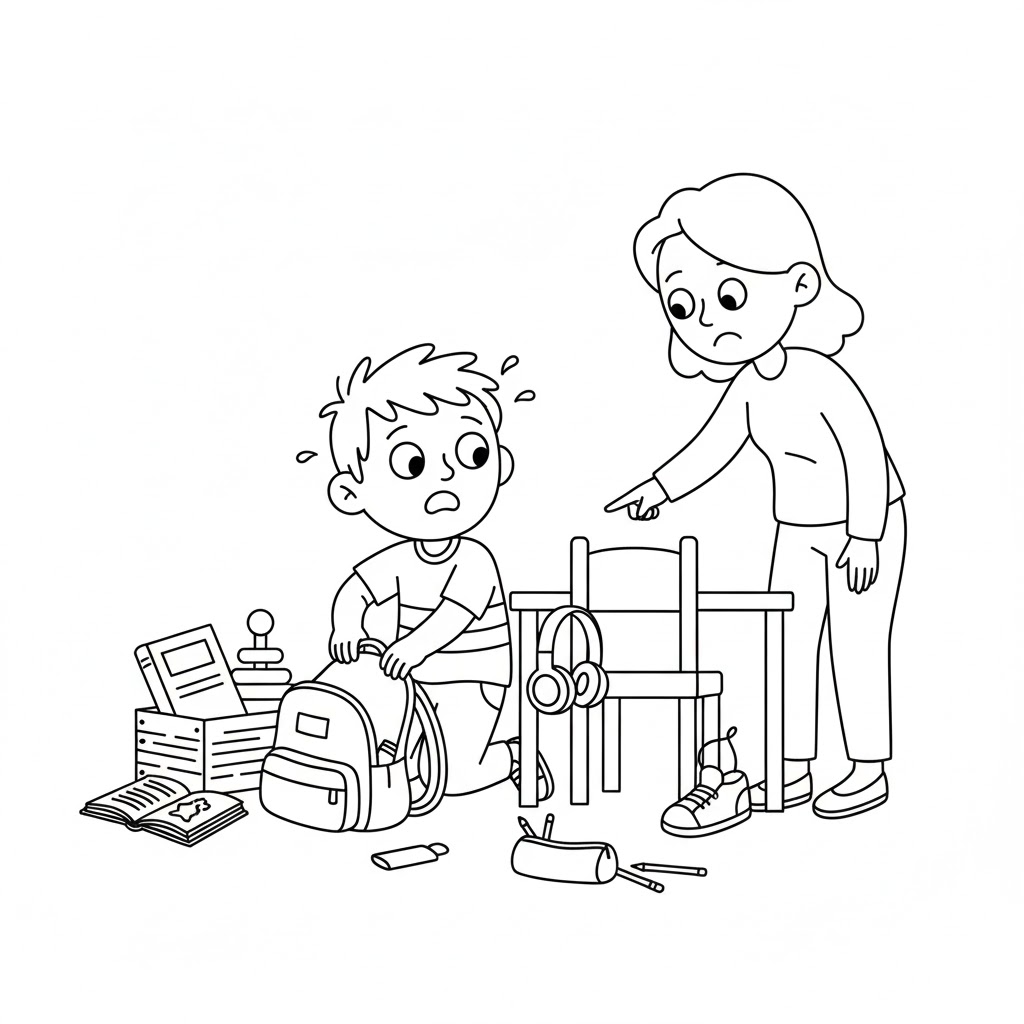
Poor feeding and weak muscle tone in infancy. Constant hunger and rapid weight gain after toddler years. Short stature, small hands and feet. Learning difficulties, temper outbursts.
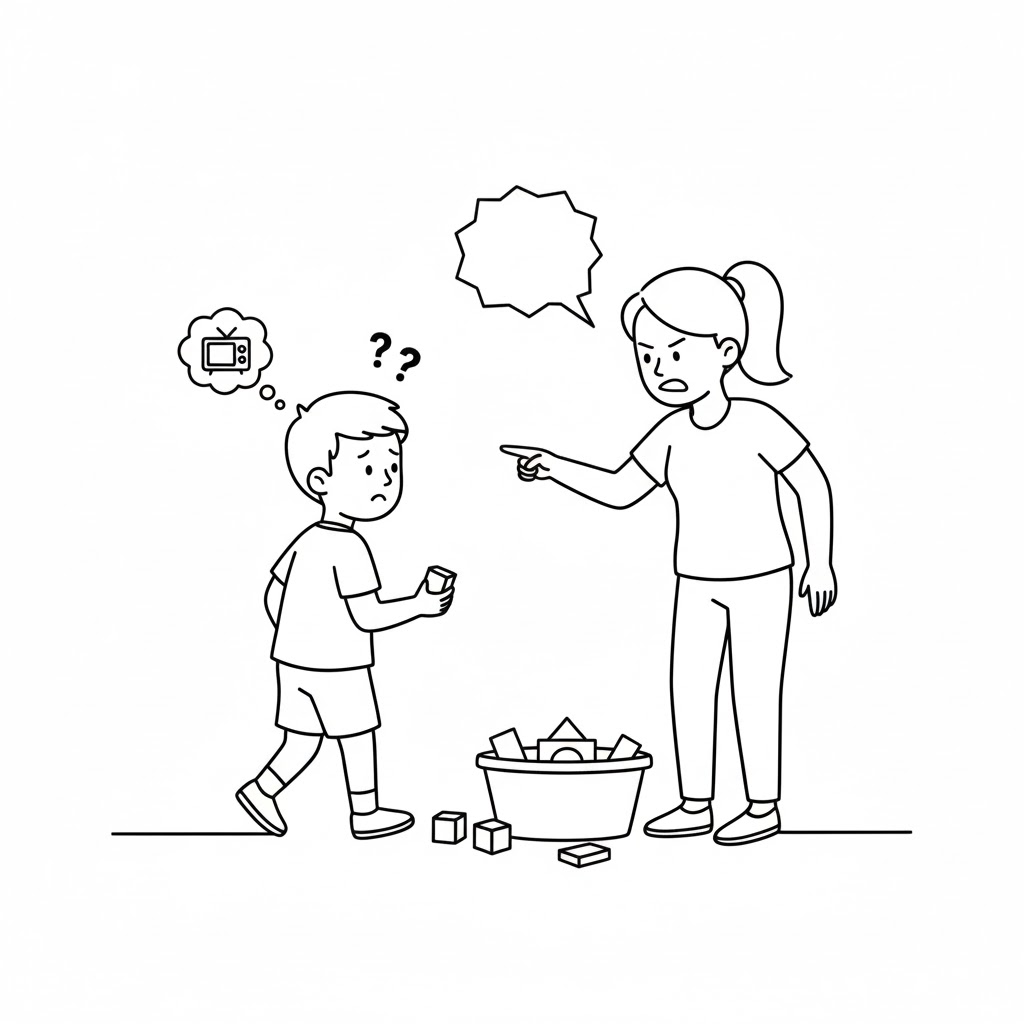
Normal early growth, then loss of speech and motor skills (between 6–18 months). Repetitive hand movements (wringing, clapping). Trouble walking or loss of coordination. Breathing irregularities or seizures.
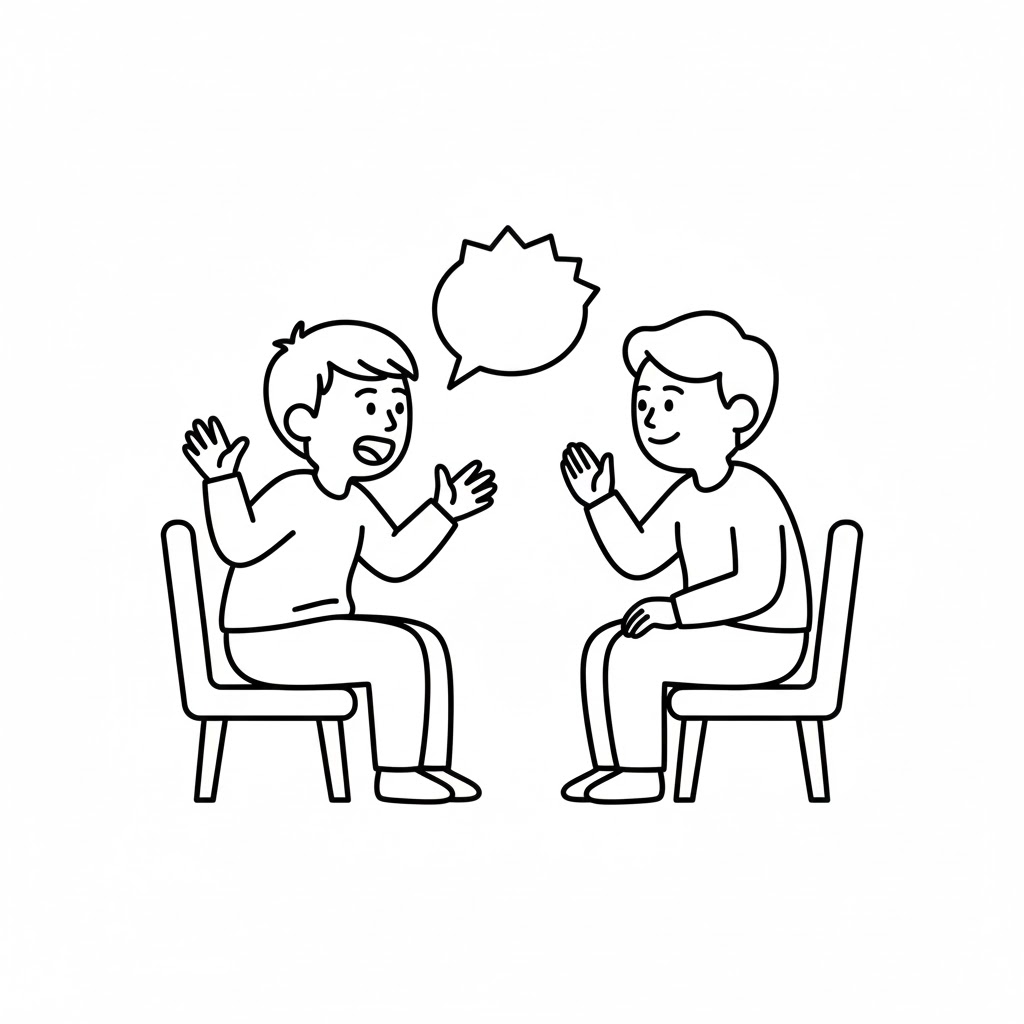
Wide mouth, full lips, small chin, puffiness around eyes. Strong social personality — very friendly and talkative. Delays in motor and language milestones. Sensitivity to sounds and possible heart problems.
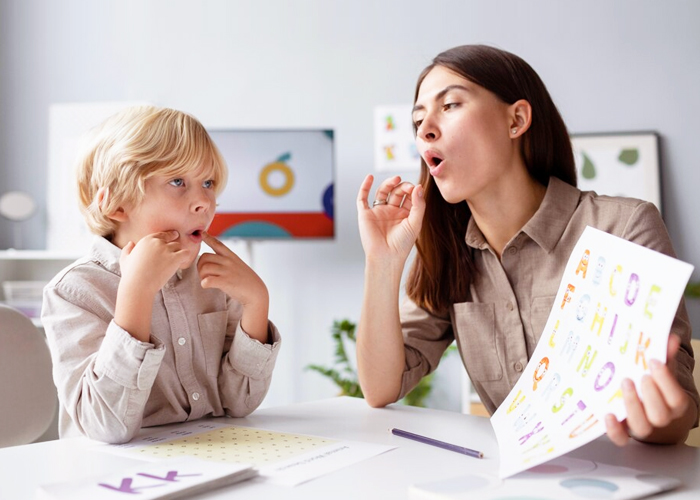
Every child’s genetic journey is unique, but no family should face it alone. At Jeevaniyam, our Jeevashakthi model combines early intervention therapies, Ayurveda to support immunity and development, modern medicine for medical conditions, AI tools for tracking milestones, and emotional support for families. We focus on strengths, creating pathways for children to thrive with dignity.
 Early Intervention Programs
Structured therapies to support developmental milestones, sensory-motor integration, communication, and adaptive skills.
Physiotherapy
Improving gross motor function, posture, balance, strength, and mobility.
Occupational Therapy
Supporting fine motor skills, daily living activities, hand-eye coordination, and adaptive equipment training.
Speech & Language Therapy
Enhancing expressive and receptive language, communication, feeding, and swallowing skills.
Cognitive Stimulation / Developmental Therapy
Exercises to support attention, memory, problem-solving, and learning.
Sensory Integration Therapy
Helping children process sensory information efficiently, particularly if genetic conditions affect sensory processing.
Behavioral Therapy / Emotional Support
Supporting emotional regulation, adaptive behavior, coping strategies, and social interaction.
AI-Assisted Rehabilitation
Interactive tools, virtual reality programs, and technology-driven exercises to personalize therapy, track progress, and support developmental goals.
Adaptive Equipment & Assistive Technology
Customized mobility aids, communication devices, and adaptive tools to promote independence.
Nutrition & Lifestyle Guidance
Personalized dietary and lifestyle plans to support growth, immunity, and overall health.
Parent-Mediated Training
Coaching caregivers to implement therapy strategies at home, manage medical needs, and support developmental progress.
School and Community Support
Collaboration with teachers, individualized education plans, and community-based programs for inclusion and learning support.
Modern Medicine Integration
Genetic counseling, medical monitoring, early diagnosis, management of comorbidities, and coordination with pediatric specialists for long-term care.
Ayurveda
Supportive therapies to enhance growth, immunity, nervous system balance, digestion, and overall wellness.
Family Training & Support
Practical guidance on long-term care, therapy reinforcement, medication adherence, emergency planning, and emotional wellbeing of caregivers.
Long-Term Care
Continuous multidisciplinary support across developmental stages to maximize functional independence, learning, communication, social participation, and quality of life.
Genetic conditions can be diagnosed through medical evaluations, genetic testing, and observation of developmental delays, physical features, or health concerns. Early signs may include delayed milestones, learning or speech difficulties, unusual physical characteristics, frequent health issues, or behavioral differences.
A multidisciplinary approach is recommended. This includes early intervention programs, physiotherapy, occupational therapy, speech and language therapy, cognitive stimulation, sensory integration therapy, behavioral therapy, and AI-assisted rehabilitation to support motor, communication, cognitive, and emotional development.
Using adaptive equipment, assistive technology, personalized nutrition plans, structured routines, and parent-mediated training at home can help children build functional skills. Collaboration with teachers and community programs also promotes independence and social inclusion.
Jeevaniyam offers a holistic Jeevashakthi model, integrating medical care, Ayurveda, therapies, AI-assisted rehabilitation, and family training. We guide families in managing health needs, reinforcing therapy at home, tracking progress, and supporting emotional wellbeing.
Yes. With early intervention, consistent therapies, supportive environments, and family involvement, children can develop skills, participate socially and academically, and lead meaningful, fulfilling lives. The focus is on strengths and abilities rather than limitations.


 About Us