



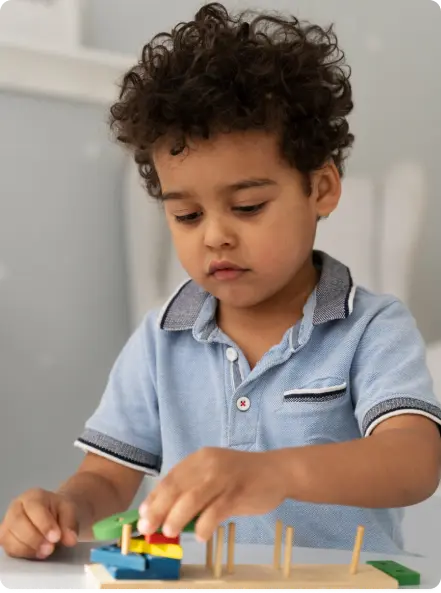
“I remember when my little boy was around two years old. While other children his age were calling out “mama” and “papa,” my son stayed quiet. He loved lining up his toy cars more than playing with me. At first, I thought, maybe he’s just shy, maybe he’ll talk when he’s ready.
But then I noticed something. He wouldn’t look into my eyes when I called his name. Even when I hugged him, it sometimes felt like he was far away in his own world. Loud noises would upset him, and small changes in routine could bring big meltdowns.
That’s when a doctor explained to me: This is autism.”
Autism isn’t a disease. It’s not something to “cure.” It’s a different way of seeing and experiencing the world. My child isn’t broken; he just processes things differently. He may need extra support with communication, social interaction, and managing his emotions, but he also has strengths that make him beautifully unique.
Autism means my child might struggle to express love in words, but he shows it in his own special ways through his smile, his laughter, or the way he carefully places his favourite toy in my hand.
As a parent, I’ve learned that autism is not the end of a dream it’s the beginning of a new one. It’s a journey of patience, acceptance, and celebrating small victories that mean the world.
 Red Flags of Autism in Infants and Toddlers
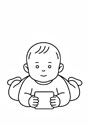
Smiles socially, makes eye contact, responds to caregiver’s face.
Limited or no big smiles, joyful expressions, or eye contact.
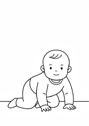
Responds to name, shows facial expressions, babbling starts.
No response to name, little or no sharing of smiles, limited babbling.
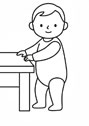
Uses gestures (like pointing, waving), responds to simple commands, says simple words.
No babbling, no gestures, no response when called, doesn’t imitate sounds/gestures.
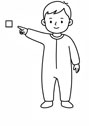
Points to show interest (joint attention), brings things to show caregiver.
No pointing to share or lack of showing objects to others.
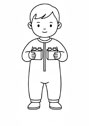
Two-word phrases (“more milk”), follows simple instructions, engages in pretend play.
No meaningful 2-word phrases (not just repeating), no pretend play, limited interest in others.
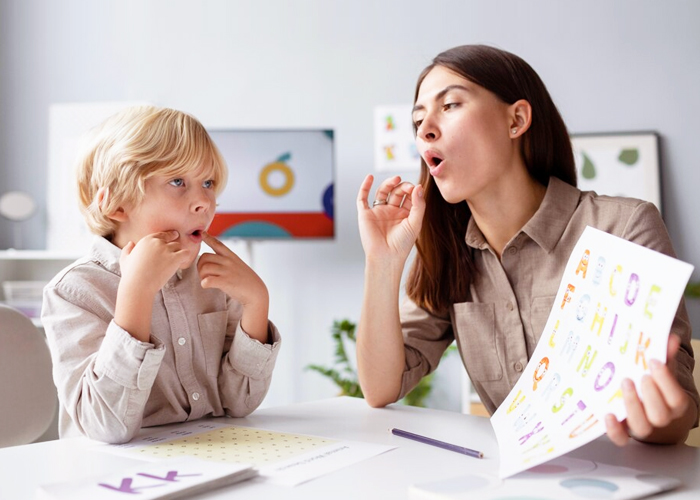
At Jeevaniyam, we believe every child has a unique rhythm of growth. Our Jeevashakthi approach blends the best of modern science, Ayurveda, therapies, AI tools, and yogic practices to nurture children with autism. Just like a rocket uses different fuels at different stages, we provide the right care at the right time, helping children progress step by step — even in areas parents once thought impossible.
 Speech & Language Therapy
For communication, expression, and language development.
Physiotherapy
To enhance motor skills and coordination.
Counseling & Psychotherapy
Emotional support for child and family well-being.
Special Education
Tailored learning strategies to support cognitive, academic, and adaptive skills.
Yoga
Calming practices to improve self-regulation, focus, and body awareness.
Music Therapy
Supports emotional connection, communication, and sensory engagement.
AI-Powered Tools
Interactive apps for communication, progress tracking, and therapy engagement.
Diet & Lifestyle Guidance
Personalized nutrition to enhance focus and reduce stress.
Behavior Therapy
To improve social interaction, manage behaviors, and support adaptability.
Occupational Therapy
Supports daily living skills, motor coordination, and independence.
Sensory Integration Therapy
Helps children process sensory information and improve sensory responses.
ADL (Activities of Daily Living) Training
Teaches essential self-care skills like dressing, grooming, and hygiene.
Family Training & Support
Practical strategies for parents to manage routines and behaviors.
Long-Term Care
Continuous support to help children thrive in school, social settings, and beyond.
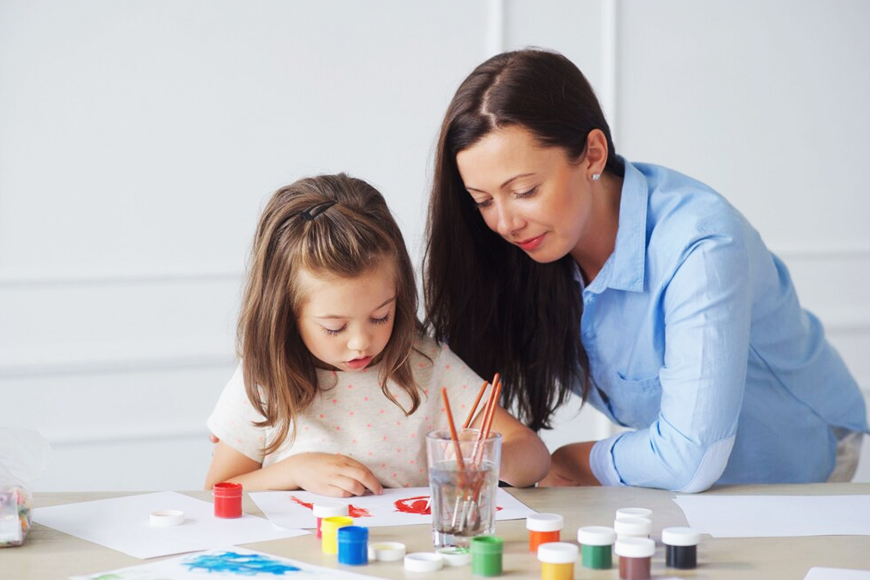
I noticed delays in my child’s social milestones, like limited eye contact, not responding to their name, or not using gestures. I also saw repetitive behaviors, intense focus on objects, or unusual reactions to sensory input. When I observed these signs, I knew I should consult a pediatrician or developmental specialist.
I learned that autism can sometimes be seen as early as 12–18 months, though subtle signs may appear even earlier. I kept track of my child’s communication, social interaction, and play milestones. Recognizing signs early helped me get timely support for my child.
I wondered if my child would ever be able to communicate or interact with others. With therapies like speech, language, and social skills training, I have seen my child gradually learn to express themselves and connect with people in meaningful ways.
I discovered that therapies such as behavior therapy, speech and language therapy, occupational therapy, physiotherapy, yoga, and music therapy can help my child improve communication, social skills, and independence. Combining different approaches has helped my child make progress in many areas.
I help my child by maintaining consistent routines, encouraging communication, and following strategies recommended by therapists. Being actively involved helps me reinforce what my child learns in therapy and boosts their confidence and emotional well-being.


 About Us