



“I remember watching other toddlers run across the park while my little one still struggled to take a few steps. First words didn’t come when I expected, and even simple skills took longer than I imagined. At times, my heart ached with worry, wondering if I had failed him.
But then I learned - his journey is not delayed, it’s just different. Every milestone, no matter how late, feels like a miracle worth celebrating.”
Significant delay (at least 2 standard deviations below the mean) in two or more developmental areas:
 Signs You May Notice at Home
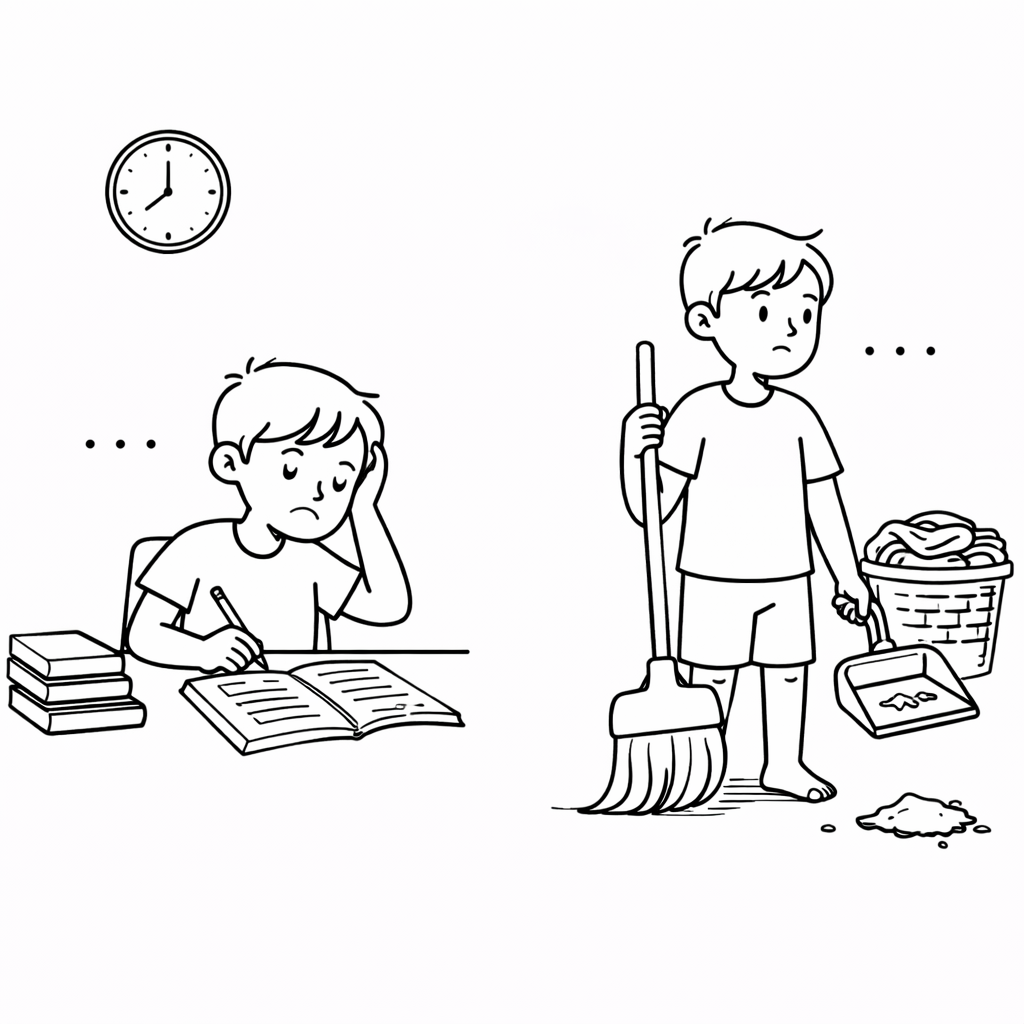
Your child starts sitting, standing, or walking much later than other children.
First words or sentences come late, or speech is very limited.
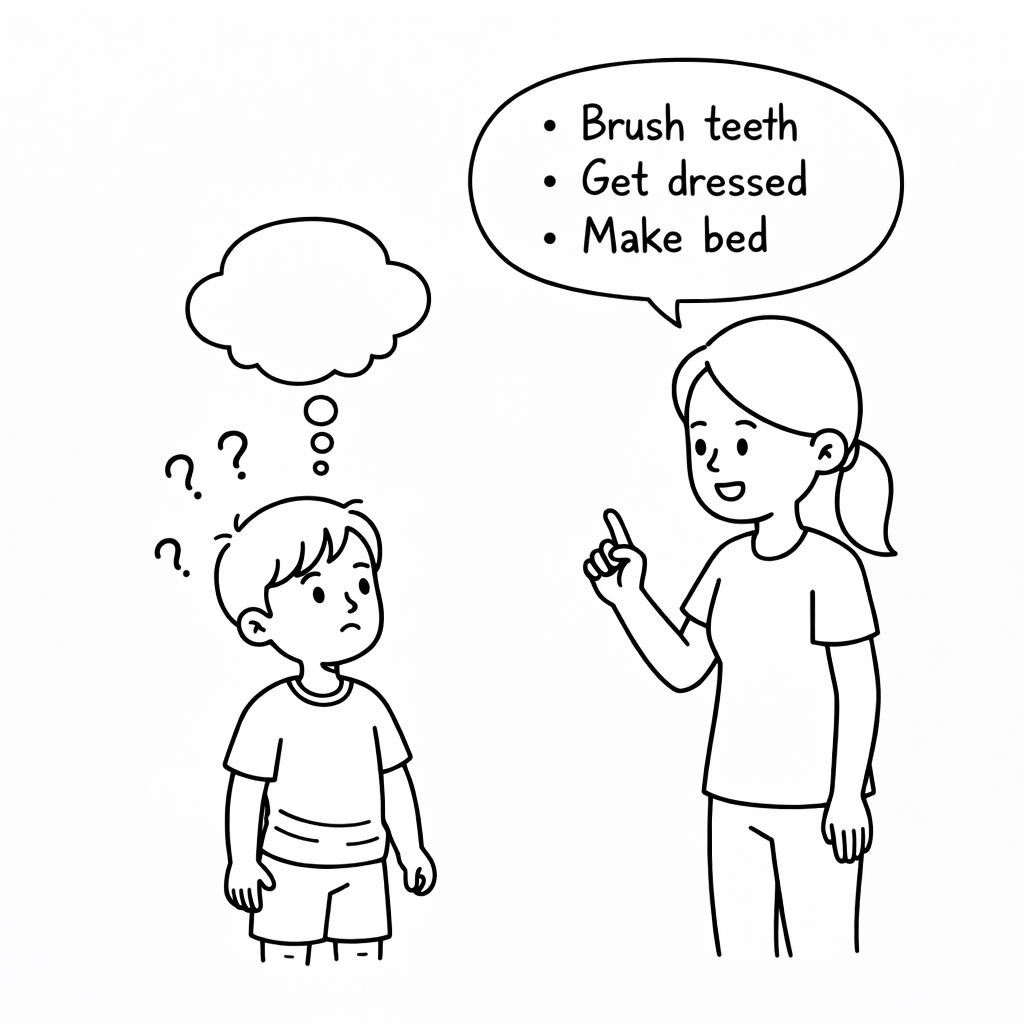
Struggles to understand instructions or learn new skills.
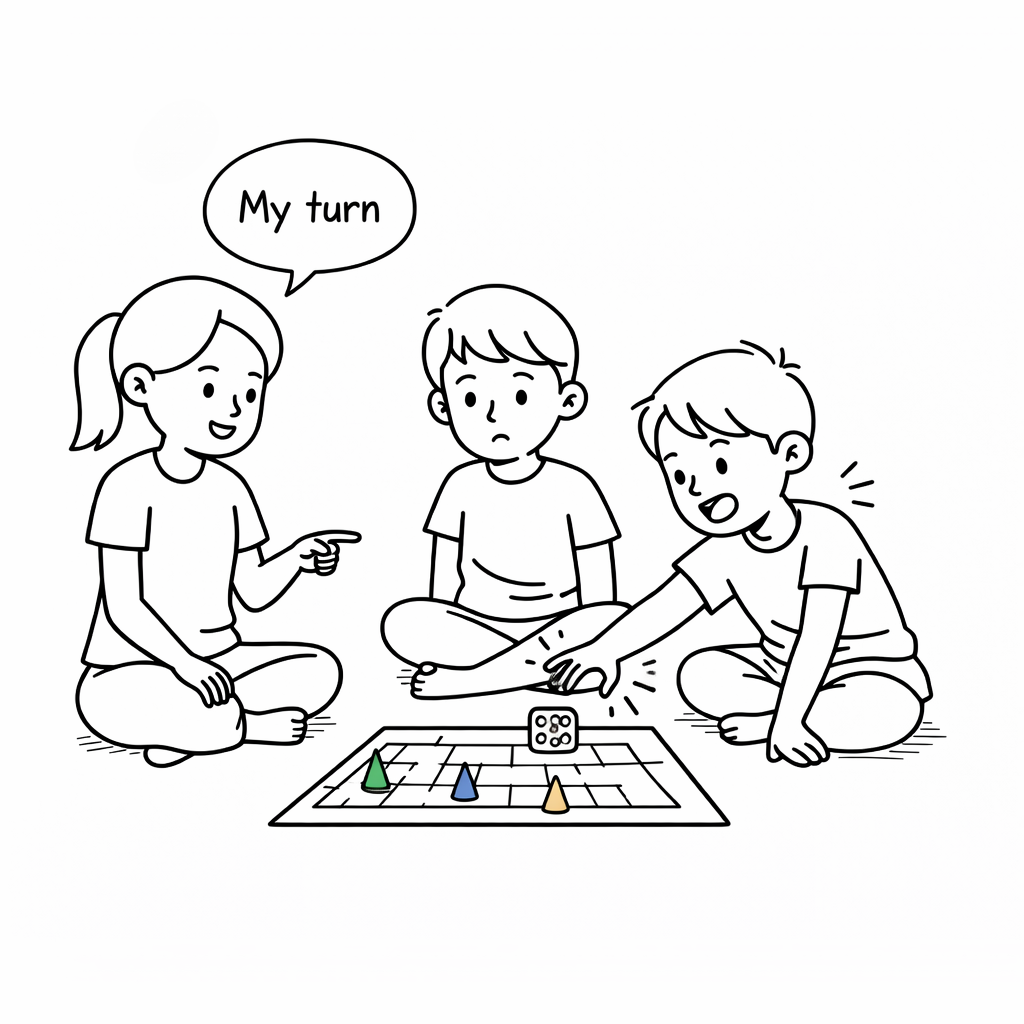
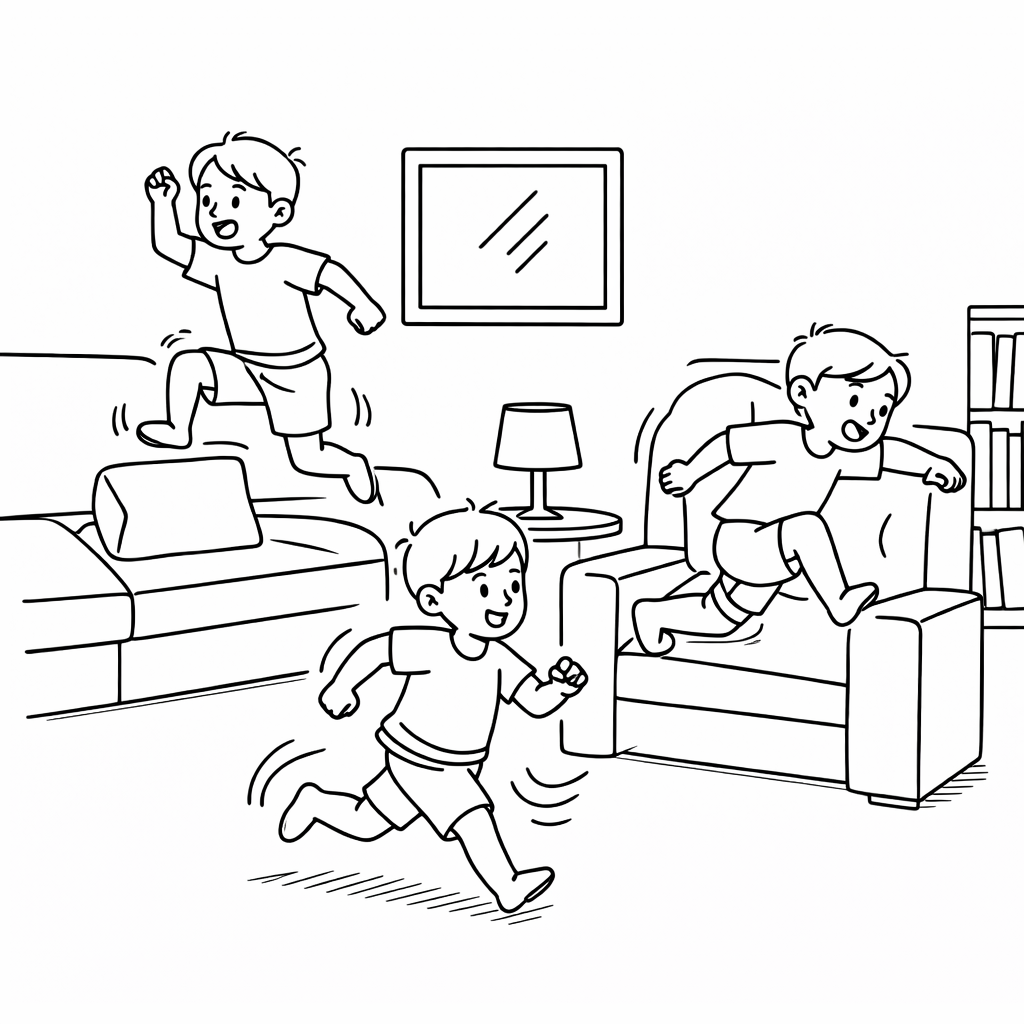
Needs extra help with daily activities like feeding, dressing, or toileting.
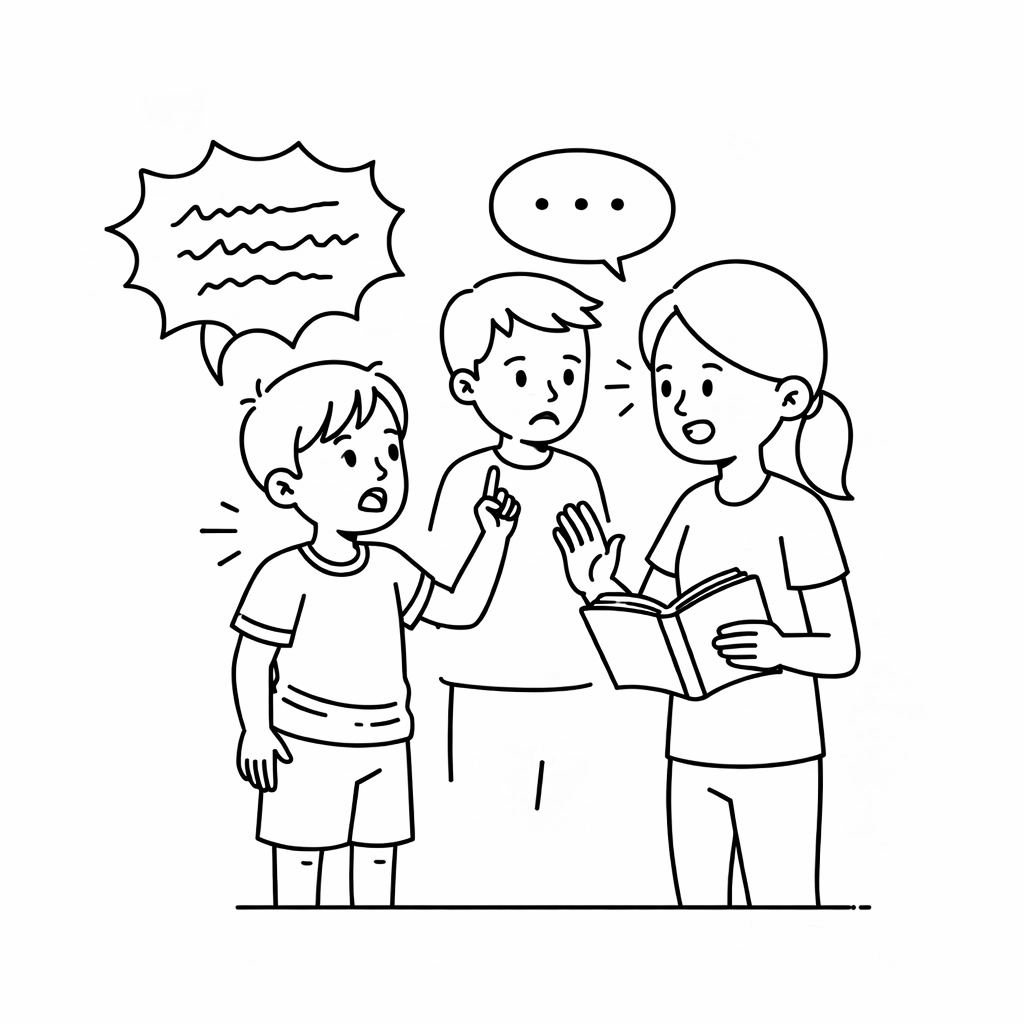
Needs extra help with daily activities like feeding, dressing, or toileting.

Every milestone matters, no matter when it comes. Our Jeevashakthi approach brings together modern developmental therapies, Ayurveda for strengthening growth, sensory and motor training, AI-supported progress tracking, and family guidance. With gentle but consistent support, we help children with GDD achieve independence step by step while empowering parents to celebrate every victory.
 Modern Medicine Integration
Early identification, assessment, and medical monitoring of developmental milestones.
Ayurveda
Gentle therapies to support growth, immunity, neurological balance, and overall well-being.
Physiotherapy
Supporting motor milestones, strength, and coordination.
Occupational Therapy
Building play skills, daily living activities, fine motor skills, and independence.
Sensory Integration Therapy
Helps children process sensory information and improve regulation and engagement.
Speech & Language Therapy
Enhancing communication, comprehension, and expression.
ADL (Activities of Daily Living) Training
Teaches essential self-care skills such as dressing, grooming, and hygiene.
Music Therapy
Supports emotional development, attention, and sensory engagement.
Special Education
Tailored learning strategies to support cognitive, academic, and adaptive skills.
Early Stimulation Programs
Structured activities to promote learning, social skills, and developmental progress.
Counseling & Psychotherapy
Emotional support for children and guidance for families.
Yoga
Calming practices to improve self-regulation, focus, and body awareness.
Family Training & Support
Empowering parents with practical strategies to reinforce therapy at home.
AI-Powered Tools
Interactive apps for developmental tracking, communication, and therapy engagement.
Diet & Lifestyle Guidance
Personalized plans to enhance growth, focus, and overall health.
Long-Term Care
Ongoing developmental support to help children thrive in school, social settings, and daily life.
Prevention & Continuous Support
Ensuring holistic care and guidance for sustainable growth and independence.
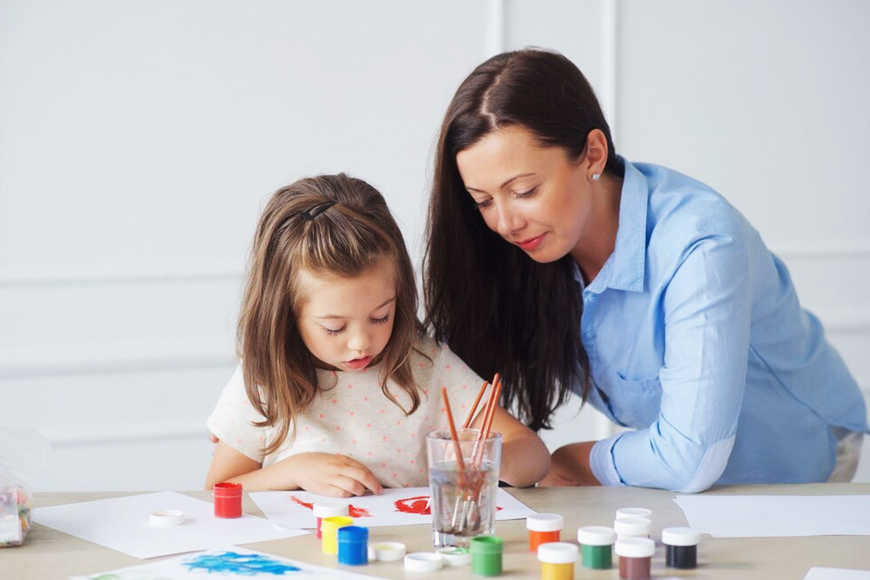
Significant delays across two or more areas—such as motor skills, speech, cognition, social skills, or daily living—can indicate GDD. Early evaluation allows us to identify specific needs and start supportive interventions that help your child thrive.
It’s never too late to support your child’s development. With individualized therapy, structured guidance, and consistent home support, children with GDD can make significant progress, build new skills, and increase independence over time. Every small step is a milestone worth celebrating.
You can reinforce therapy routines, provide structured activities, and celebrate achievements daily. Professionals guide parents with strategies to strengthen learning, encourage independence, and nurture confidence, making home an active and supportive learning environment.
A multidisciplinary approach—including physiotherapy, occupational therapy, sensory integration, speech and language therapy, ADL training, music therapy, yoga, and special education—addresses each child’s unique needs. These therapies are evidence-based, supportive, and designed to help children achieve progress at their own pace.
Yes. With consistent interventions and support, children with GDD can gain skills in self-care, communication, social interaction, and daily functioning. Our focus is on empowering children and families, celebrating every achievement, and guiding them toward greater independence and confidence.


 About Us