



“When my son struggled with things other children his age found easy like counting, tying his shoes, or remembering simple instructions I felt a deep ache in my heart.
He learns slower, at his own pace, and sometimes needs extra guidance.
But I’ve realized his worth isn’t defined by speed it’s in the joy he brings, the effort he puts in, and the small victories that shine brighter than anything else.”
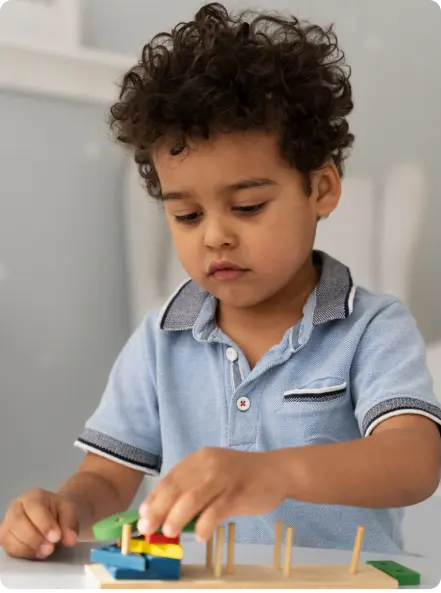

At Jeevaniyam, we look beyond test scores — we nurture real-life skills, independence, and dignity. Through Jeevashakthi, we blend therapies for communication and daily living, Ayurveda for brain and body wellness, yoga and music for emotional balance, and technology for learning support. This holistic care helps children grow at their pace, while families gain confidence in guiding them.
 Modern Medicine Integration
Comprehensive evaluation to guide individualized developmental and learning plans.
Ayurveda
Cognitive-supportive therapies to improve memory, focus, growth, and behavior regulation.
Behavior Therapy
To manage behavioral challenges and improve social-emotional regulation.
Special Education
Individualized academic, cognitive, and adaptive skill training.
Life Skills / ADL (Activities of Daily Living) Training
Promoting independence in self-care, feeding, dressing, and daily routines.
Speech & Language Therapy
Enhancing communication, comprehension, and social interaction.
Occupational Therapy
Building adaptive, motor, and vocational skills.
Physiotherapy
Supporting motor milestones, strength, and coordination.
Sensory Integration Therapy
Helps children process sensory information and regulate responses.
Music Therapy
Supports emotional development, attention, and sensory engagement.
Yoga
Calming practices to improve focus, self-regulation, and body awareness.
Counseling & Psychotherapy
Emotional health support for children and guidance for families.
Family Training & Support
Strategies for reinforcing therapy at home and supporting long-term developmental progress.
Long-Term Care
Ongoing support for schooling, vocational training, social inclusion, and community participation.
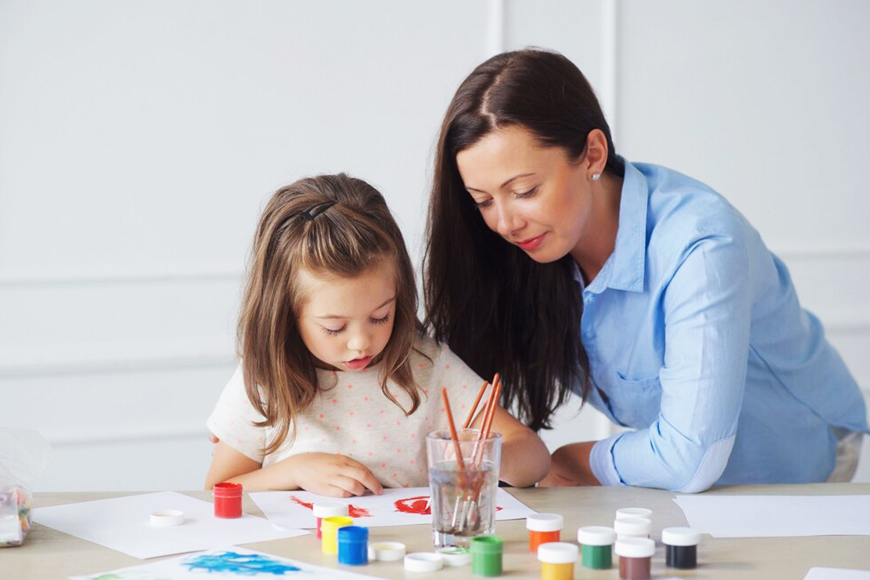
Early signs may appear in infancy or toddlerhood, such as delayed speech, late walking, or difficulty learning basic skills. A developmental assessment can help detect ID as early as preschool years, allowing timely intervention.
Families are the backbone of progress. Parents provide consistent guidance, reinforce therapy strategies at home, and create a supportive environment for growth. Training and counseling empower families to manage challenges with confidence.
Yes, many children with mild to moderate ID can attend school, learn vocational skills, and eventually take up jobs with the right support. Education, life skills training, and community inclusion are key.
No, ID is not a progressive condition. With appropriate therapy, medical care, and family support, children can continue to learn and develop skills throughout life. However, associated conditions may need ongoing management.
At Jeevaniyam, we don’t just focus on academics - we nurture the whole child. Our Jeevashakthi model integrates modern medicine, Ayurveda, yoga, music, and therapies under one roof, providing holistic care for both children and families.


 About Us