



“I noticed my daughter could never sit still, even during story time.
Her thoughts jumped from one idea to another, faster than she could speak.
Homework was a daily struggle, she’d start but rarely finish.
At school, teachers said she was “daydreaming” or “too active.”
But I saw a bright, curious child who just experienced the world differently. ”

 Signs You May Notice at Home
Milestone
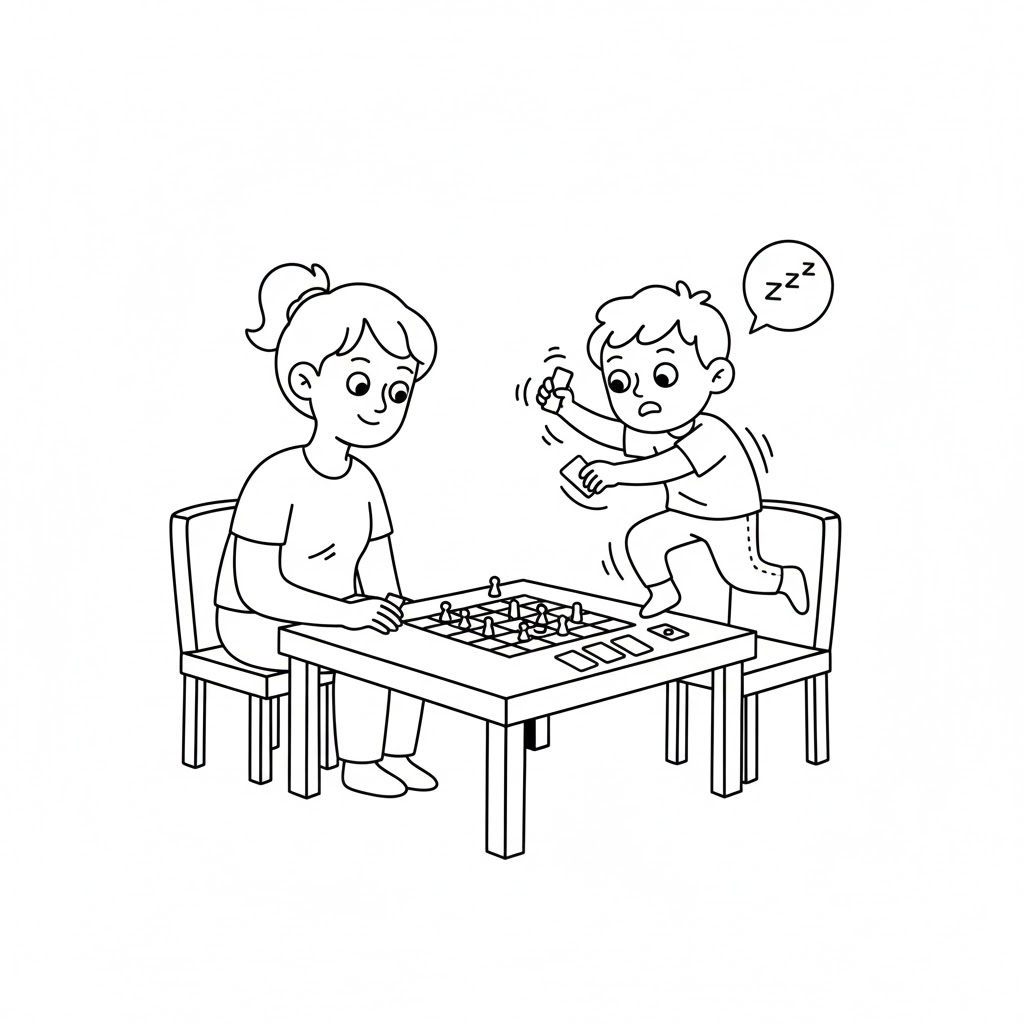
Struggles to sit through meals or family activities.
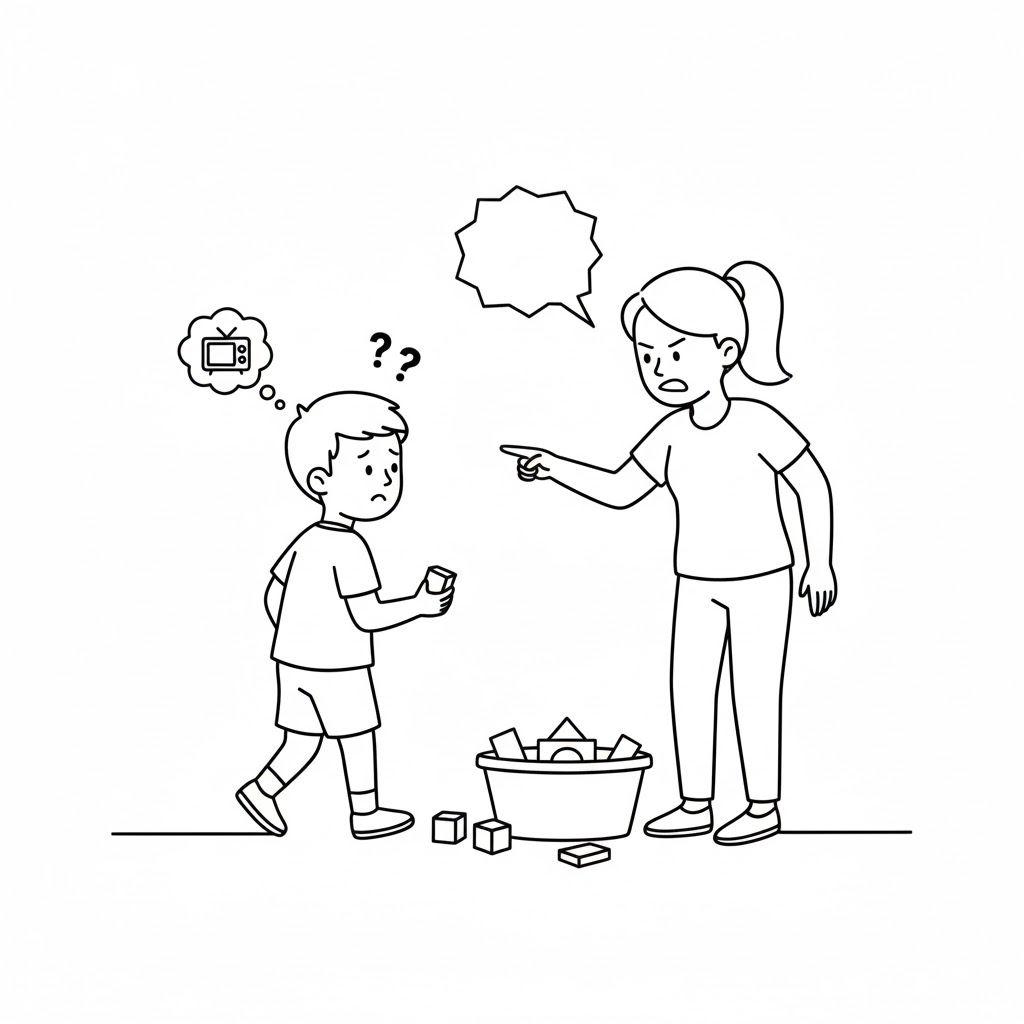
Starts chores or homework but rarely finishes.
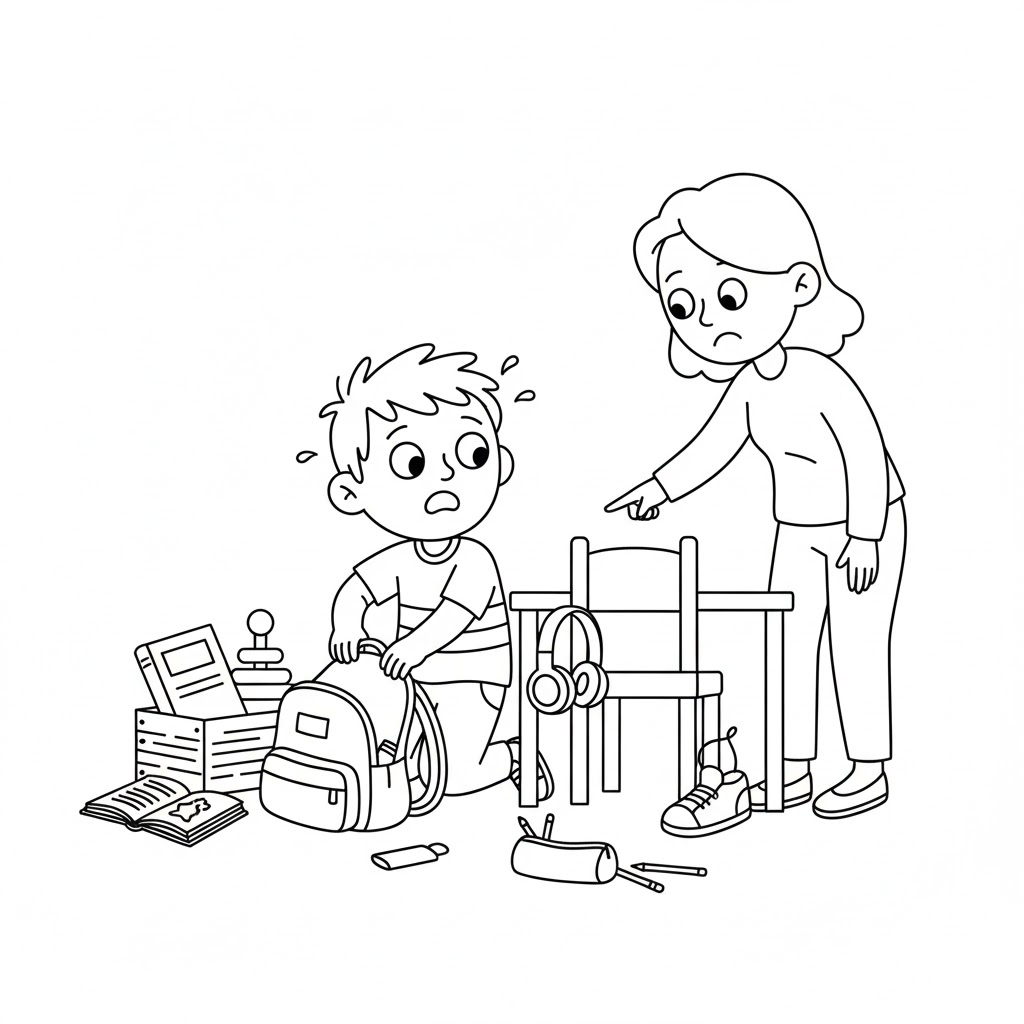
Loses toys, books, or belongings often.
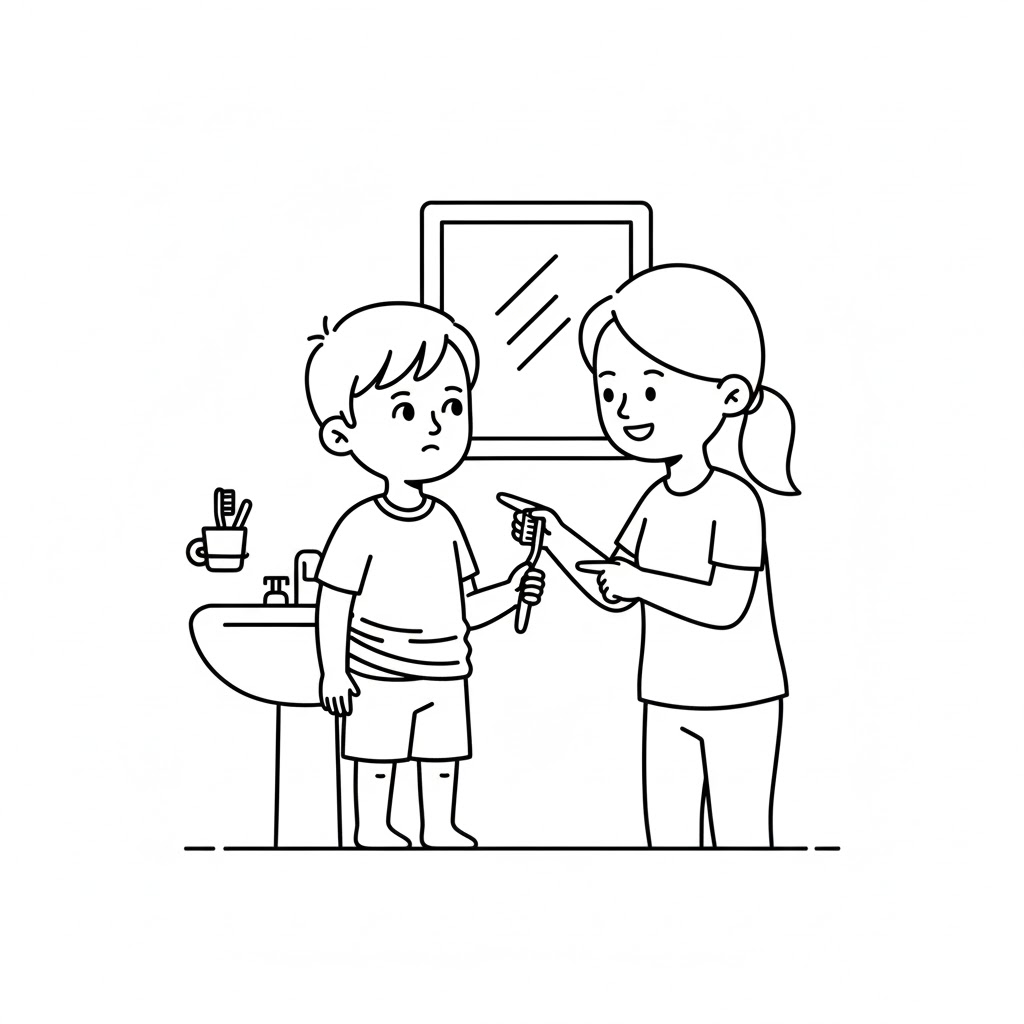
Needs reminders for daily routines (getting dressed, brushing teeth).

Talks a lot or interrupts conversations.
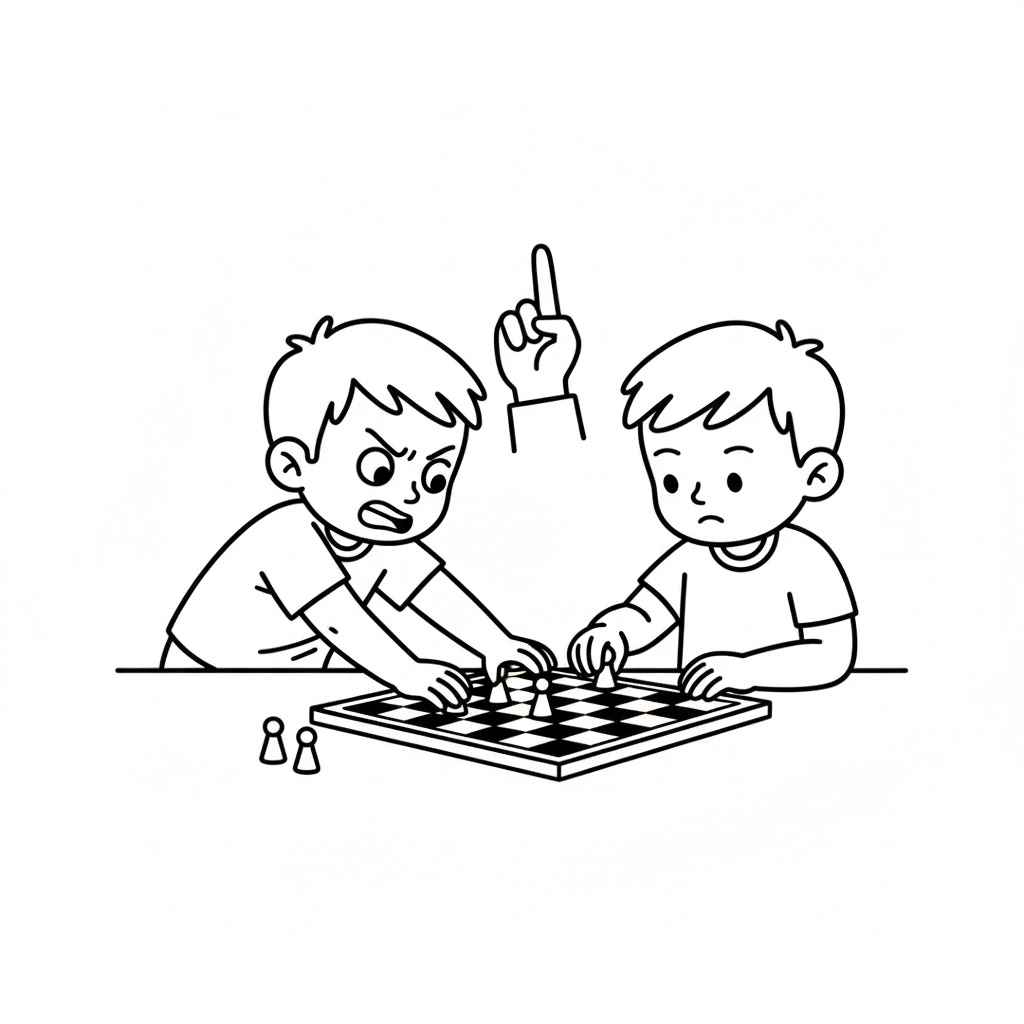
Has difficulty waiting for their turn during games.

At Jeevaniyam, we see beyond restlessness or inattention — we see a curious, energetic child with untapped potential. Our Jeevashakthi approach blends medical expertise, Ayurveda, and behavioral therapies to help children channel their energy, focus better, and thrive at school and home. With structured support, parent guidance, and holistic therapies, we turn challenges into opportunities for growth.
 Behavior Therapy
Strategies to improve attention, self-control, and reduce impulsivity.
Occupational Therapy
Activities to support self-regulation, planning, and motor coordination.
Sensory Integration Therapy
Helps children process sensory information and improve focus and regulation.
Speech & Language Therapy
Supports communication, expression, and language development.
ADL (Activities of Daily Living) Training
Teaches essential self-care skills like dressing, grooming, and hygiene.
Special Education
Tailored learning strategies to support cognitive, academic, and adaptive skills.
Counseling / Psychotherapy
Provides emotional support, CBT strategies, and family guidance.
Yoga
Calming practices to improve self-regulation, focus, and body awareness.
Music Therapy
Supports emotional connection, attention, and sensory engagement.
Modern Medicine Integration
Evidence-based assessments, diagnosis, and medical guidance to manage attention, hyperactivity, and impulsivity.
Ayurveda
Natural remedies to improve focus, calm hyperactivity, and support emotional and behavioral balance.
AI-Powered Tools
Engaging apps and digital tools for attention training, progress tracking, and therapy engagement.
Diet & Lifestyle Guidance
Personalized plans to enhance concentration, regulate sleep, and maintain energy levels.
Family Training & Support
Practical strategies for parents to manage routines, behaviors, and academic support at home and school.
Long-Term Care
Ongoing support to help children succeed academically, socially, and emotionally.

I noticed my child struggles to sit still, gets easily distracted, and often leaves tasks unfinished. Professionally, ADHD is characterized by inattention, hyperactivity, and impulsivity that interfere with daily life at home, school, or social settings. Consistent observation of these patterns across different environments helps determine whether a formal evaluation is needed.
I worry that my child starts homework or chores but rarely finishes them. Children with ADHD often have difficulty sustaining attention and following through on tasks, but structured support, behavioral strategies, and therapy can significantly improve focus and task completion.
I see my child constantly fidgeting, moving around, or talking excessively. Hyperactivity in ADHD is due to differences in brain regulation of activity and impulses; therapy and structured routines can help channel this energy in positive ways.
I want to support my child without causing frustration or conflict. Professional guidance recommends consistent routines, positive reinforcement, parent-led strategies for attention and behavior, and coordination with teachers to provide structured, predictable environments.
I wonder if behavior therapy, occupational therapy, or other interventions will make a difference. Evidence-based therapies—including behavior therapy, occupational therapy, counseling, and structured skill-building—help children manage attention, impulsivity, and hyperactivity, improving academic performance, social skills, and daily functioning.


 About Us