



“Others walk straight without thinking and I wish to walk like that, but my legs won’t listen. People hold a glass, write, or eat with steady hands, while mine tremble even for the simplest task. Friends talk smoothly, but my words come out slow and slurred, and they think I’m clumsy or careless. What feels effortless for others becomes a daily battle for me — every step, every movement, every word.”
Ataxia is a group of neurological disorders that affect coordination, balance, and speech due to damage in the cerebellum or related pathways. It can be genetic, acquired, or progressive, and it impacts physical, emotional, and social well-being.
Symptoms – “BALANCE”
B - Balance problems, frequent falls
A - Awkward or unsteady walking
L - Lack of coordination in hands and feet
A - Abnormal speech (slurred, slow)
N - Nystagmus (abnormal eye movements)
C - Clumsiness with daily tasks
E - Emotional frustration due to loss of independence
When to Seek Expert Care?
Rehabilitation should begin as soon as ataxia is diagnosed - even in mild or early stages. Early therapy improves coordination, prevents secondary complications, and helps maintain independence for as long as possible.
At Jeevaniyam, care follows our Jeevashakthi approach—a fusion of modern medicine, Ayurveda, AI, therapies, and family-centred practices.
 Modern Medicine Integration
Diagnostics, neurological care, and medical management for underlying causes.
Ayurveda
Herbal and panchakarma therapies to improve nerve health, reduce fatigue, and stabilize coordination.
Multidisciplinary Therapies
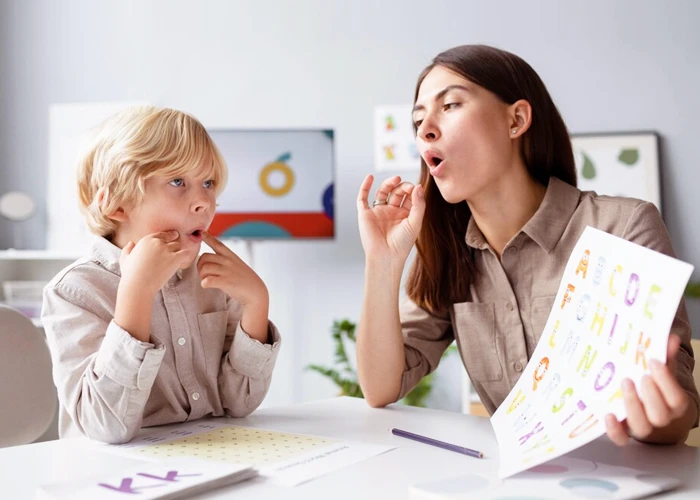
Physiotherapy for gait training, balance, and posture Occupational therapy for daily skills and adaptive strategies Speech-language therapy for articulation and swallowing Eye movement exercises to reduce nystagmus-related discomfort Psychological support for coping with frustration and anxiety
Yoga & Music Therapy
Rhythmic movement, chanting, and mindful breathing to stabilize motor control and emotional well-being.
AI-Centric Rehab
Smart monitoring, VR-based balance games, and personalized training programs.
Diet & Lifestyle Guidance
Nutritional support to strengthen nerves and overall vitality.
Family Training & Support
Equipping families to handle mobility and communication challenges with compassion.
Assistive Technology
Walkers, balance aids, and adaptive tools to increase safety and confidence.
At Jeevaniyam, we combine adaptive strategies, assistive tools, and targeted exercises to help you participate safely in work, hobbies, and social activities, so you can maintain independence and confidence.
We provide personalized balance and gait training, along with practical safety measures and supportive devices. These interventions improve stability and reduce the risk of injury during daily activities.
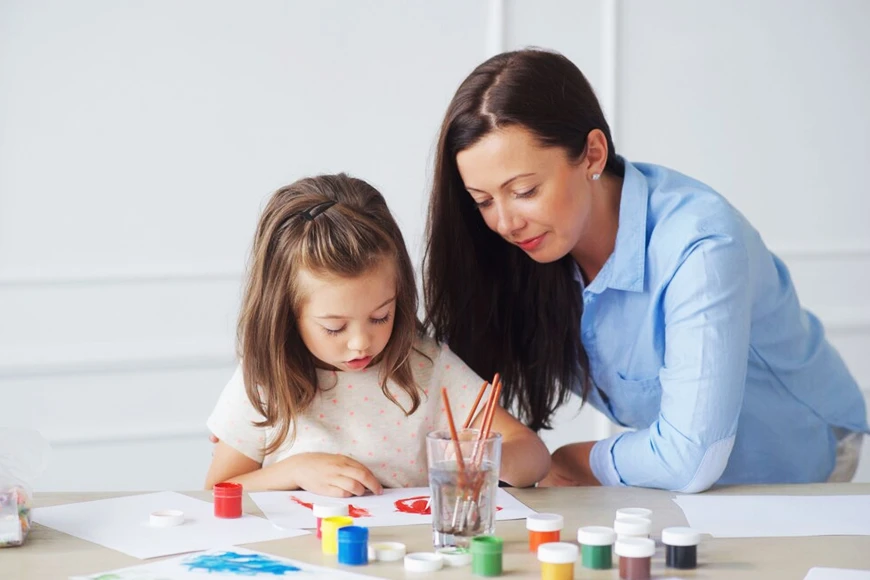
Occupational therapy focuses on fine motor exercises, adaptive techniques, and supportive tools that help you perform tasks more smoothly, allowing you to regain control over daily activities.
Yes. Speech-language exercises, breathing practices, and coordination training enhance articulation, pacing, and clarity, helping you communicate more confidently in social and professional settings.
We address emotional well-being through counseling, mindfulness practices, yoga, and music-based interventions. These methods help you cope with daily challenges, reduce stress, and maintain a positive mindset.


 About Us