



"I used to be the life of every gathering, always smiling and energetic. But slowly, things changed. I started waking up with a heavy heart, feeling empty even on good days. Work felt impossible, I withdrew from friends, and even the simplest tasks seemed overwhelming. My family noticed my anger and sadness, but I couldn’t explain the storm I was carrying inside."
For many adults, mood disorders can quietly take over daily life. Conditions such as Major Depressive Disorder, Bipolar Disorder, or Persistent Depressive Disorder (Dysthymia) affect energy levels, motivation, relationships, and even physical health. These are not just “bad days” or “mood swings” they are medical and psychological conditions that require understanding and care.
Major Depressive Disorder (MDD)
Persistent sadness, hopelessness, loss of interest in activities, fatigue, changes in sleep or appetite, and difficulty concentrating.
Bipolar Disorder
Alternating episodes of depression and mania — low energy and hopelessness in depressive phases, followed by high energy, impulsivity, and reduced need for sleep in manic phases.
Persistent Depressive Disorder (Dysthymia)
A long-term (2+ years) low mood with tiredness, poor motivation, and lack of joy. Symptoms are milder than major depression but chronic and draining.
Cyclothymic Disorder
Milder but ongoing mood swings, shifting between low mood and mild hypomanic energy, which still affect daily life and stability.
 Signs to Watch For
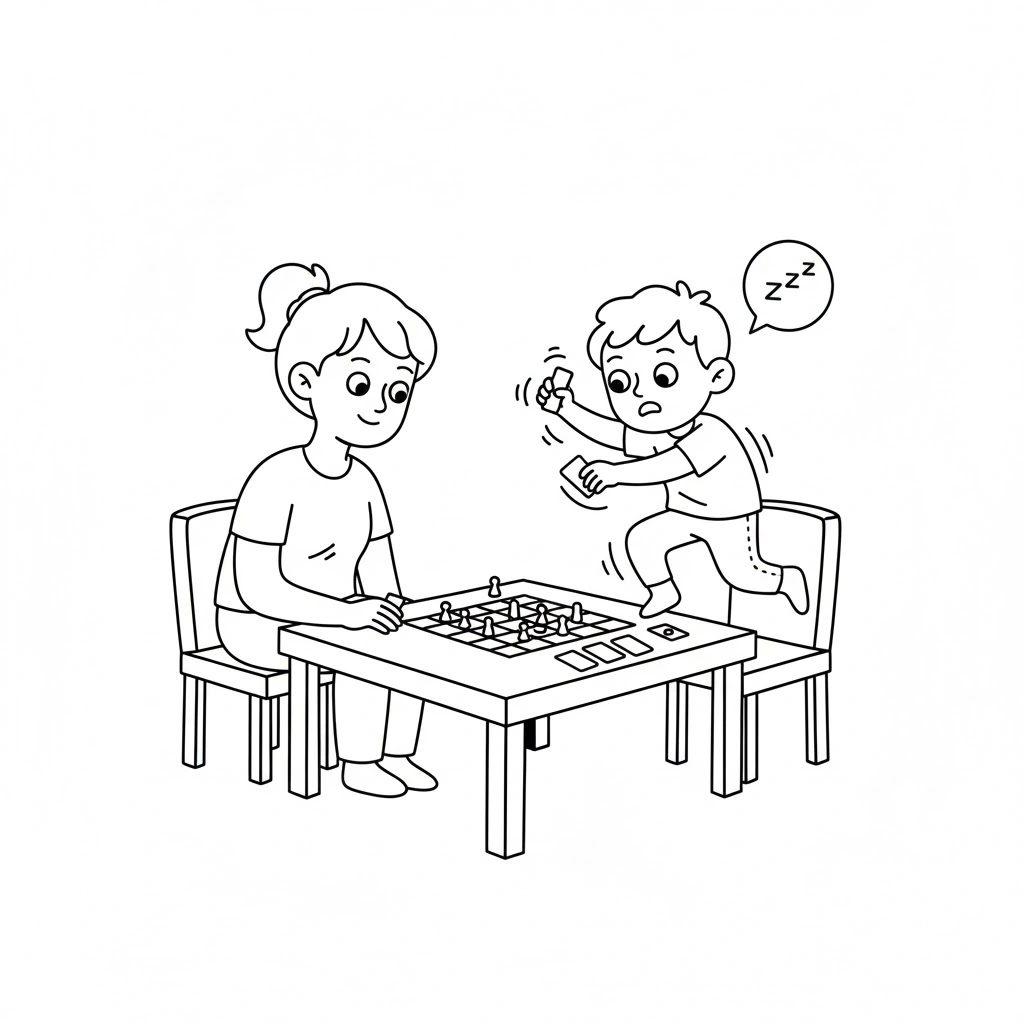
Loss of interest in work, hobbies, or relationships
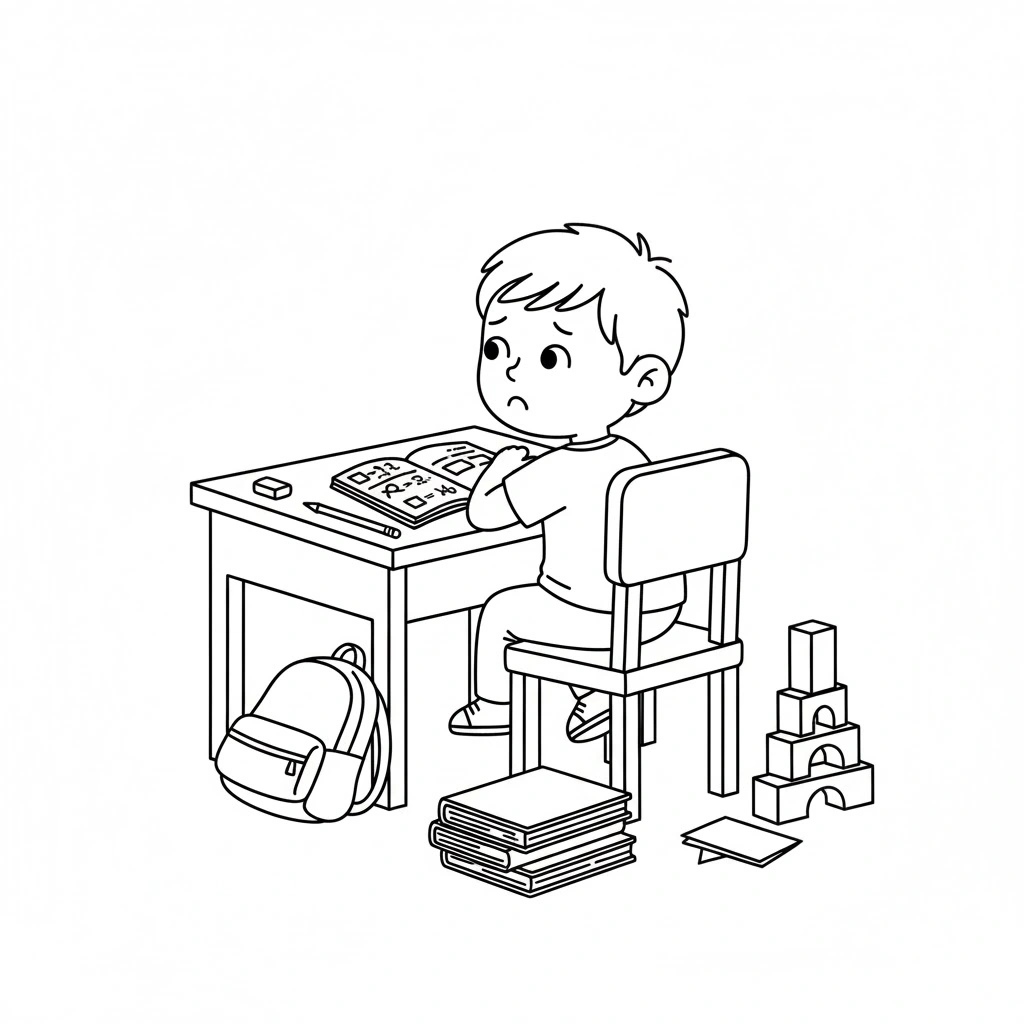
Sleep disturbances (too much or too little)
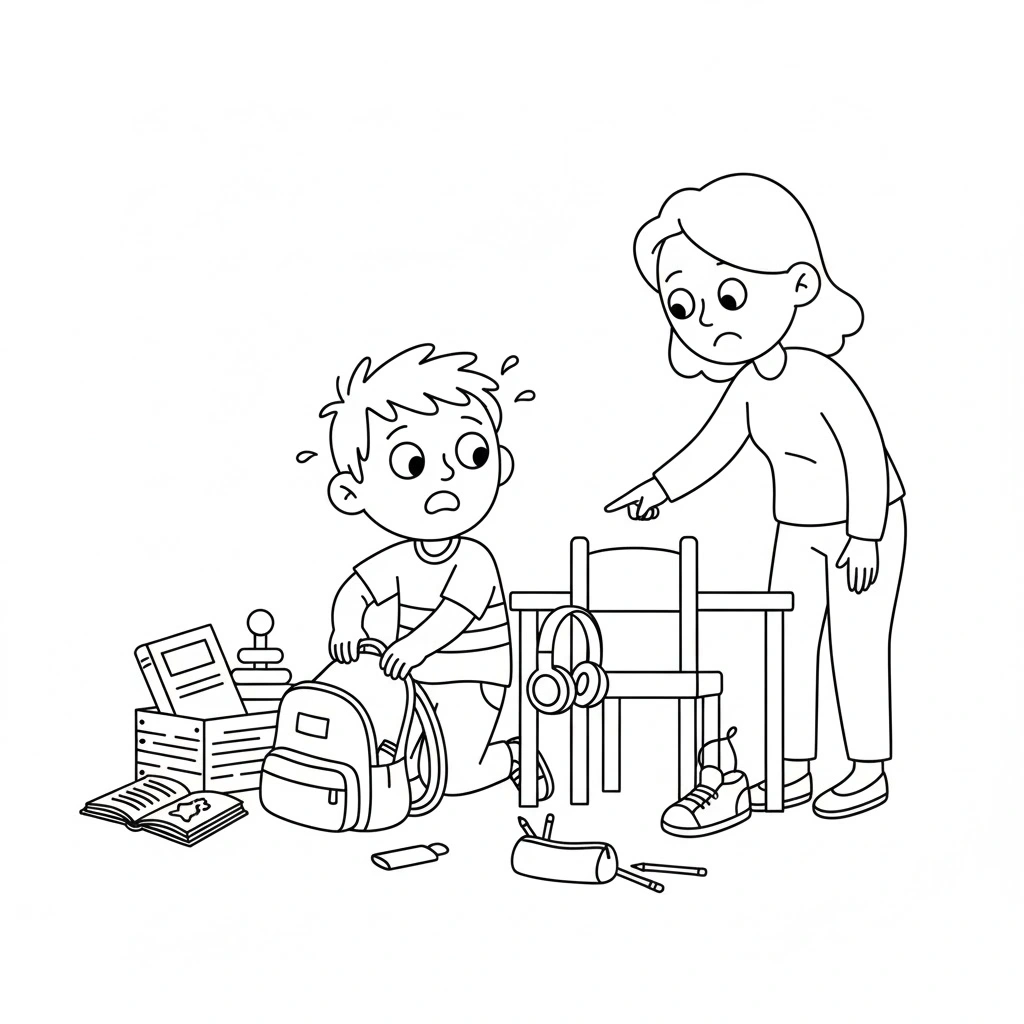
Persistent fatigue or low energy
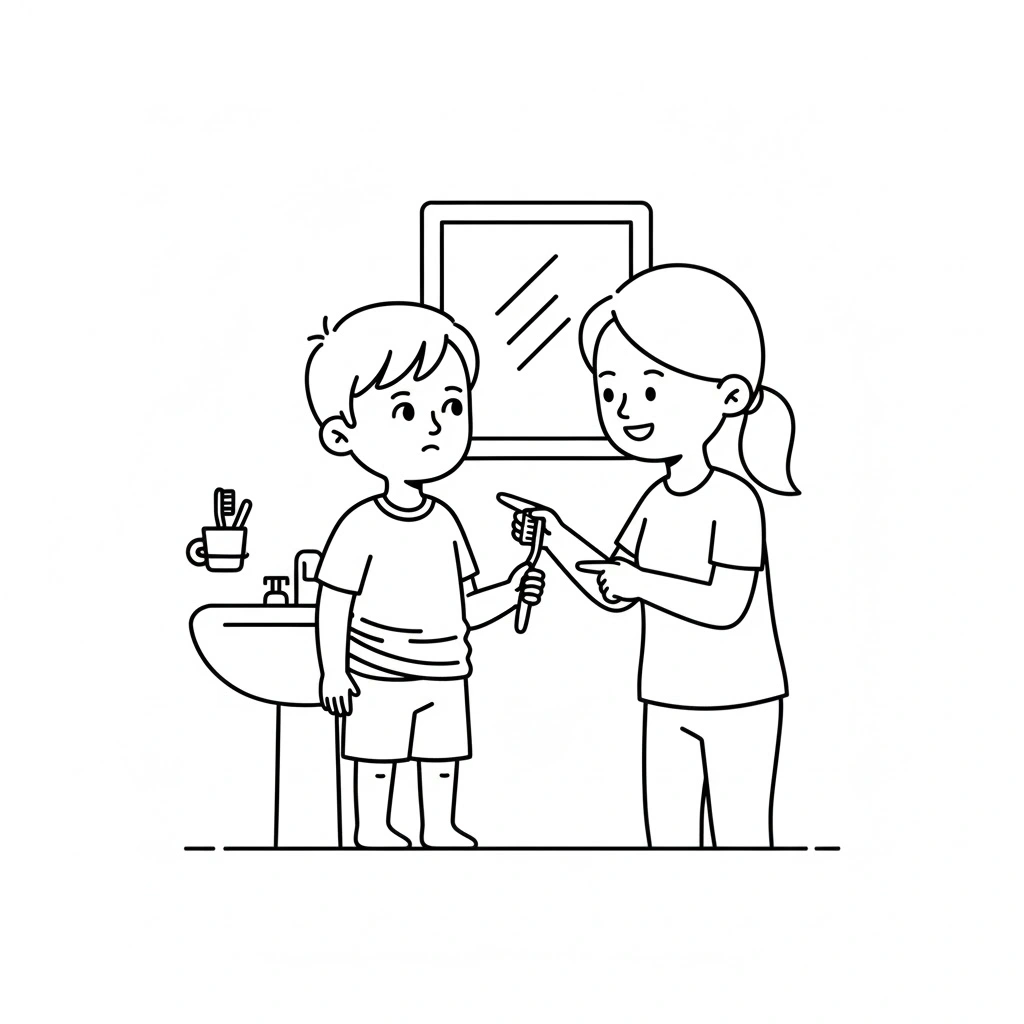
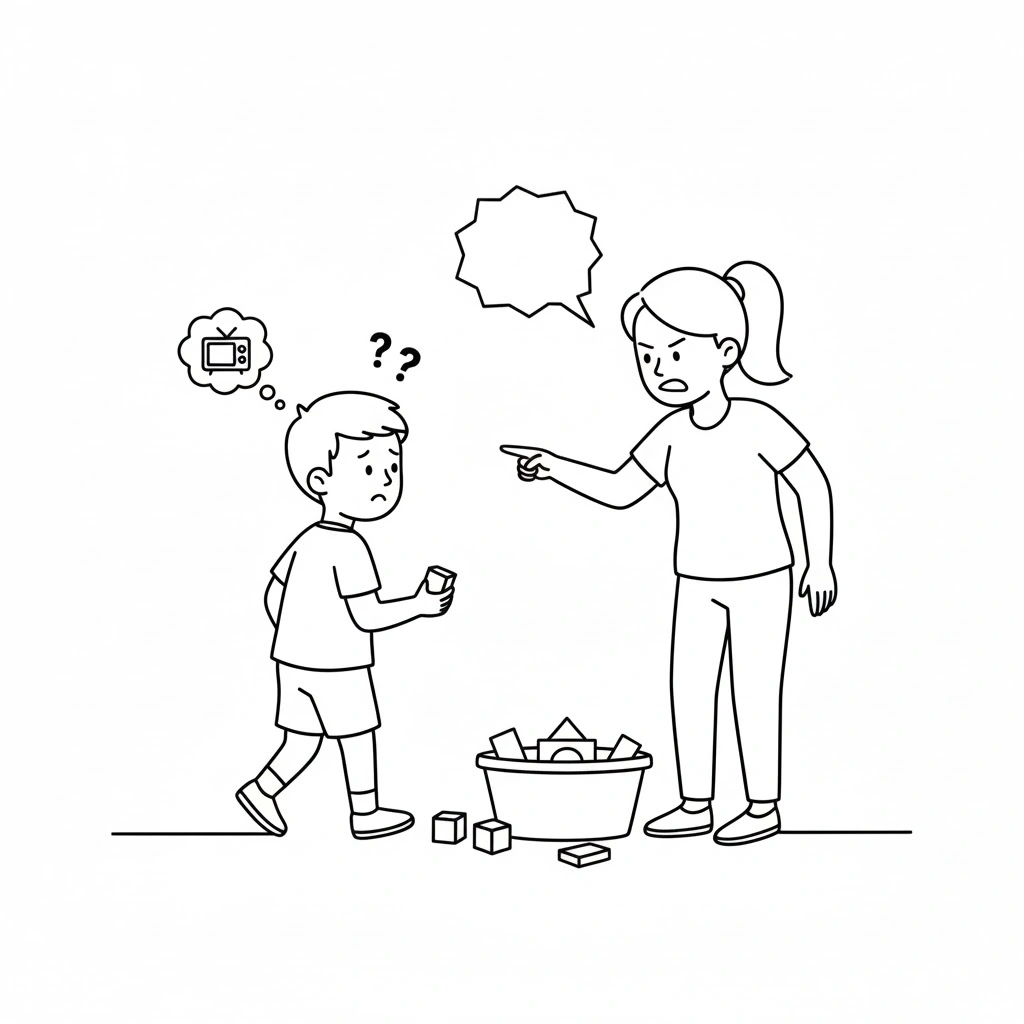
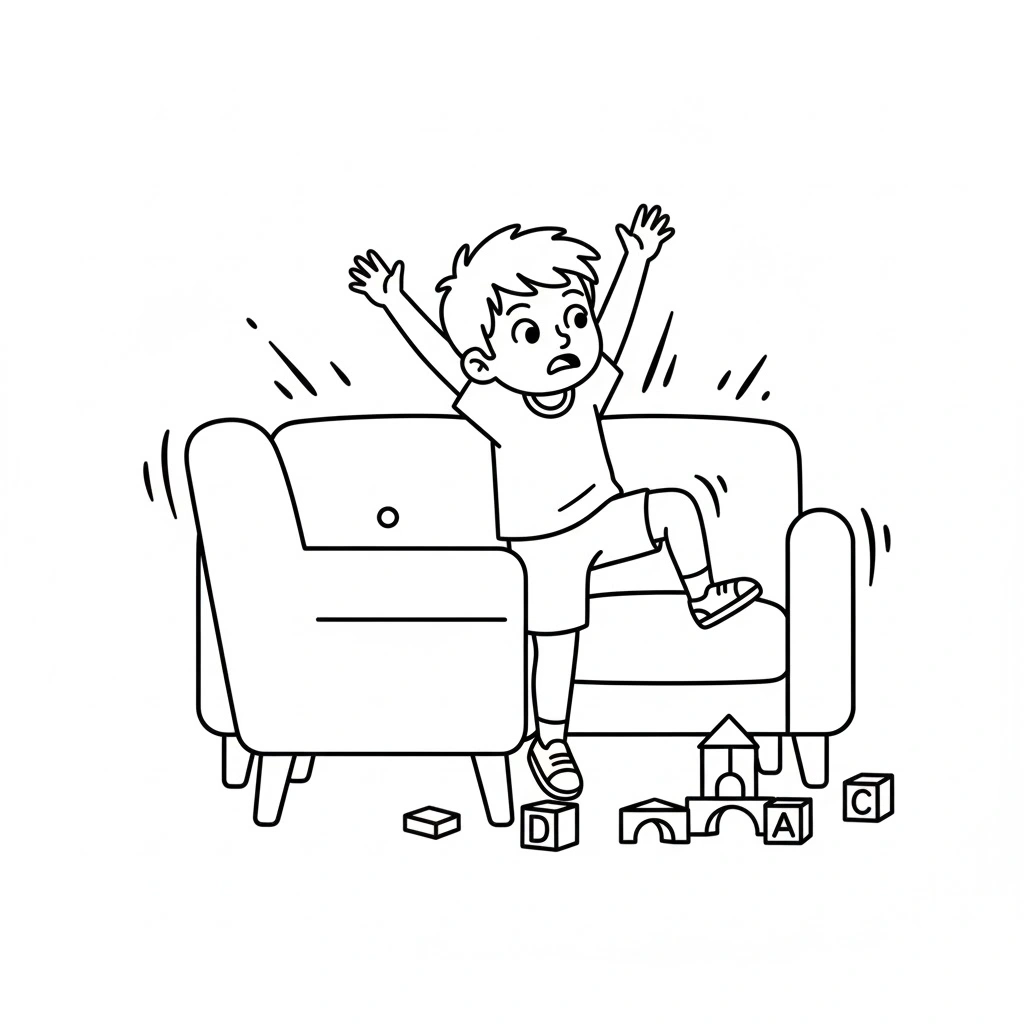
Sudden bursts of irritability or anger
Difficulty concentrating or making decisions
Thoughts of self-harm or suicide
Hopelessness, worthlessness, or guilt

At Jeevaniyam, we believe mood disorders are treatable, and recovery is possible with the right support. Our Jeevashakthi approach ensures healing that addresses both the mind and body.
 Modern Psychological & Psychiatric Care
Evidence-based therapies (CBT, DBT, interpersonal therapy), medication support when needed.
Ayurveda & Lifestyle Integration
Herbal formulations, diet regulation, sleep hygiene, and calming practices for emotional balance.
Therapies for Daily Functioning
Stress management, mindfulness, yoga, music therapy, and structured routines.
Family & Workplace Guidance
Helping families and employers understand mood disorders and create supportive environments.
Long-Term Support & Relapse Prevention
Ongoing follow-ups, self-care strategies, and resilience-building.

Sadness is temporary and usually tied to specific events. Depression lasts for weeks or months and affects daily life, sleep, appetite, and motivation.
They can often be effectively managed. Many people recover fully, while others learn strategies to manage symptoms and live fulfilling lives.
Not always. Some people benefit from therapy alone, while others may need medication alongside therapy for better recovery.
No. Bipolar disorder involves extreme episodes of depression and mania or hypomania, which last days to weeks and significantly affect functioning.
If mood changes last more than two weeks, interfere with work, school, or relationships, or include thoughts of hopelessness, professional help is needed.


 About Us