



"When my little one first had a seizure, I felt my heart stop - I didn’t know what was happening or how to help. Over time, I noticed that beyond the seizures, my child struggled with learning, keeping up in school, and sometimes even making friends. Watching them try so hard but feel left out broke me inside. Epilepsy isn’t just about seizures - it touches their growth, emotions, and everyday life in ways most people don’t see."
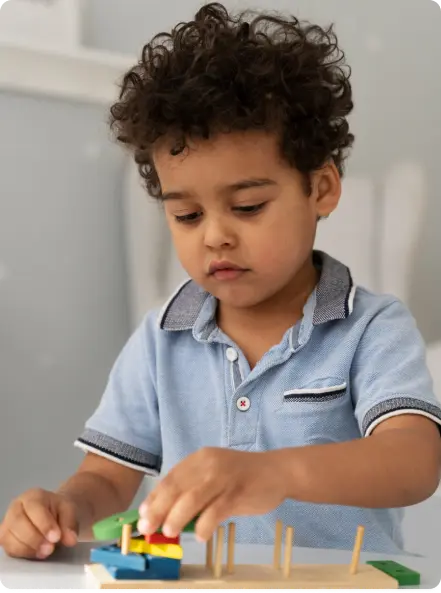
 Signs You May Notice at Home
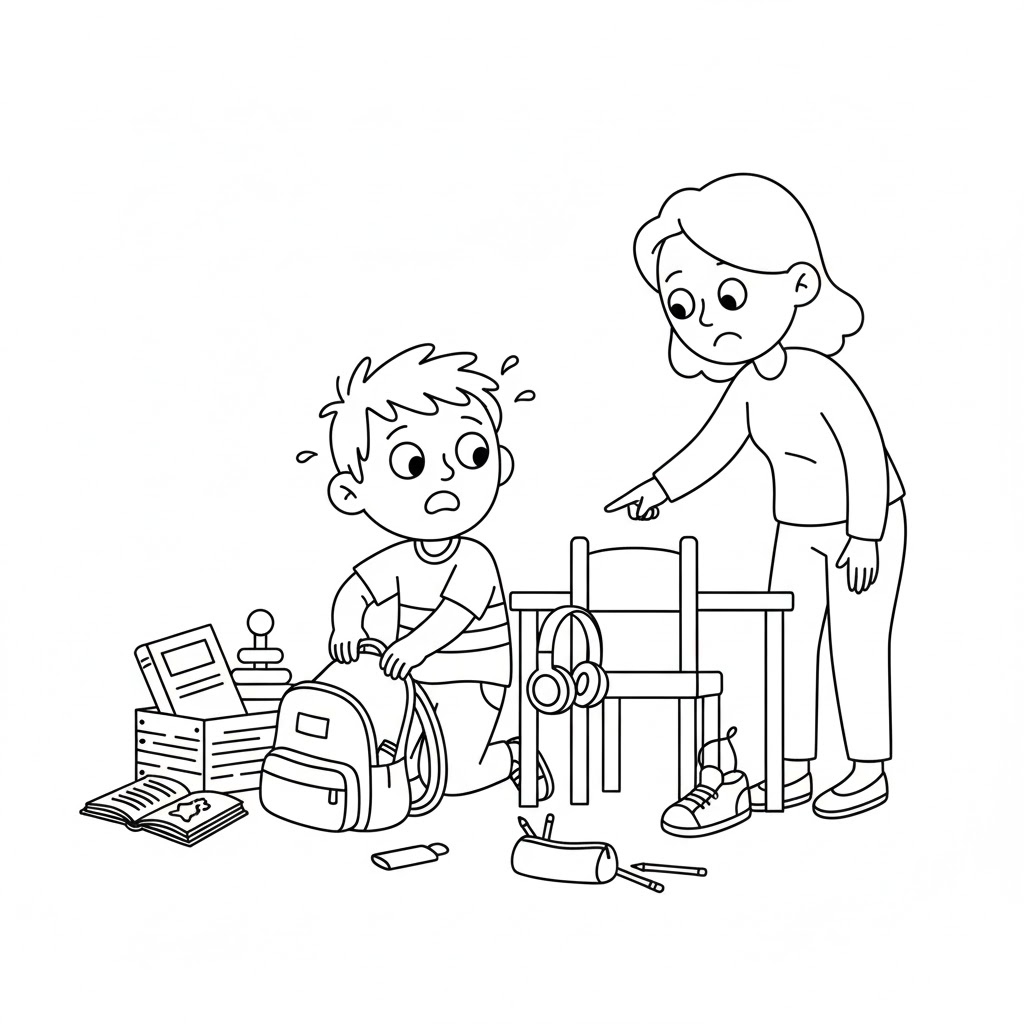
Your child may suddenly stop what they’re doing and stare blankly for a few seconds.
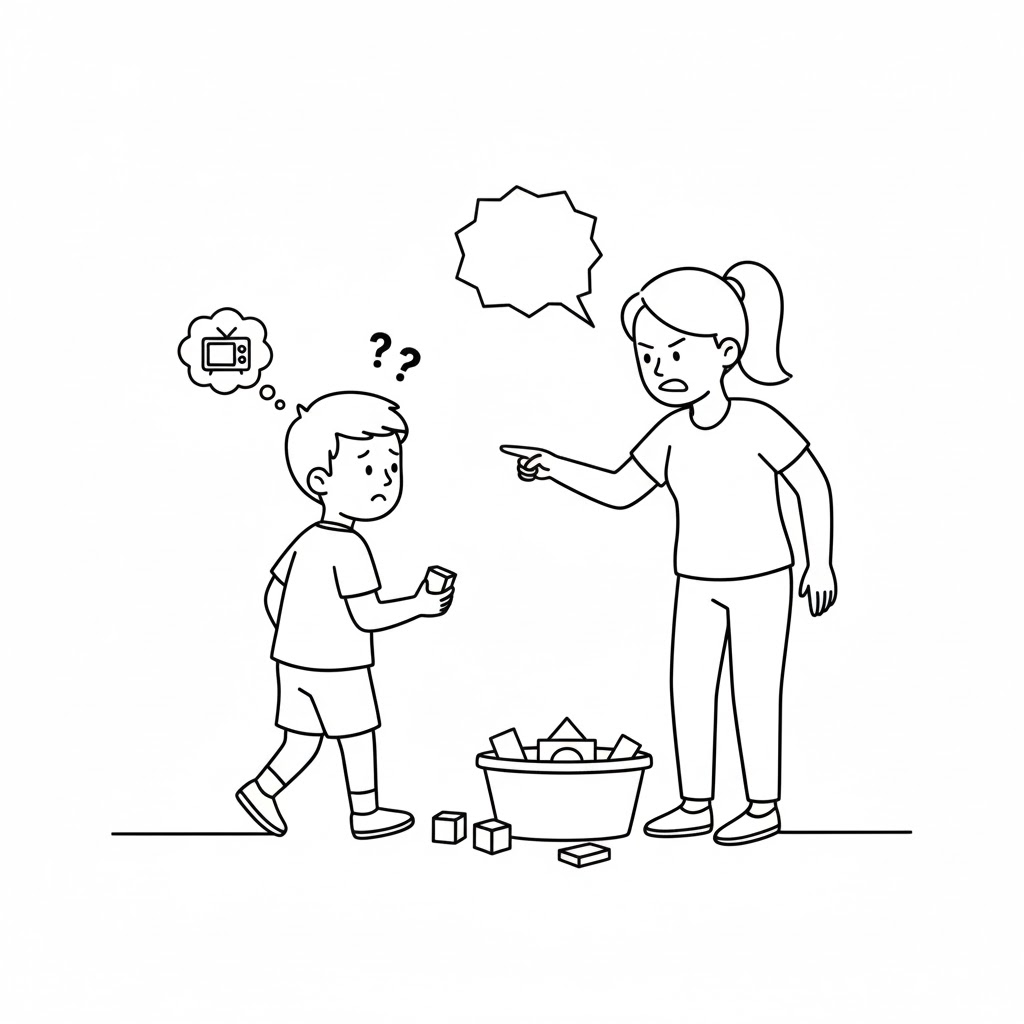
Repeated episodes of jerking or stiffening in arms, legs, or whole body.
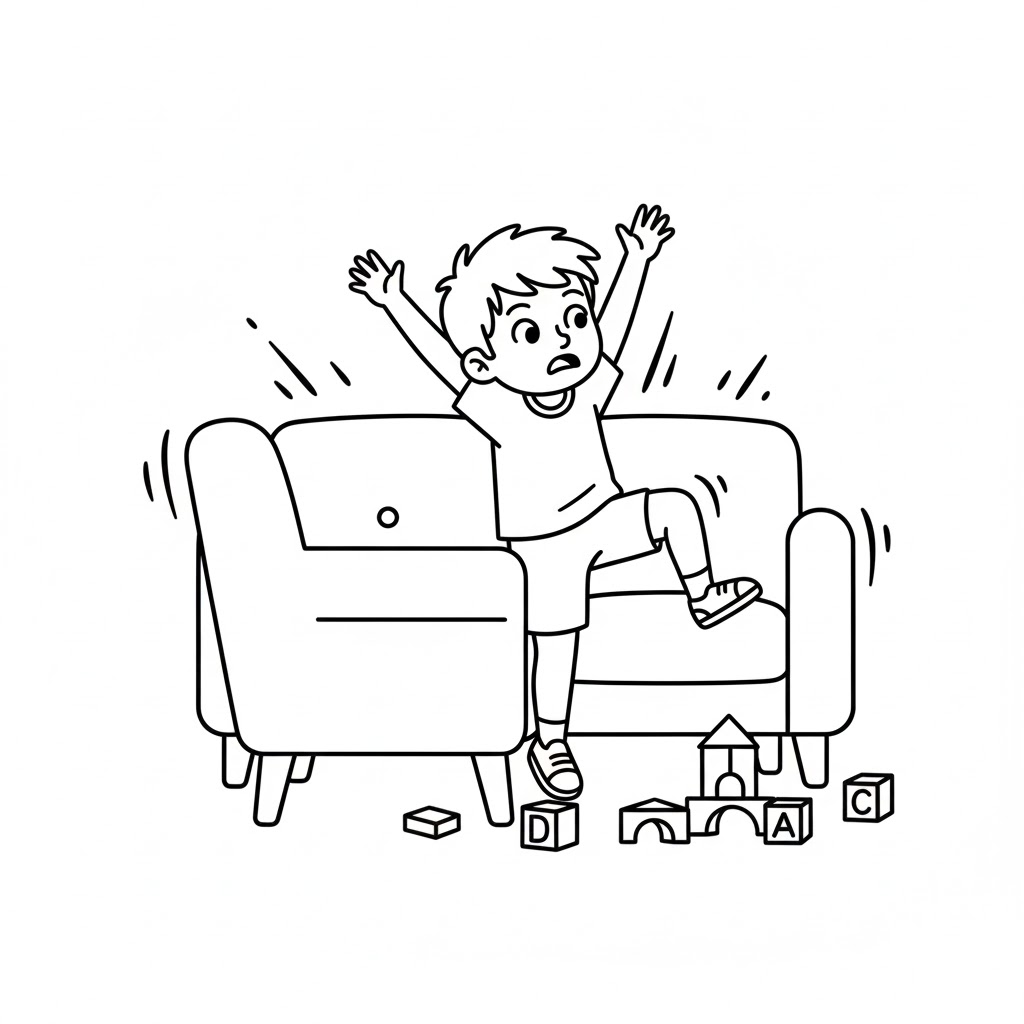
Sudden falls, loss of balance, or dropping things from their hands.
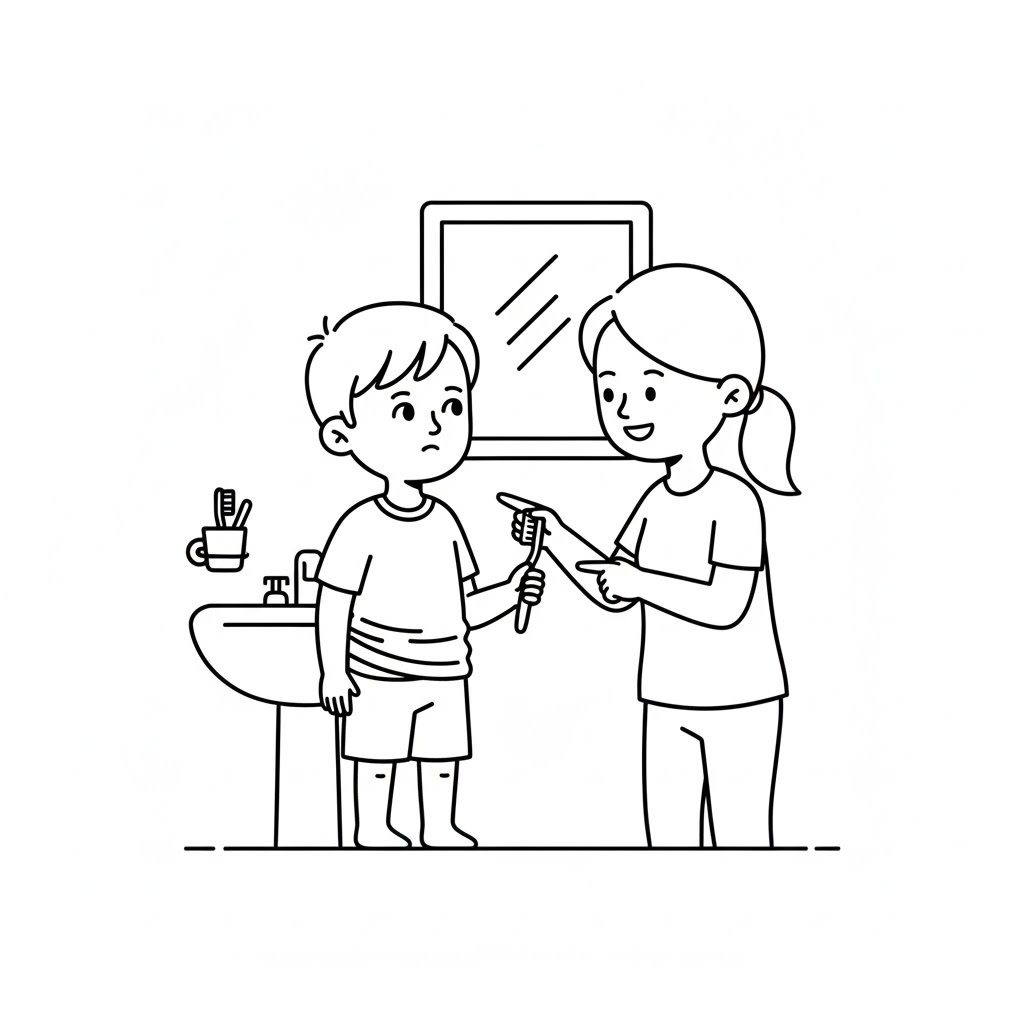
Brief periods where your child seems “absent” or unresponsive to your voice.
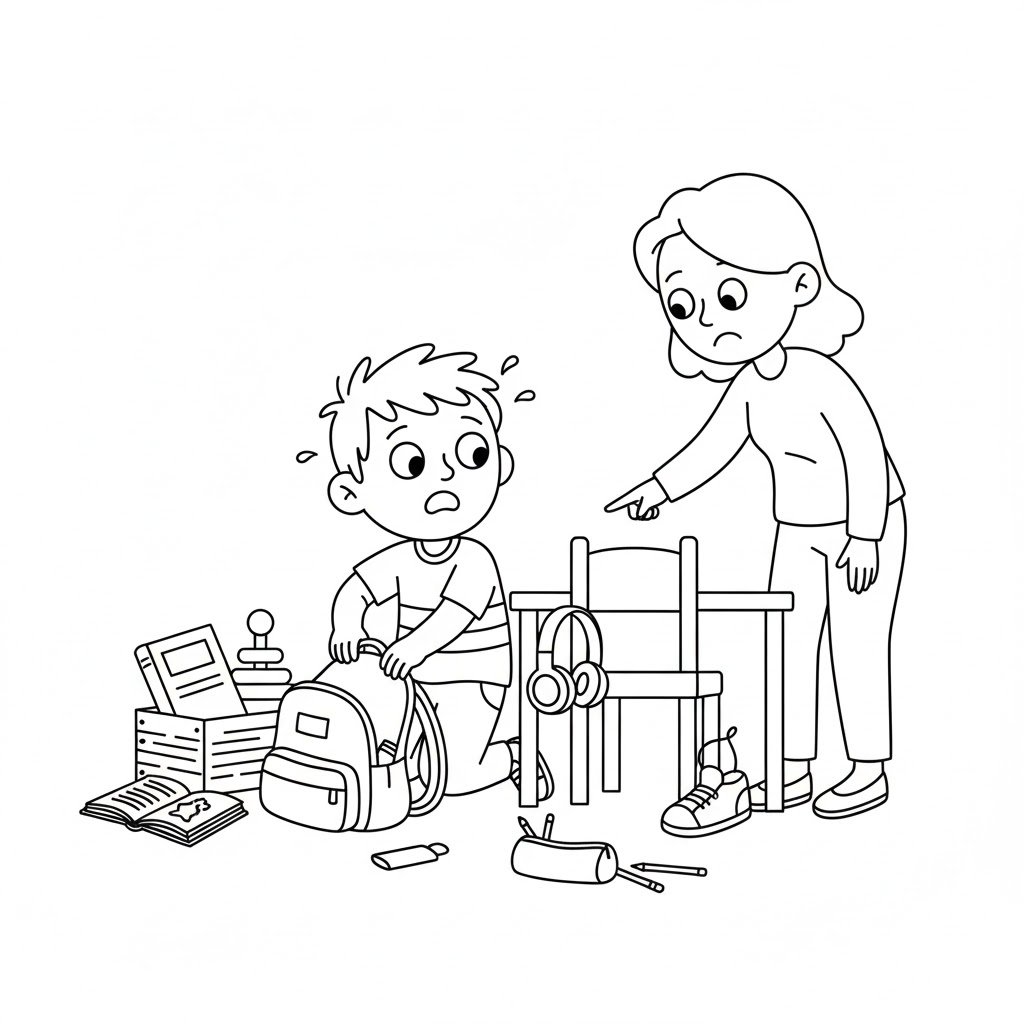
Confusion, tiredness, or sleepiness after a sudden episode.
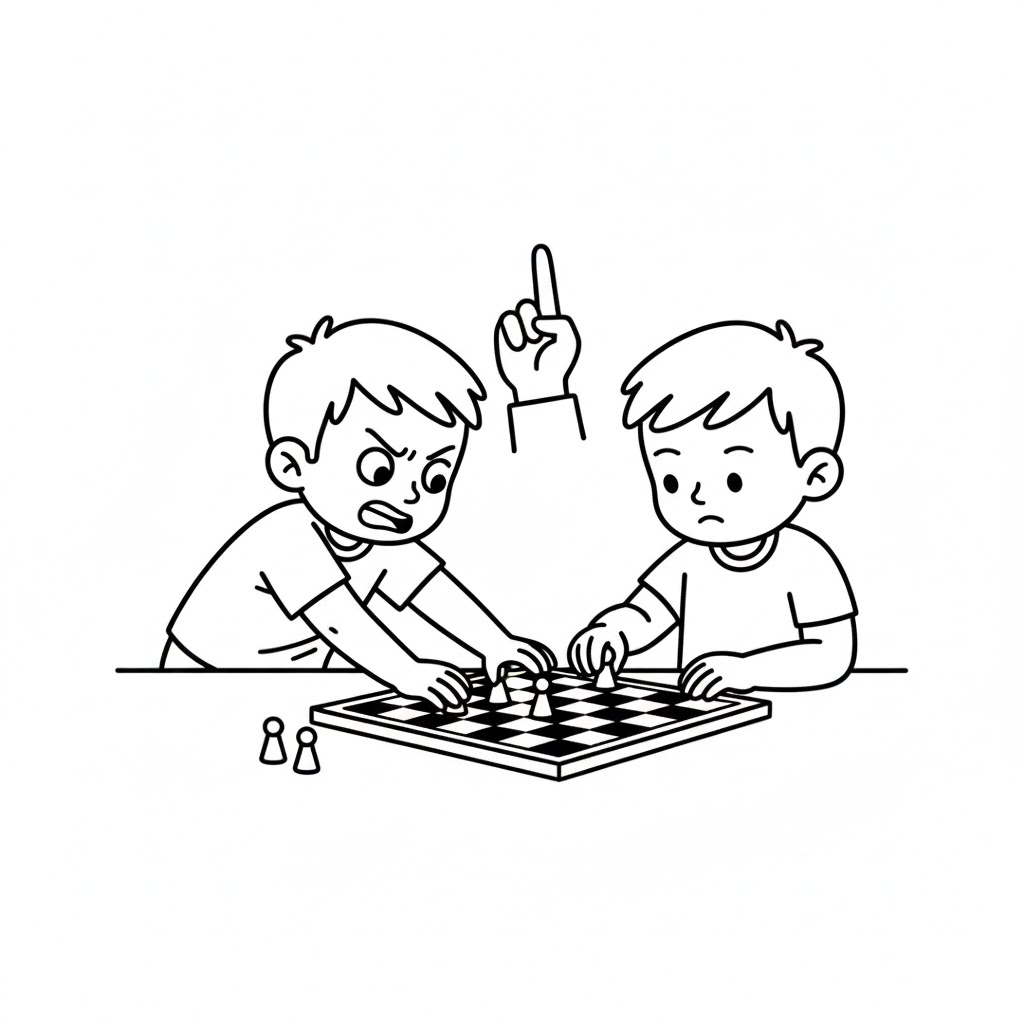
Difficulty remembering recent events or tasks after a seizure.
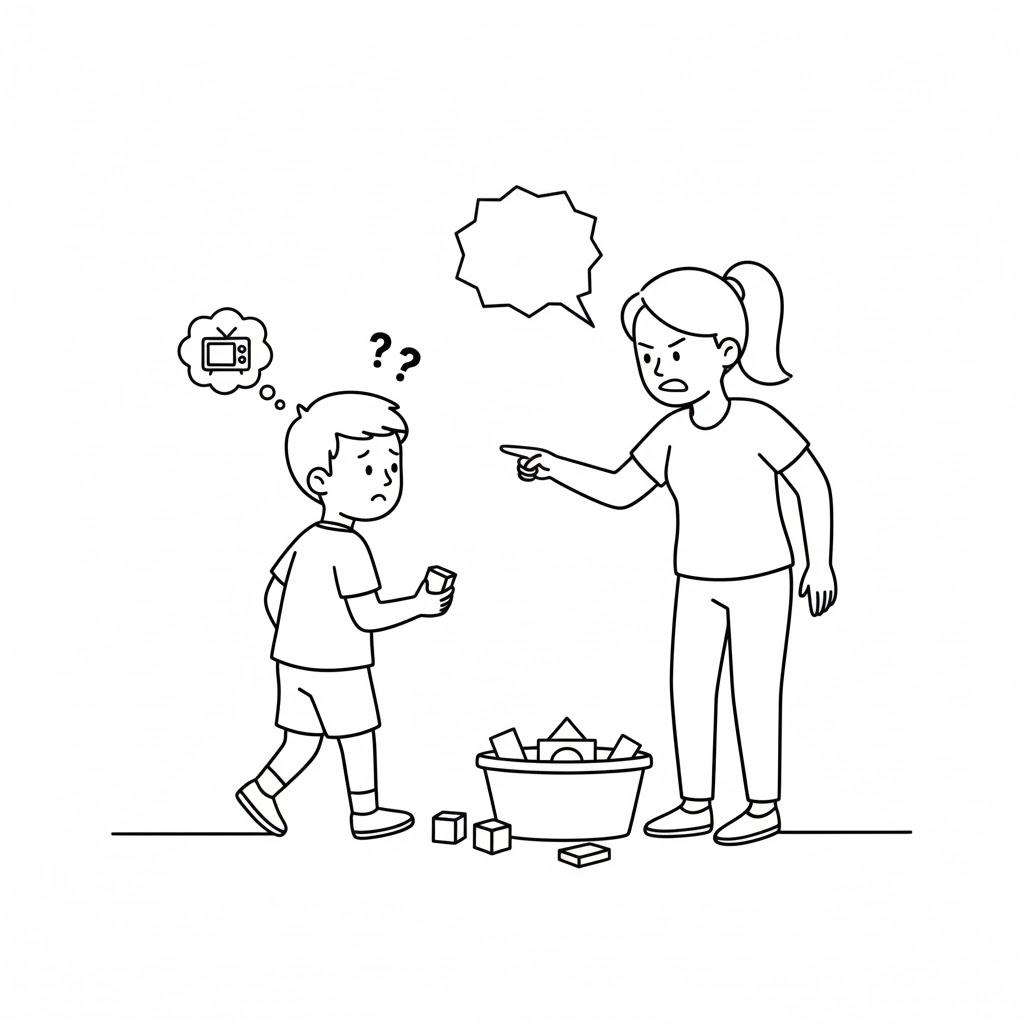
Emotional changes like sudden irritability, sadness, or withdrawal.

Epilepsy affects more than seizures - it impacts growth, emotions, and learning. Our Jeevashakthi approach blends medical management, Ayurveda for neurological balance, therapies for cognition and motor skills, yoga for relaxation, and AI-based progress monitoring. We walk with families to ensure children stay safe, grow with confidence, and live fuller lives.
 Occupational Therapy
Supporting fine motor skills, daily living activities, adaptive skills, and sensory-motor integration.
Physiotherapy
Improving mobility, strength, coordination, balance, and endurance.
Speech & Language Therapy
Enhancing communication, comprehension, expressive language, and oral-motor skills, especially if seizures affect speech development.
Cognitive Stimulation / Cognitive Rehabilitation
Exercises for memory, attention, executive functioning, problem-solving, and learning strategies.
Behavior Therapy / Applied Behavior Analysis (ABA)
Supporting emotional regulation, adaptive behavior, and coping strategies for frustration or anxiety.
Music Therapy
Alternative ways to engage cognition, attention, and emotional expression, promoting relaxation and self-confidence.
Sensory Integration Therapy
Helps children process sensory information efficiently, particularly if seizures or medications affect sensory responses.
Yoga & Mindfulness Techniques
Practices to reduce stress, enhance focus, and improve body awareness safely.
Parent-Mediated Training
Coaching caregivers on seizure safety, therapy reinforcement, and developmental support at home.
School and Classroom Support
Individualized Education Plans (IEPs), modified learning schedules, and safety protocols in school settings.
Modern Medicine Integration
Neurology care for seizure evaluation, diagnosis, and management; medication monitoring; and coordination with other specialists for developmental concerns.
Ayurveda
Neuroprotective and calming therapies to support nervous system balance, reduce seizure frequency, and improve attention and cognition.
Family Training & Support
Practical guidance on seizure management, emergency response, establishing routines, and emotional support for caregivers.
Long-Term Care
Continuous multidisciplinary support for seizure control, functional independence, academic and social development, and overall quality of life.
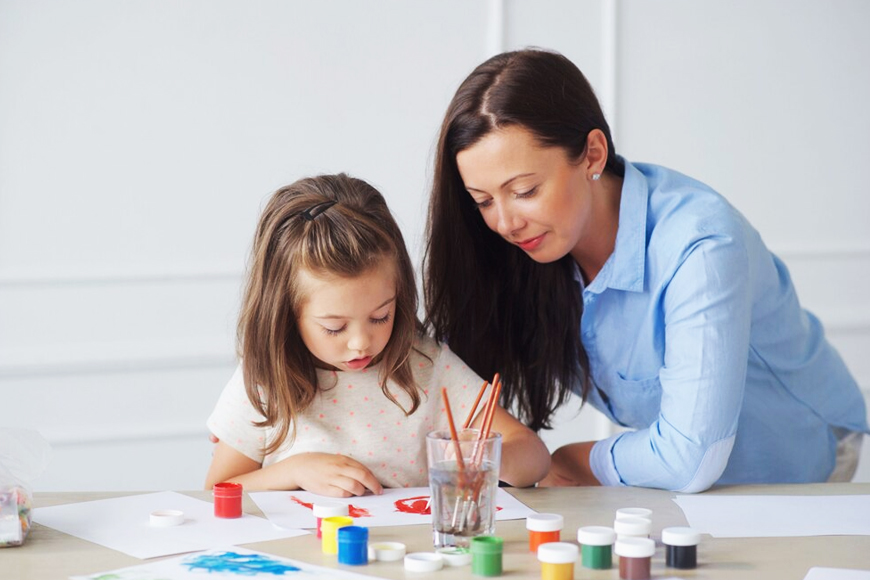
Children with epilepsy may experience memory, attention, language, and motor delays due to the underlying neurological condition or effects of seizures and medications. Observing patterns such as difficulty keeping up in school, trouble with coordination, or slower development compared to peers can indicate a link.
Yes. Children may feel anxious about having seizures, struggle with low self-esteem, or withdraw from activities. They may also face stigma from peers or experience frustration due to learning challenges associated with seizures.
Effective therapies include occupational therapy, physiotherapy, speech and language therapy, cognitive stimulation exercises, sensory integration therapy, music therapy, behavior therapy, yoga, and mindfulness techniques. These address motor, cognitive, communication, and emotional needs.
Parents and caregivers should learn seizure first aid, maintain routines, create safe environments, communicate with teachers and school staff, and monitor triggers or patterns. Immediate actions during a seizure include keeping the child on their side, timing the seizure, and seeking emergency help if it lasts too long.
Jeevaniyam provides a holistic approach combining neurology care, Ayurveda, multidisciplinary therapies, yoga, mindfulness, individualized education support, and family coaching. This approach helps children develop independence, academic skills, social confidence, and emotional resilience while ensuring seizure safety.


 About Us