



"Every time I had to leave for work, my chest tightened, my palms sweated, and my heart raced as if something terrible was about to happen. I tried to hide it from everyone, but the constant worry and panic began to take control of my life. Simple tasks like making a phone call or meeting friends became overwhelming. I knew it wasn’t just stress anymore it was anxiety."
Anxiety disorders are among the most common mental health conditions in adults. They go beyond normal worries or nervousness, often causing persistent fear, restlessness, and physical symptoms that interfere with daily life. Anxiety can affect work, relationships, and overall quality of life but with the right treatment, it is highly manageable.
Generalized Anxiety Disorder (GAD)
Ongoing, excessive worry about everyday situations, often accompanied by restlessness, muscle tension, and difficulty concentrating.
Panic Disorder
Recurrent episodes of sudden, intense fear (panic attacks) with physical symptoms such as chest pain, shortness of breath, dizziness, or a racing heart.
Phobias
Intense and irrational fear of specific objects or situations (e.g., heights, animals, travel) that leads to avoidance and distress.
Social Anxiety Disorder
Strong fear of being judged, embarrassed, or negatively evaluated in social or performance situations, often leading to avoidance.
 Signs to Watch For
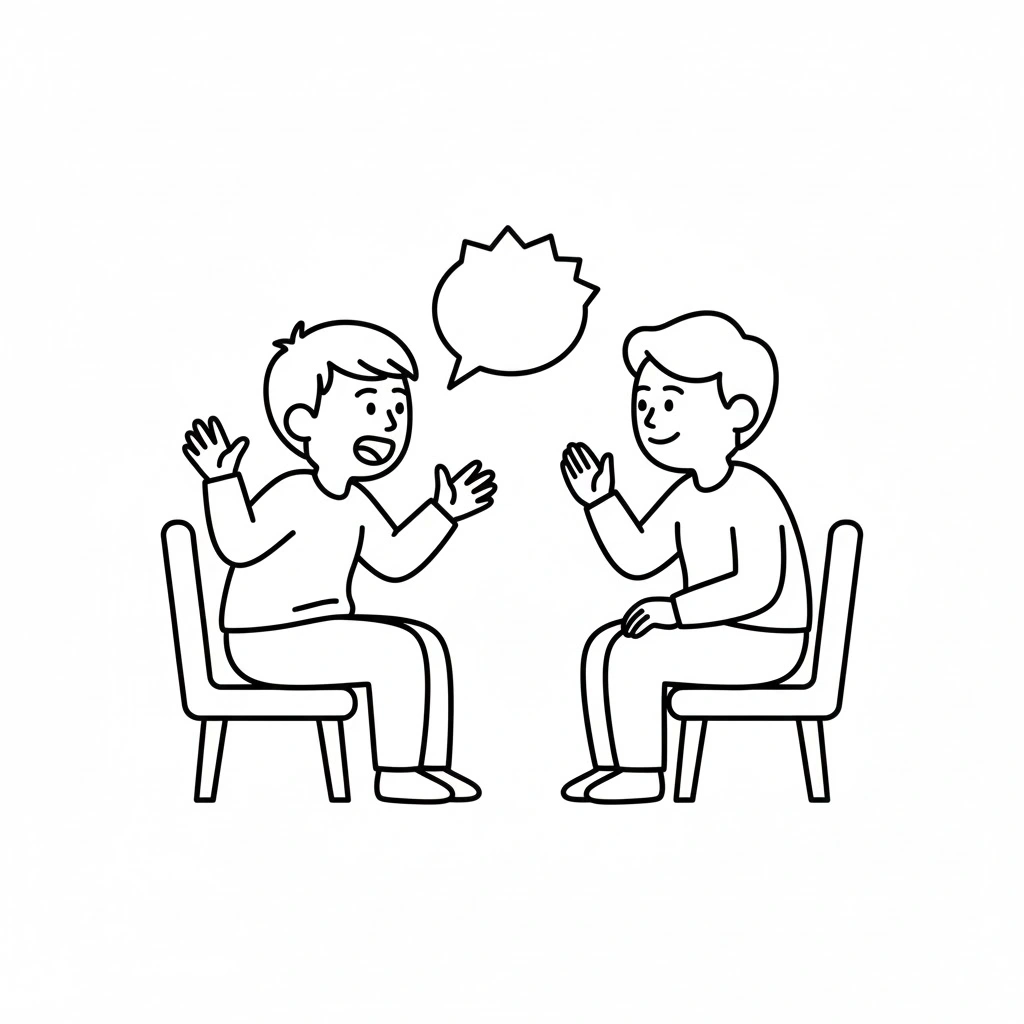
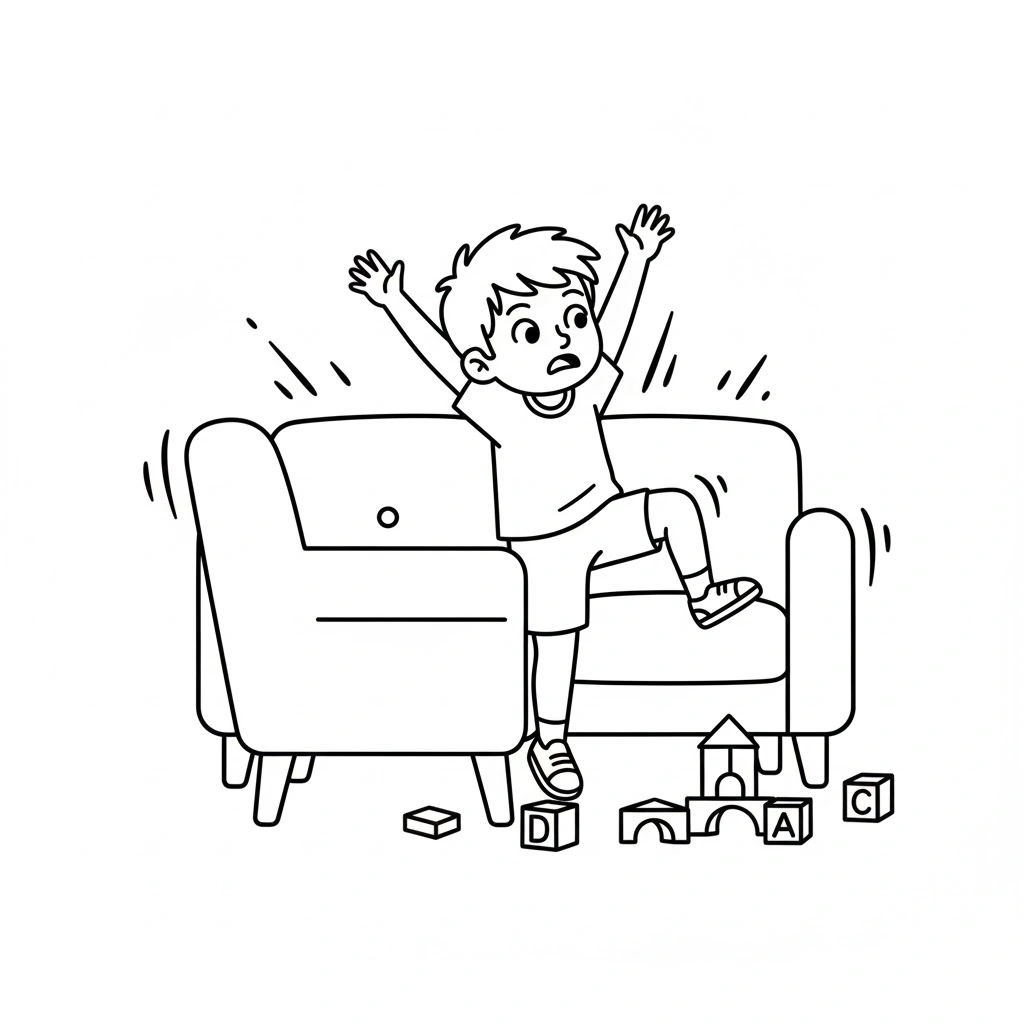
Constant restlessness or nervousness
Racing thoughts and difficulty concentrating
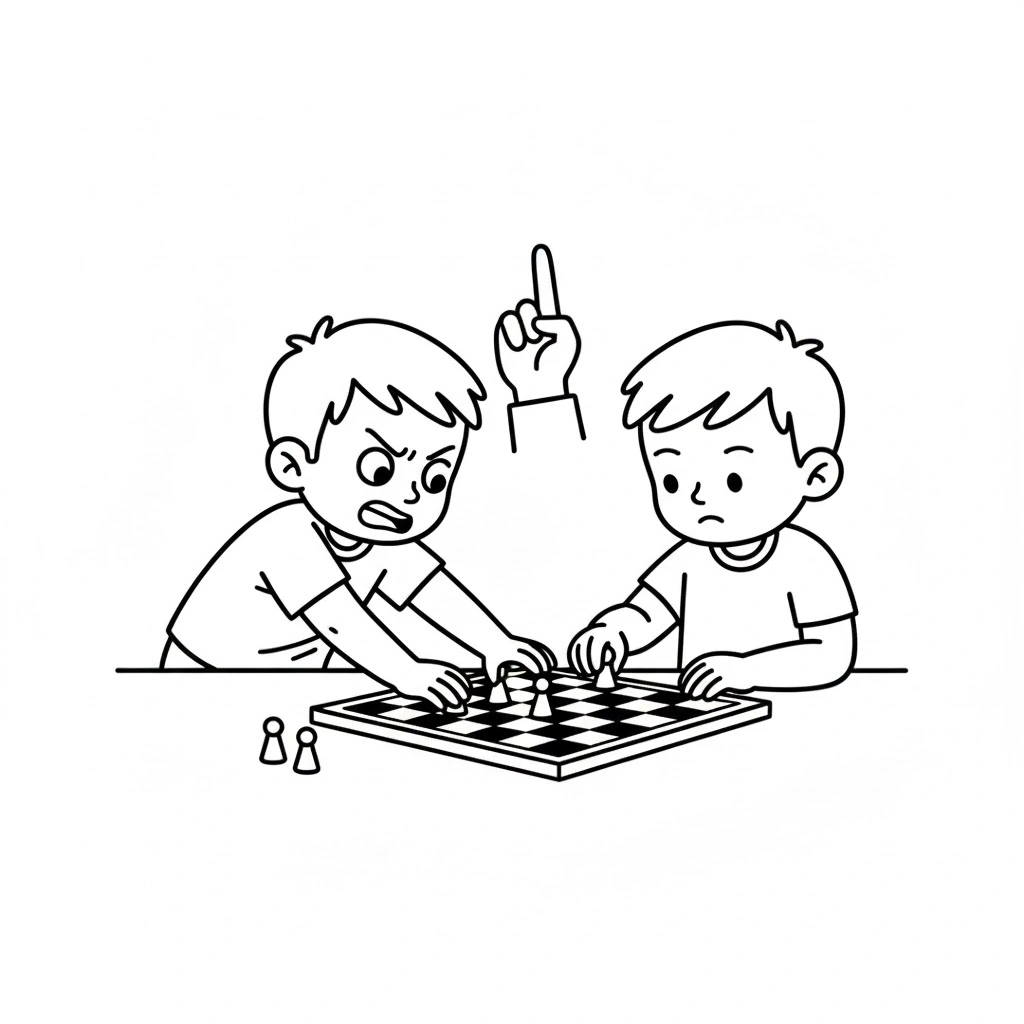
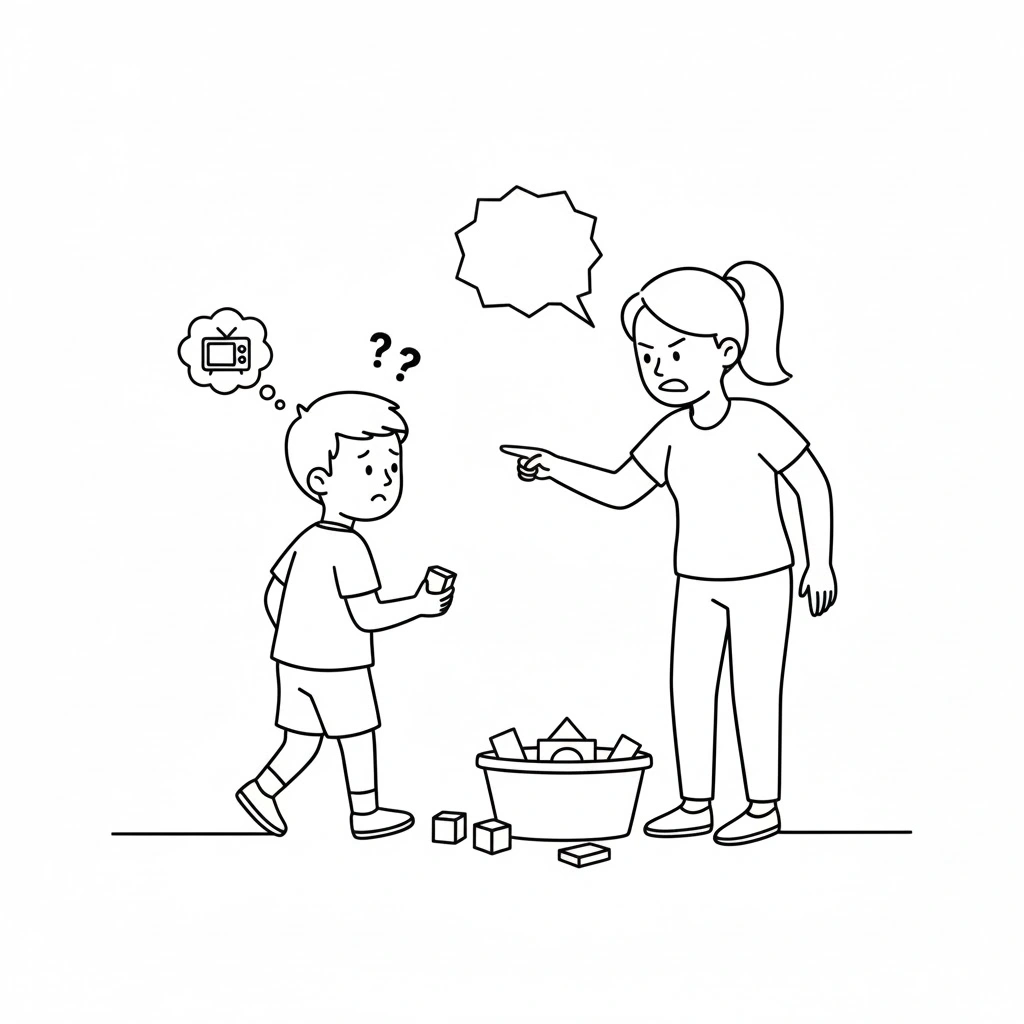
Irritability and sleep disturbances
Muscle tension, headaches, or stomach distress
Avoidance of social or work situations
Sudden panic attacks with palpitations and breathlessness

At Jeevaniyam, we understand how anxiety can silently take over life. Our Jeevashakthi approach blends modern psychological science, Ayurveda, and holistic therapies to help individuals regain calm and confidence.
 Modern Psychological Care
Cognitive Behavioral Therapy (CBT), relaxation techniques, exposure therapy, and mindfulness-based interventions.
Ayurveda & Lifestyle Integration
Herbal remedies, dietary guidance, daily routines, and calming practices to balance the nervous system.
Therapies for Emotional Regulation
Yoga, music therapy, meditation, and breathwork to reduce stress and anxiety symptoms.
AI-Centric Tools
Tracking progress, providing digital relaxation aids, and personalized therapy plans.
Family & Social Support
Counseling to improve relationships and create understanding within families and workplaces.

Occasional worry is normal. Anxiety disorder is when fear or worry is constant, excessive, and interferes with daily life.
Yes, including headaches, chest tightness, stomach issues, sweating, or racing heart.
Mild anxiety may ease with self-care, but persistent anxiety usually needs professional help.
No. Many cases improve with therapy, relaxation techniques, and lifestyle changes.
Yes, children may show it as clinginess, stomachaches, or refusal to go to school.


 About Us