



"My daughter speaks clearly and knows so many words, but conversations don’t flow the way they should. She struggles to take turns while talking, misses social cues, and often says things that seem out of place. Other kids sometimes walk away, and I see the confusion in her eyes. That’s when I realized it wasn’t about intelligence — it was Social Communication Disorder."
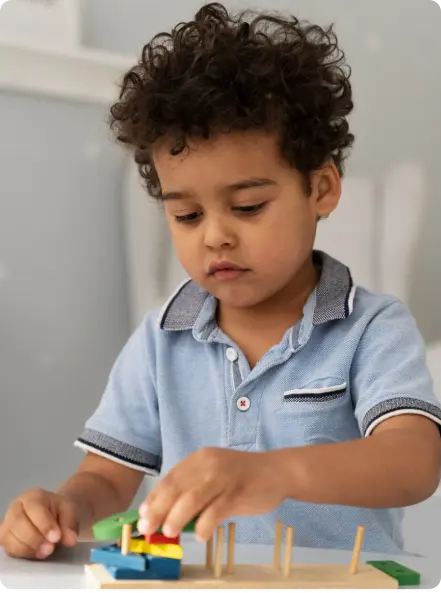
 Signs Parents May Notice at Home or School
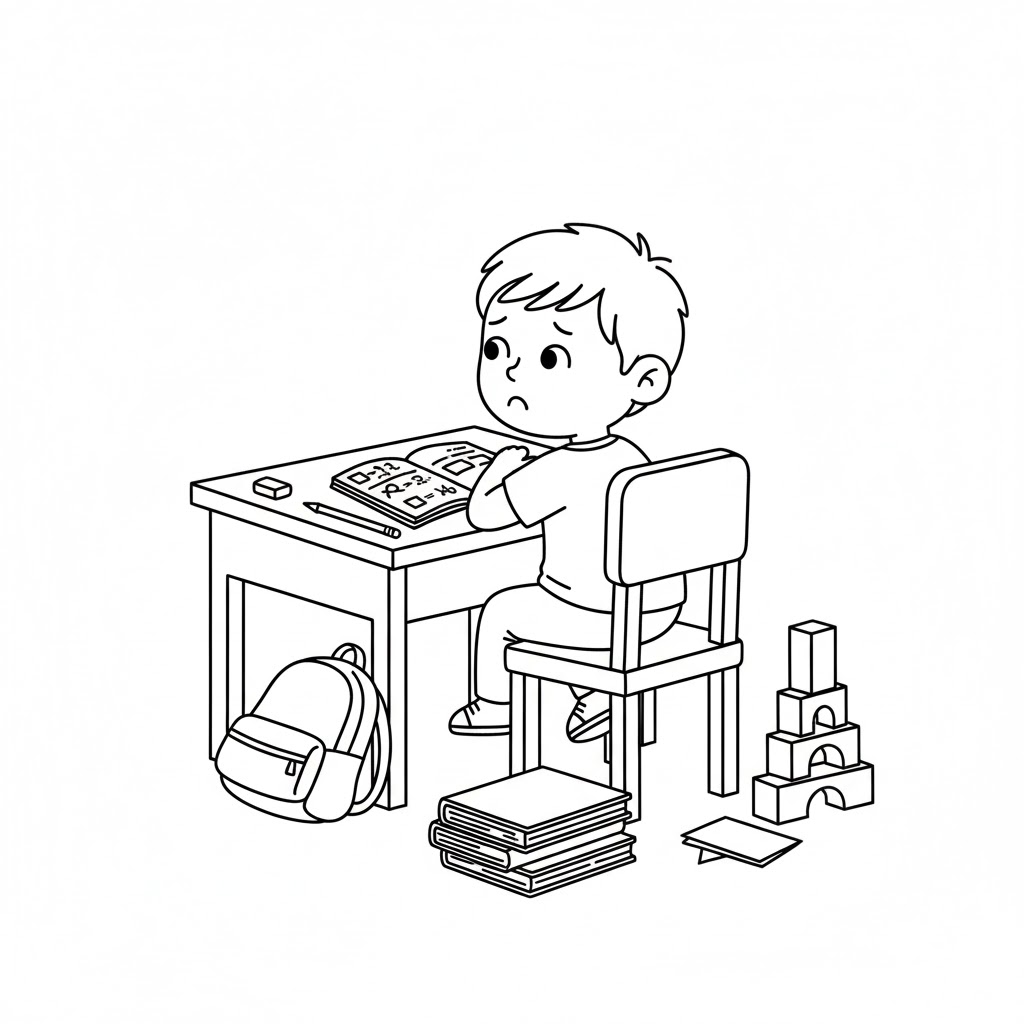
Talks a lot about their own interests but doesn’t notice when others lose interest. Has trouble taking turns in conversations — interrupts or goes silent. Struggles to stay on topic or gives too much / too little detail.
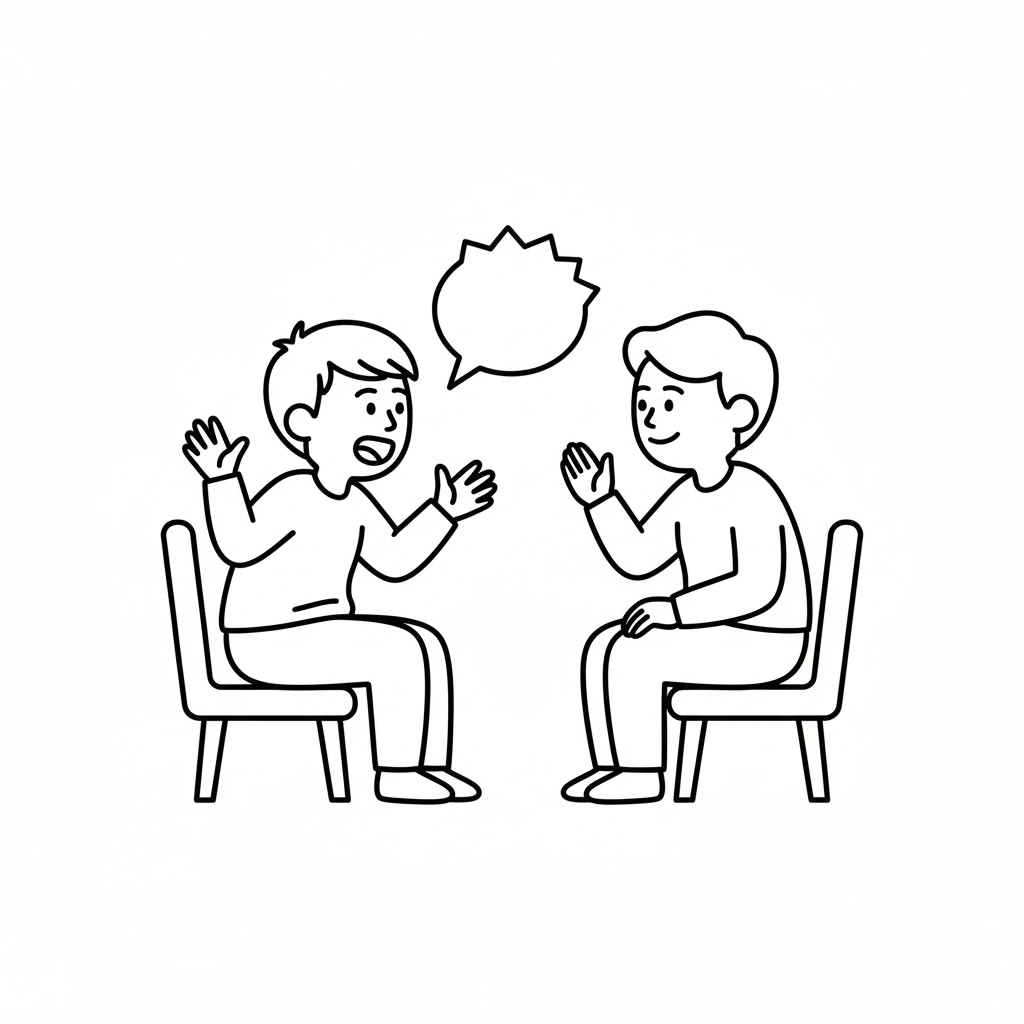
Doesn’t notice when someone looks bored, confused, or upset. Misunderstands jokes, sarcasm, or indirect requests. Often takes things very literally (“break a leg” causes confusion or worry).
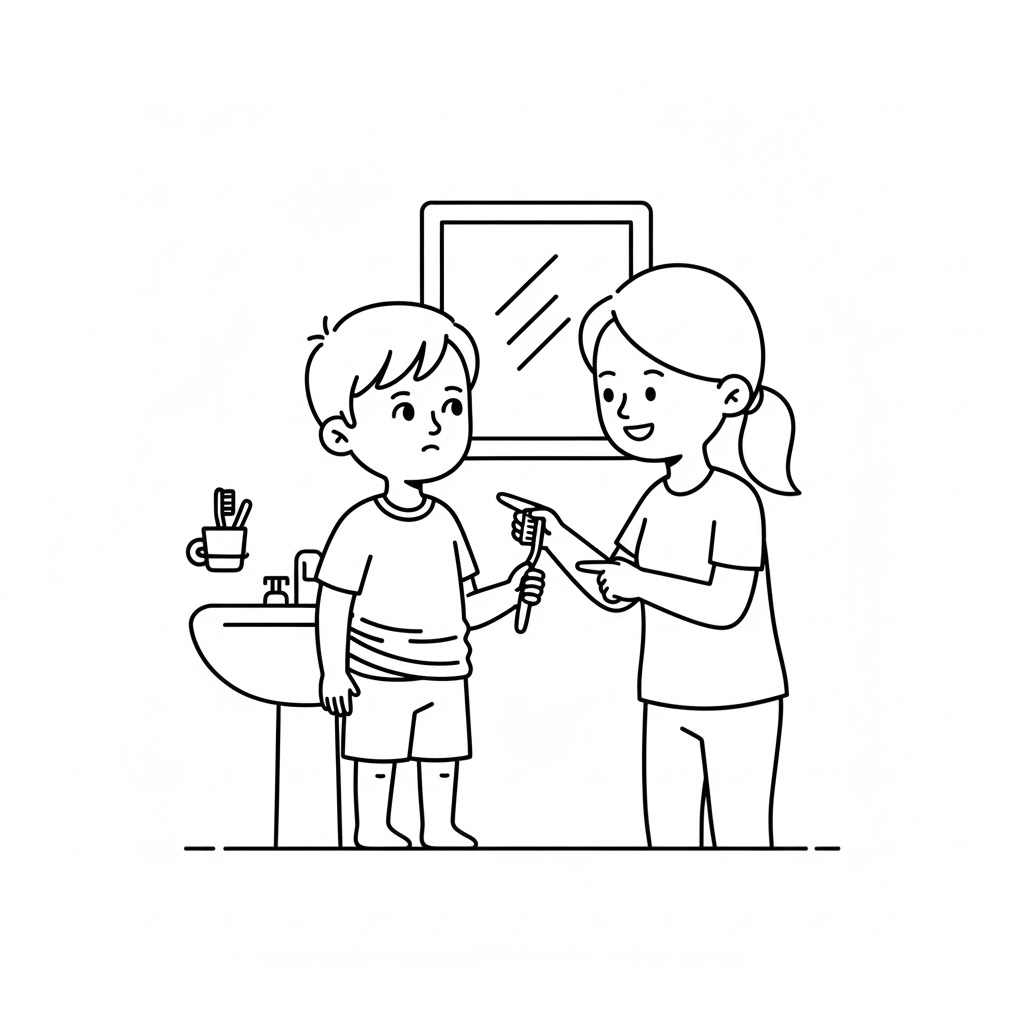
Finds it hard to make or keep friends. May not know how to join group play or conversations. Gets left out because peers feel the child’s responses are “odd” or “off.”
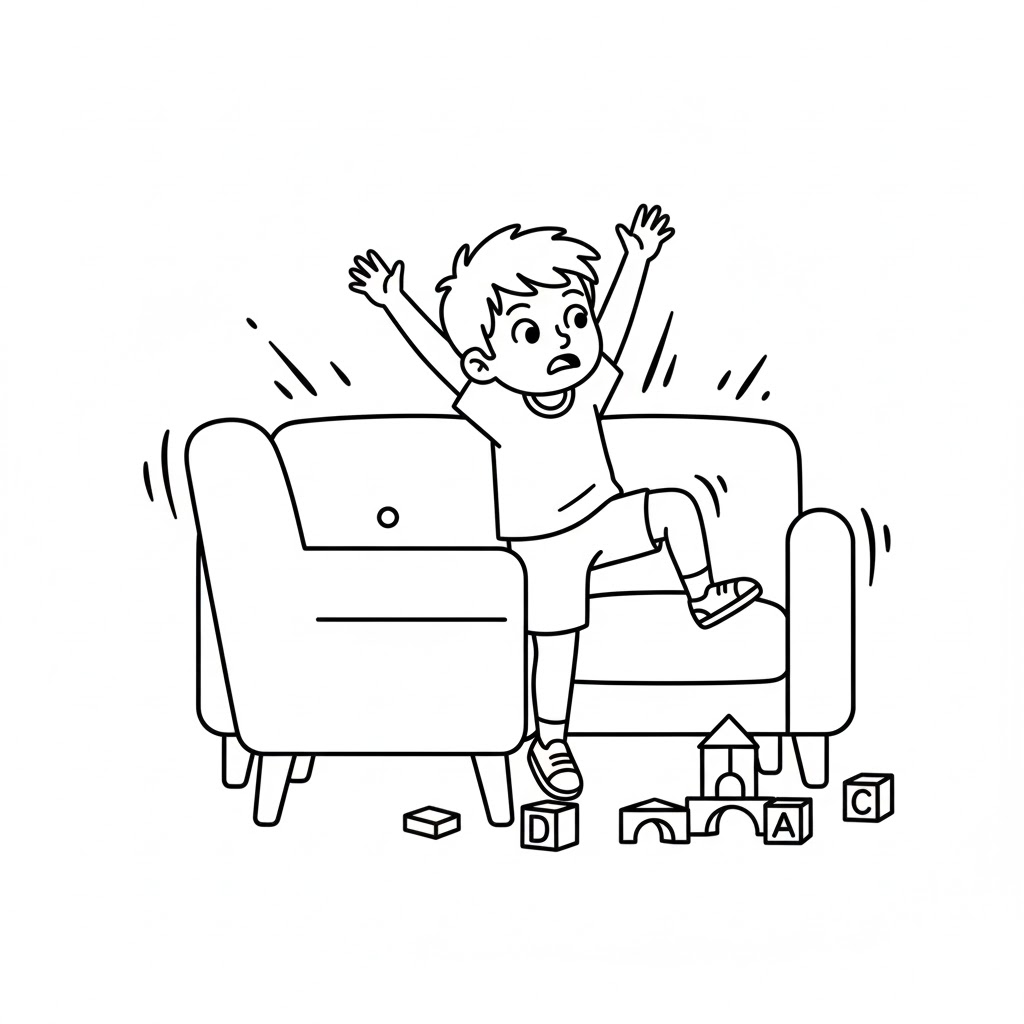
Struggles with group discussions, storytelling, or class participation. Teacher may say: “Very smart, but doesn’t get social rules.” Difficulty explaining ideas clearly to others.
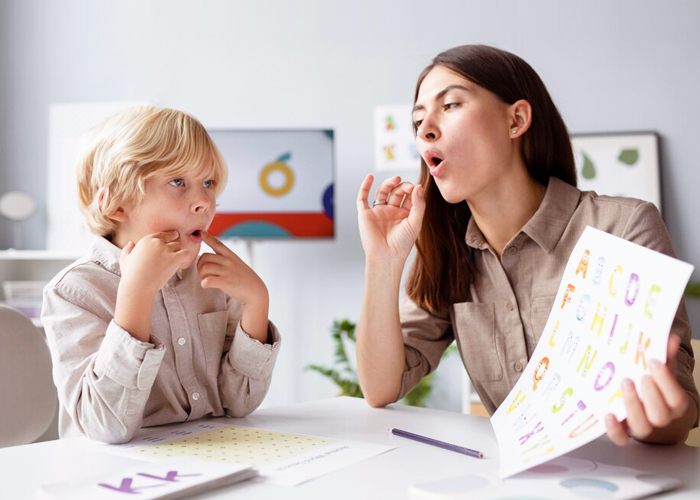
Communication is more than words — it’s about connection. Through Jeevashakthi, we integrate speech therapy, social skills training, Ayurveda for emotional regulation, counseling, and technology-driven practice tools. Our holistic care helps children build friendships, express themselves, and engage meaningfully with others.
 Speech & Language Therapy
Focused on pragmatic language skills, conversational turn-taking, storytelling, understanding idioms, and nonverbal communication.
Social Skills Training
Structured programs to practice peer interactions, perspective-taking, understanding social cues, and maintaining relationships.
Cognitive-Behavioral Therapy (CBT)
Helps manage anxiety, frustration, or social avoidance related to communication difficulties.
Group Therapy / Peer Interaction Programs
Guided social interaction in small groups to practice real-life social scenarios safely.
Play-Based Therapy
Using structured play to develop conversational skills, cooperation, and problem-solving in social contexts.
Parent-Mediated Training
Coaching parents to reinforce social communication skills at home and in community settings.
AI-Based Tools / Interactive Apps
For practicing pragmatic communication, turn-taking, and understanding social rules in a gamified format.
Modern Medicine Integration
Evidence-based assessments to differentiate SPCD from autism spectrum disorder, ADHD, or other communication disorders.
Ayurveda
Natural support to reduce anxiety, improve attention, and support social engagement.
Family Training & Support
Guidance for parents to model and encourage appropriate social communication, support peer relationships, and reinforce therapy strategies.
Long-Term Care
Ongoing support for conversational skills, social confidence, and successful peer interactions across school, home, and community settings.
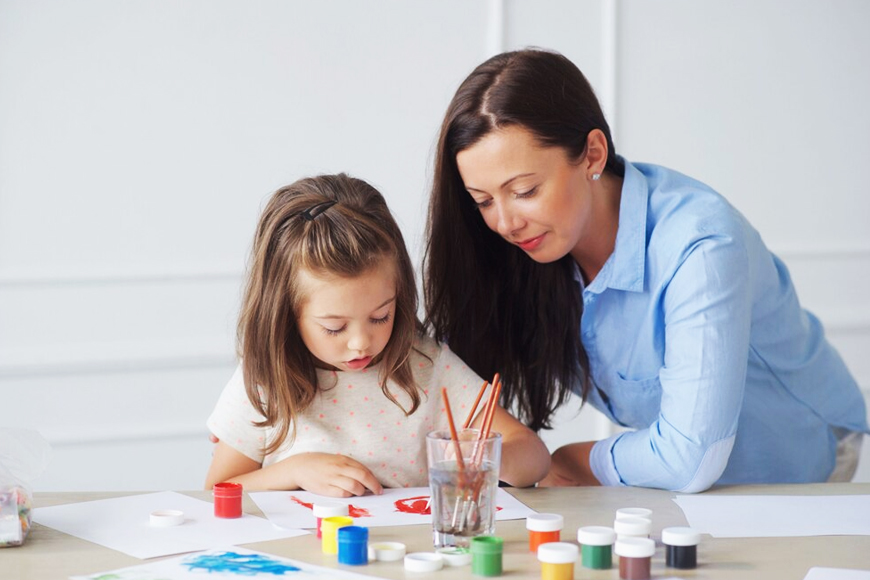
Signs usually appear in early childhood when children start interacting with peers and participating in group activities. Difficulties may include trouble joining conversations, understanding social rules, or responding appropriately to peers.
Children may struggle with group discussions, storytelling, class participation, following instructions, or understanding the teacher’s expectations. They may be labeled as “smart but socially awkward.”
Yes. Difficulty interpreting social cues and maintaining conversations can make it hard to form or keep friendships. Children may get left out or misinterpreted by peers, affecting social confidence.
Yes. Structured therapies such as speech and language therapy, social skills training, play-based therapy, cognitive-behavioral therapy, and parent-mediated coaching can significantly improve social communication, peer interactions, and confidence.
Parents can model conversational skills, practice role-playing social situations, reinforce therapy exercises, provide positive feedback, and encourage participation in group activities or safe peer interactions to build confidence and competence.


 About Us