



"For months, I lay awake staring at the ceiling. Even when I fell asleep, I woke up tired, restless, and irritable. Coffee became my survival tool, but my work, health, and relationships began to suffer. I thought it was just stress — but sleepless nights had quietly taken control of my life."
Sleep issues are more than just the occasional restless night. Conditions such as insomnia, irregular sleep cycles, or night terrors affect both mental and physical health. Poor sleep can worsen anxiety, depression, memory, and concentration, while also raising the risk of physical illnesses. Restful sleep is not a luxury — it is essential for well-being.
Insomnia
Difficulty falling asleep, staying asleep, or waking too early, often leading to fatigue, irritability, and poor concentration.
Sleep Apnea (Adults)
Breathing pauses or interruptions during sleep that cause frequent awakenings, daytime sleepiness, and reduced focus.
Restless Legs Syndrome (RLS)
Uncomfortable sensations in the legs with an urge to move, disrupting rest and making it hard to fall asleep.
Circadian Rhythm Disorders
Disturbed sleep-wake cycles caused by irregular schedules, shift work, jet lag, or biological disruptions.
Parasomnias
Unusual sleep behaviors such as sleepwalking, night terrors, or talking in sleep, often affecting both children and adults.
Sleep-Related Anxiety
Excessive worry about not sleeping well, which itself interferes with the ability to rest and recover.
 Signs to Watch For
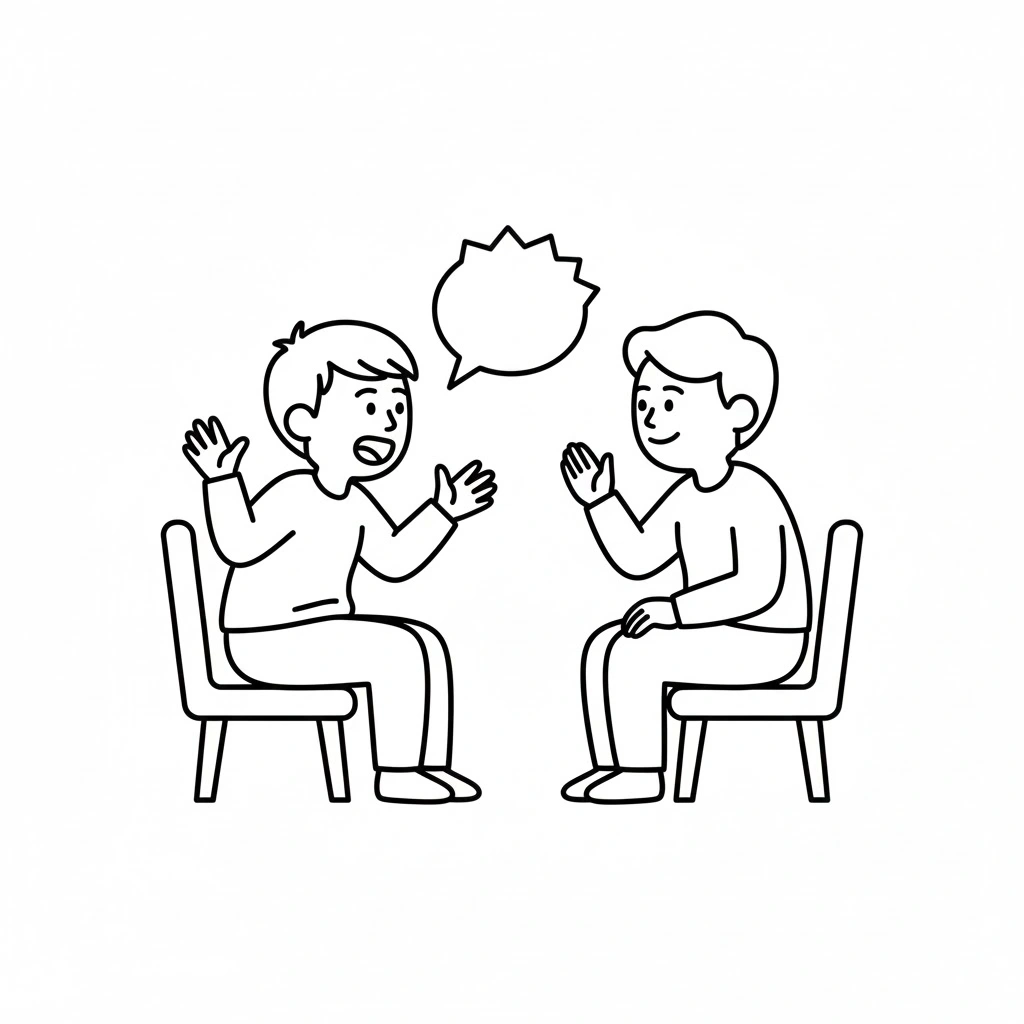
Difficulty falling or staying asleep for weeks or months
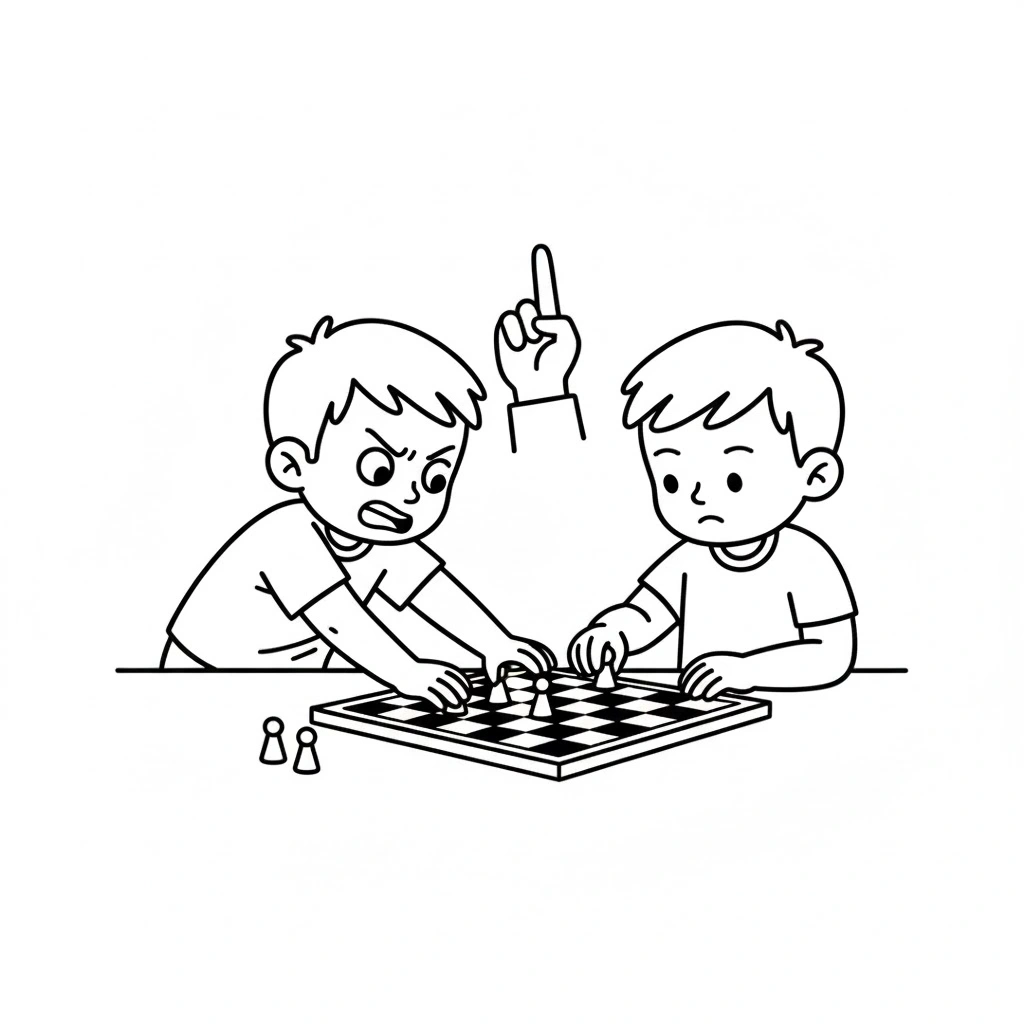
Daytime fatigue, irritability, or lack of focus
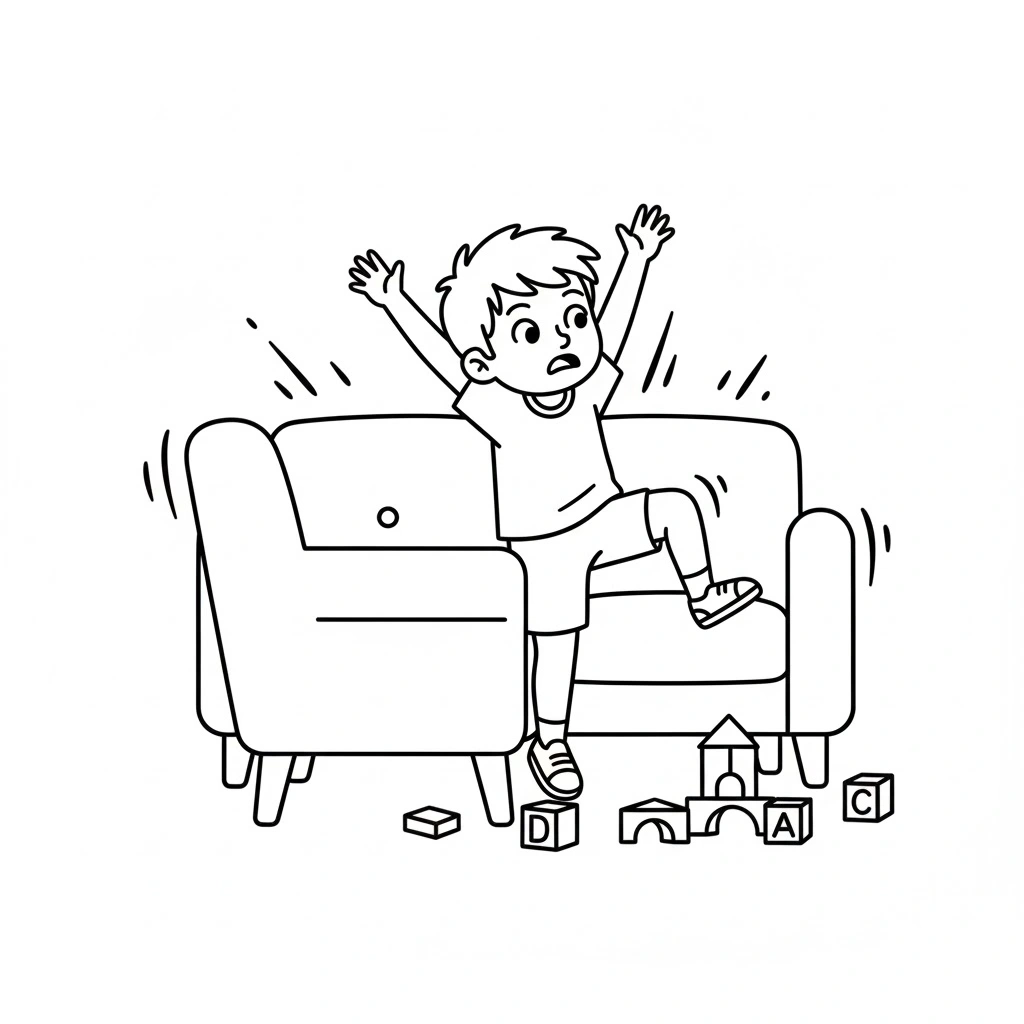
Loud snoring, choking, or gasping during sleep
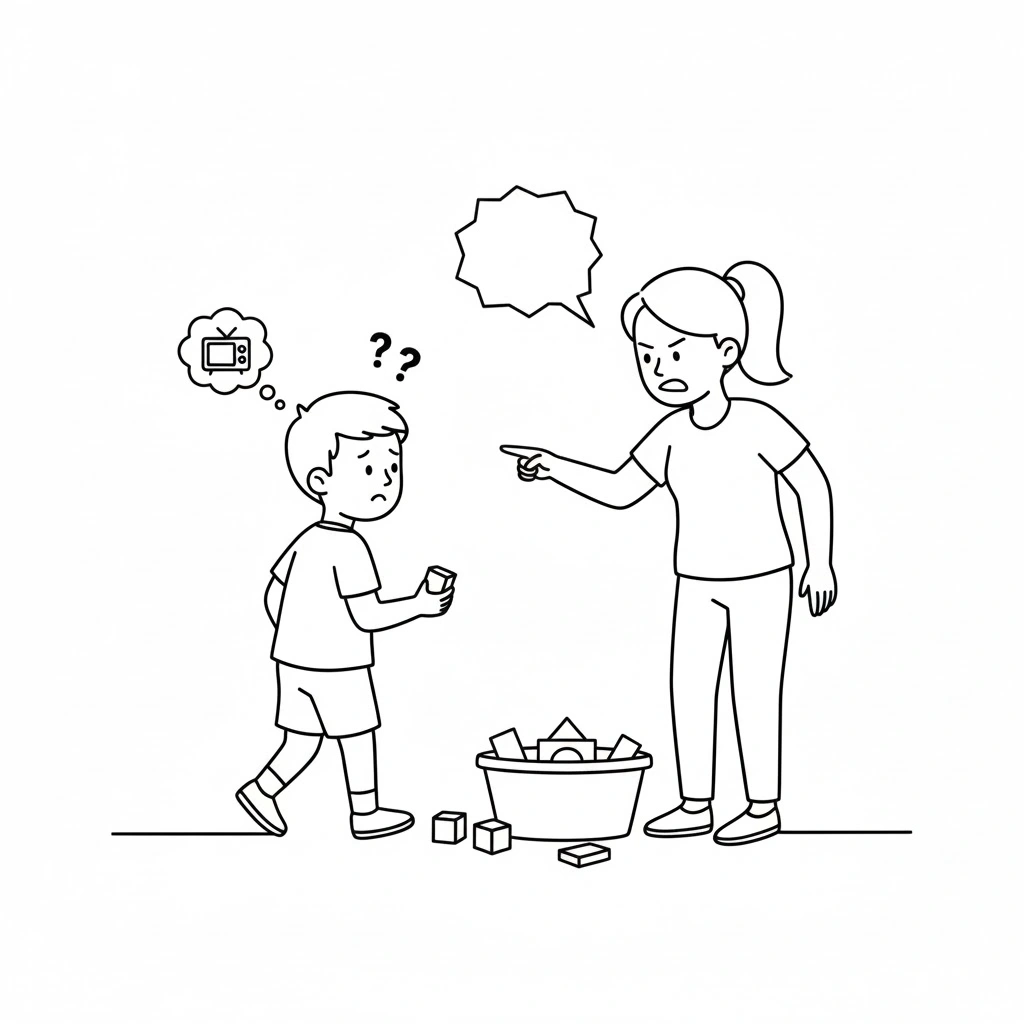
Unrefreshing sleep despite 7–8 hours in bed
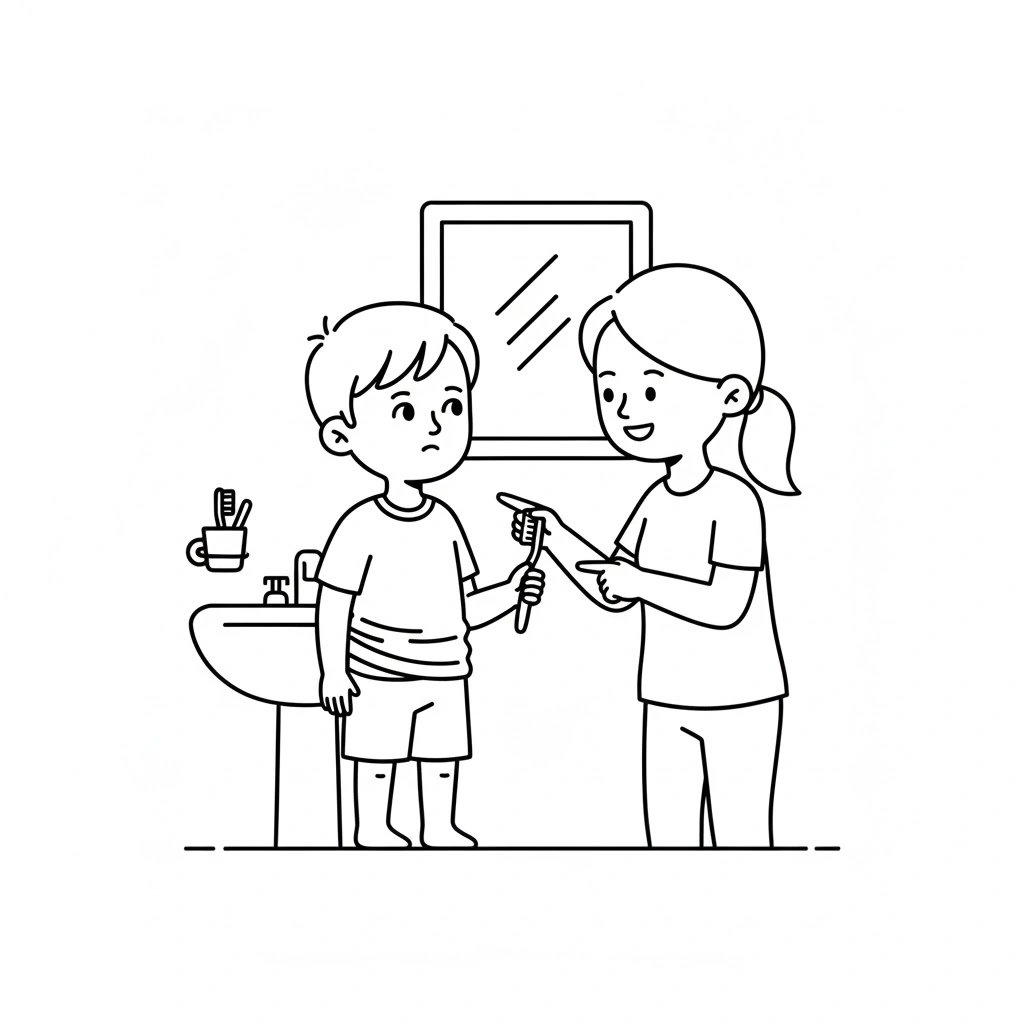
Restlessness, nightmares, or unusual behaviors during sleep
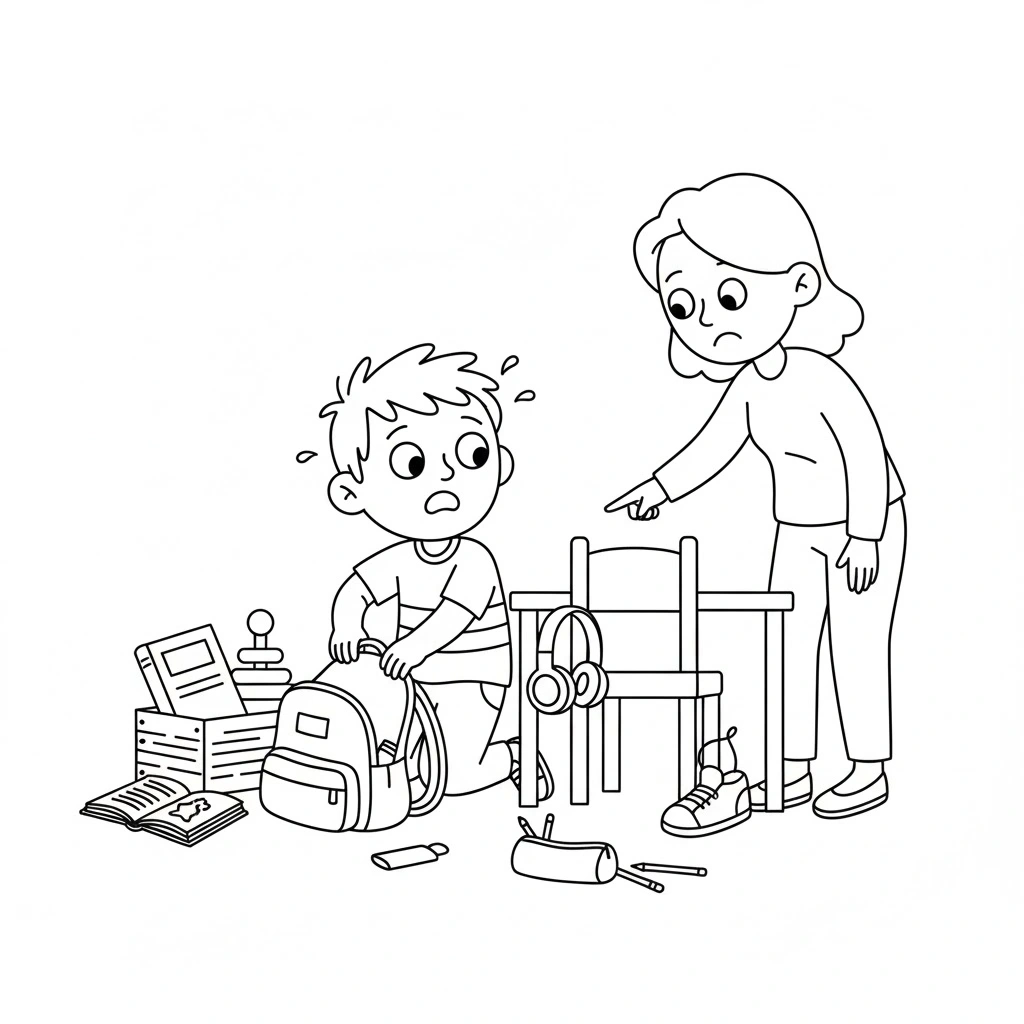
Sleep problems affecting work, mood, or relationships

At Jeevaniyam, we know that good sleep is the foundation of good health. Our Jeevashakthi approach addresses both the psychological and physical causes of sleep disturbances.
 Modern Psychological Care
Cognitive Behavioral Therapy for Insomnia (CBT-I), relaxation training, and stress management.
Medical & Lifestyle Support
Sleep hygiene training, breathing practices, and medical coordination for conditions like sleep apnea.
Ayurveda & Natural Healing
Herbal remedies, diet corrections, and calming daily routines to restore balance.
Holistic Therapies
Yoga nidra, mindfulness, pranayama, and music therapy to promote deep relaxation.
AI-Centric Tools
Sleep tracking, personalized routines, and digital relaxation aids.

Insomnia, sleep apnea, restless legs syndrome, and narcolepsy.
Yes, stress is a major trigger for insomnia.
On average, 7–9 hours per night.
Yes, chronic poor sleep increases risk of heart disease, obesity, and mood problems.
Yes, through sleep hygiene, therapy, and sometimes medication.


 About Us