



“I noticed my little one putting strange things in her mouth - chalk, mud, even paper. At first, I thought it was just a phase, but it continued. I feared for her safety and health. That’s when I learned it was Pica - when children eat non-food items because their body or mind is asking for something they need.”
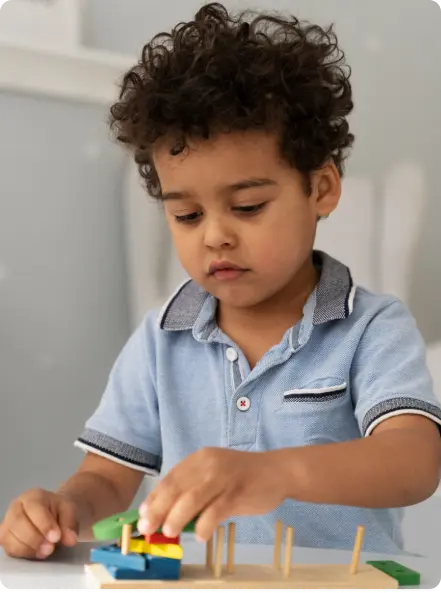

When eating habits go beyond picky eating like Pica, where children consume non-food items it can affect both health and development. At Jeevaniyam, our Jeevashakthi approach looks beyond the behavior to its root causes. We combine Ayurvedic nutrition and digestive health support, behavioral therapy, sensory regulation strategies, and medical monitoring. This holistic care ensures safety, strengthens nutrition, and supports overall growth.
 Ayurvedic Care
Natural therapies to correct deficiencies, improve digestion, balance appetite, and support healthy growth.
Behavior Therapy
Structured strategies to build safe eating habits, manage mealtime behaviors, and reduce food refusal or over-restriction.
Sensory Integration Therapy
Helping children gradually tolerate a wider variety of textures, tastes, smells, and temperatures.
Medical Monitoring
Regular check-ups to track growth, nutrition, hydration, and prevent complications such as deficiencies or infections.
Speech and Occupational Therapy
Oral-motor exercises to improve chewing, swallowing, and coordination for feeding.
Cognitive-Behavioral Therapy
Addressing anxiety, fear of eating, and emotional triggers affecting food intake.
Diet & Nutrition Guidance
Personalized meal plans, strategies for introducing new foods, and ensuring balanced nutrition.
Family Training and Support
Coaching caregivers on positive mealtime strategies and emotional support.
Mind-Body Therapies
Relaxation, yoga, and mindfulness to reduce mealtime anxiety and improve self-regulation.
Long-Term Care
Continuous monitoring and therapy adjustments to maintain healthy eating patterns and overall development.

If your child consistently eats non-food items, refuses many food groups, shows poor nutrition, or experiences digestive or weight issues beyond toddler age, it may indicate an eating disorder like Pica or extreme picky eating.
Yes. Eating non-food items can lead to constipation, infections, poisoning, stomach pain, or nutrient deficiencies. Prompt evaluation and intervention are important for safety.
Therapies include natural Ayurvedic support for digestion and growth, behavior therapy for safe eating habits, sensory integration for food sensitivities, medical monitoring for health and nutrition, cognitive-behavioral therapy for anxiety or fear around eating, speech and occupational therapy for chewing and swallowing, personalized diet guidance, mind-body practices like yoga and relaxation, and family training to reinforce strategies at home.
Parents can reinforce structured mealtime routines, offer safe foods, reduce stress around eating, model healthy eating, and collaborate with therapists to implement strategies consistently at home.
Eating habits improve gradually. Long-term monitoring, therapy adjustments, and family involvement are key to maintaining safe, healthy eating patterns and overall development.


 About Us