



"After losing my job, I thought I would bounce back quickly. But weeks turned into months, and I couldn’t sleep, felt irritable all the time, and avoided friends. Later, when I survived a car accident, the nightmares and flashbacks made it even harder. I couldn’t explain why I was always on edge, why small things triggered so much fear. My life felt stuck between the past and the present."
Life changes and traumatic events affect everyone differently. For some, stress may cause temporary emotional and behavioral difficulties (Adjustment Disorders). For others, trauma may leave lasting scars, leading to Post-Traumatic Stress Disorder (PTSD) — with flashbacks, nightmares, and avoidance behaviors. These conditions are not signs of weakness, but natural responses when the mind and body are overwhelmed. With the right care, recovery is possible.
 Signs to Watch For
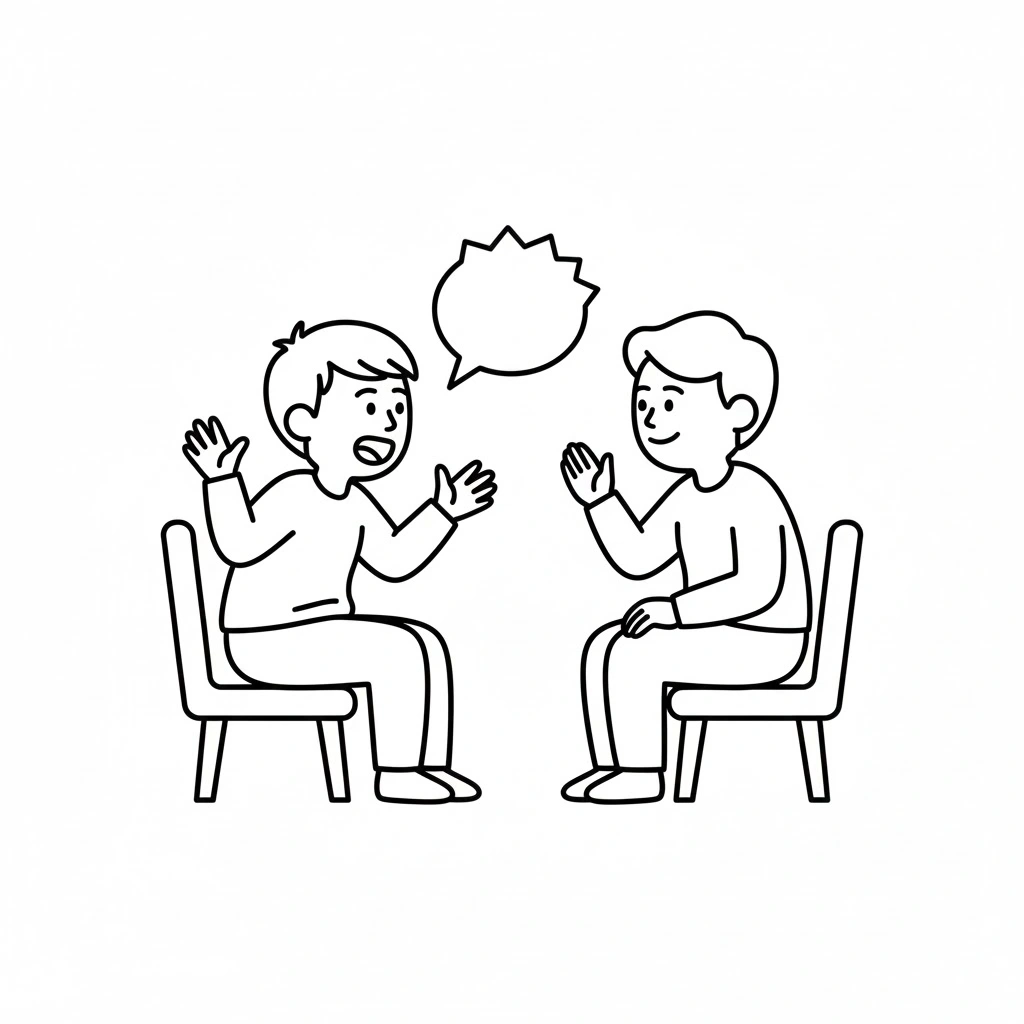
Persistent sadness, anxiety, or mood swings after a stressful event
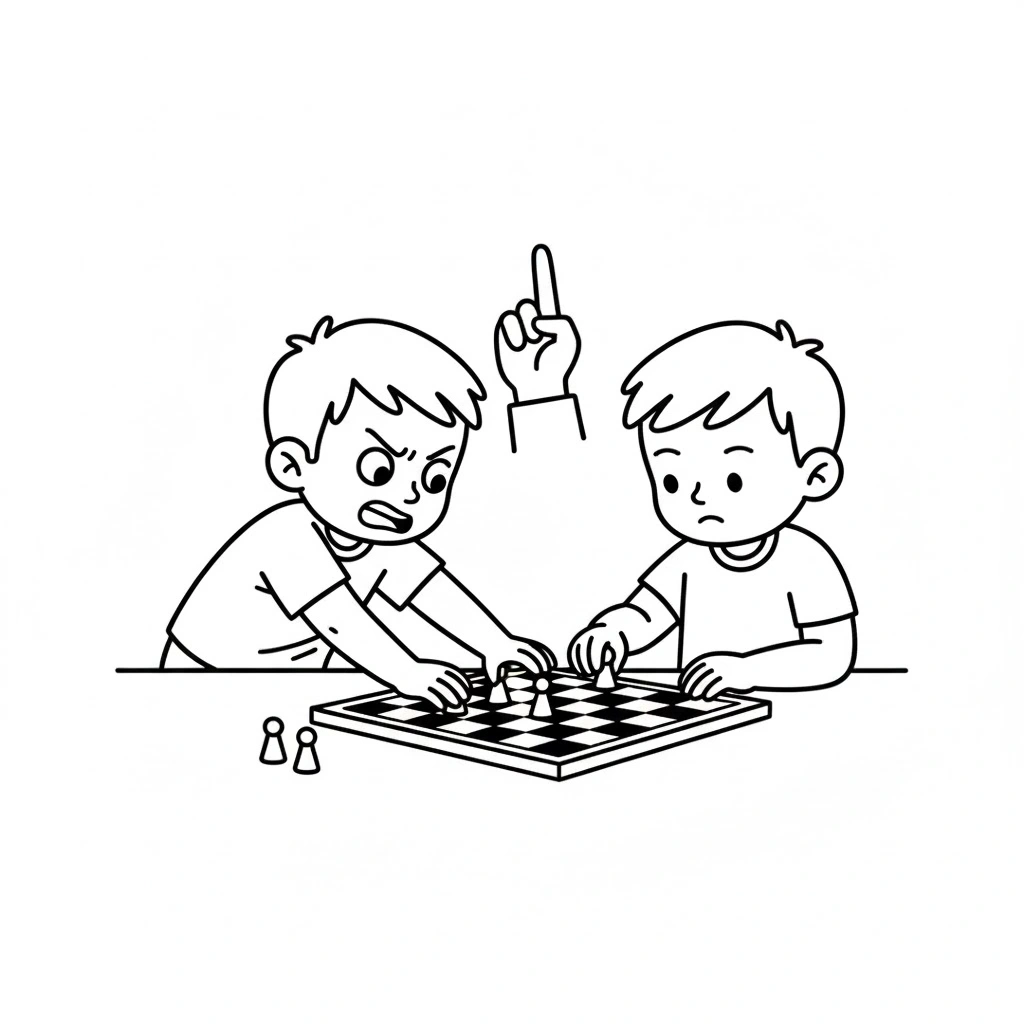
Avoidance of reminders of trauma (places, people, situations)
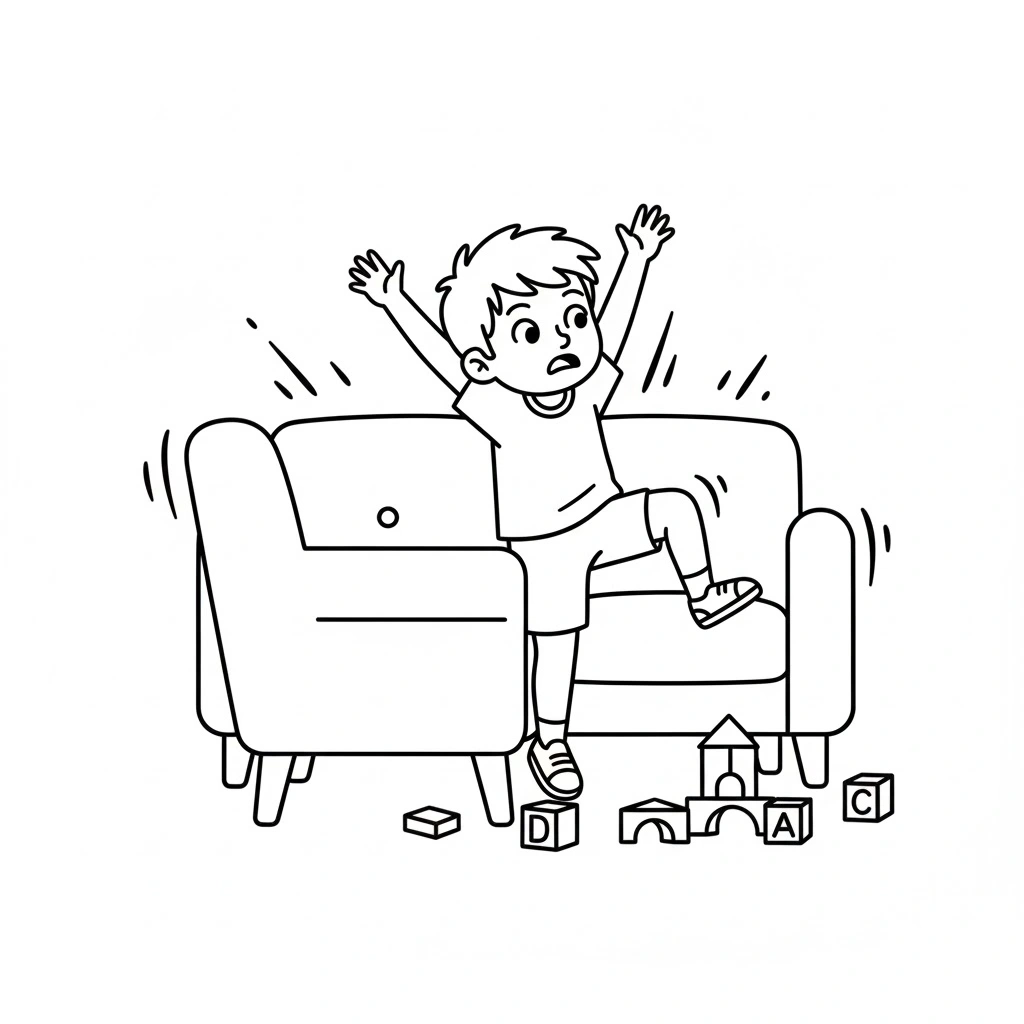
Nightmares or flashbacks that feel real
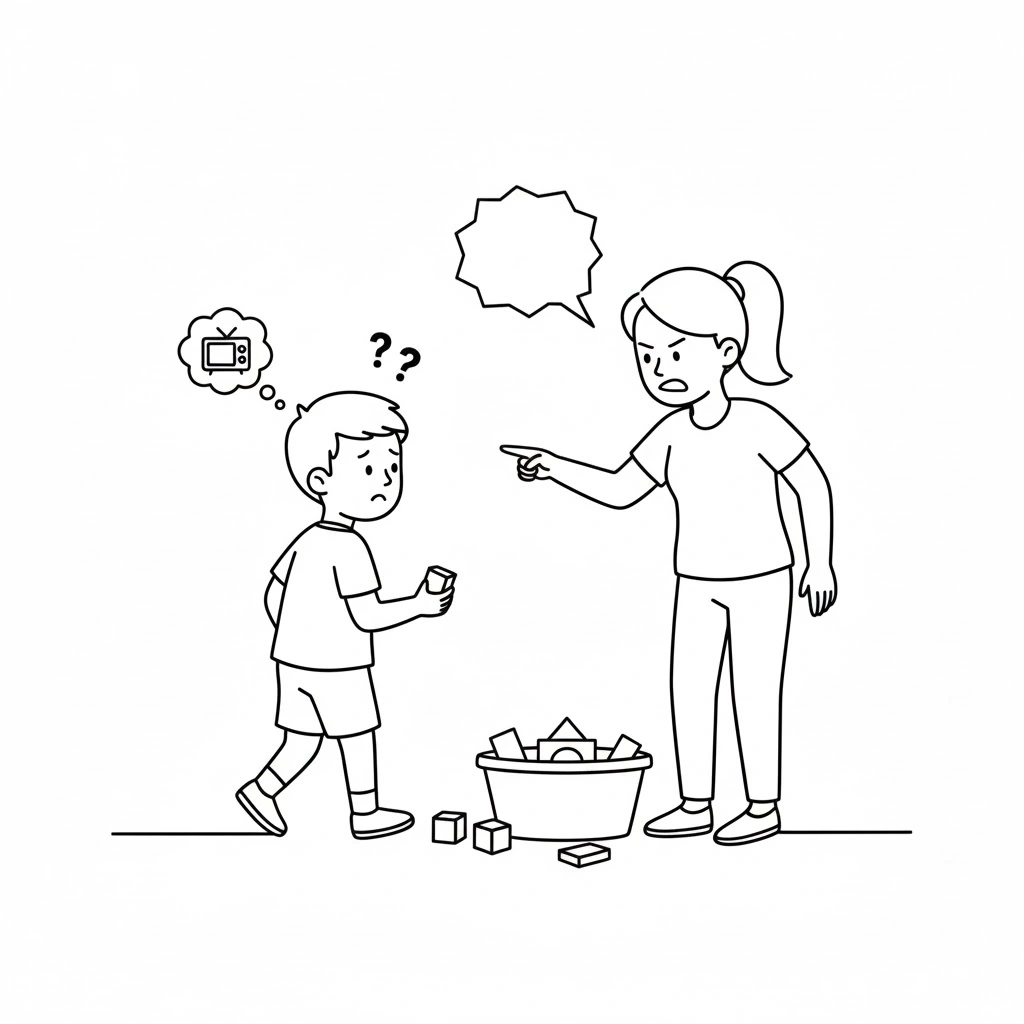
Hypervigilance — always feeling “on guard”
Difficulty concentrating, sleeping, or managing daily responsibilities
Withdrawal from relationships and activities once enjoyed

At Jeevaniyam, we understand that trauma and stress leave not only emotional but also physical imprints on the body. Our Jeevashakthi approach combines evidence-based trauma therapies, Ayurveda, and holistic practices to support recovery.
 Modern Psychological Care
Trauma-focused Cognitive Behavioral Therapy (CBT), EMDR, exposure therapy, and supportive counseling.
Ayurveda & Lifestyle Healing
Herbal remedies, diet, and lifestyle routines to calm the nervous system and reduce stress reactivity.
Holistic Therapies
Yoga, pranayama, meditation, and music therapy to ground the body and mind.
AI-Centric Tools
Monitoring triggers, progress tracking, and personalized therapy plans for long-term recovery.
Family & Caregiver Support
Training families to provide safety, understanding, and encouragement in the healing process.

Post-Traumatic Stress Disorder occurs after experiencing or witnessing a traumatic event, with symptoms like flashbacks, nightmares, and hypervigilance.
Yes, children may re-experience trauma through play, nightmares, or withdrawal.
Adjustment disorder happens after a major stressor and usually improves within months, while PTSD is more severe and long-lasting.
Yes, short-term stress is normal, but if symptoms last beyond a month, professional help is needed.
Yes, with therapy, support, and sometimes medication.


 About Us