



"It happened again. I shouted at my colleague over something small, and within seconds I was throwing things across the room. The anger came out of nowhere, like a fire I couldn’t stop. Moments later, I felt ashamed, wondering why I couldn’t control myself. I promised my family it wouldn’t happen again — but the cycle kept repeating."
Intermittent Explosive Disorder (IED) is a condition marked by sudden, intense outbursts of anger or aggression that are out of proportion to the situation. These episodes may involve shouting, physical aggression, or destructive behavior, followed by regret or guilt. IED can strain relationships, affect work performance, and harm emotional well-being. Importantly, these outbursts are not “bad temper” — they are symptoms of a treatable disorder.
Possible Causes
• Imbalances in brain chemicals (serotonin, dopamine)
• Genetic predisposition or family history of anger issues
• Childhood trauma, abuse, or early exposure to violence
• Co-occurring mental health conditions like anxiety or depression
 Common Signs of IED
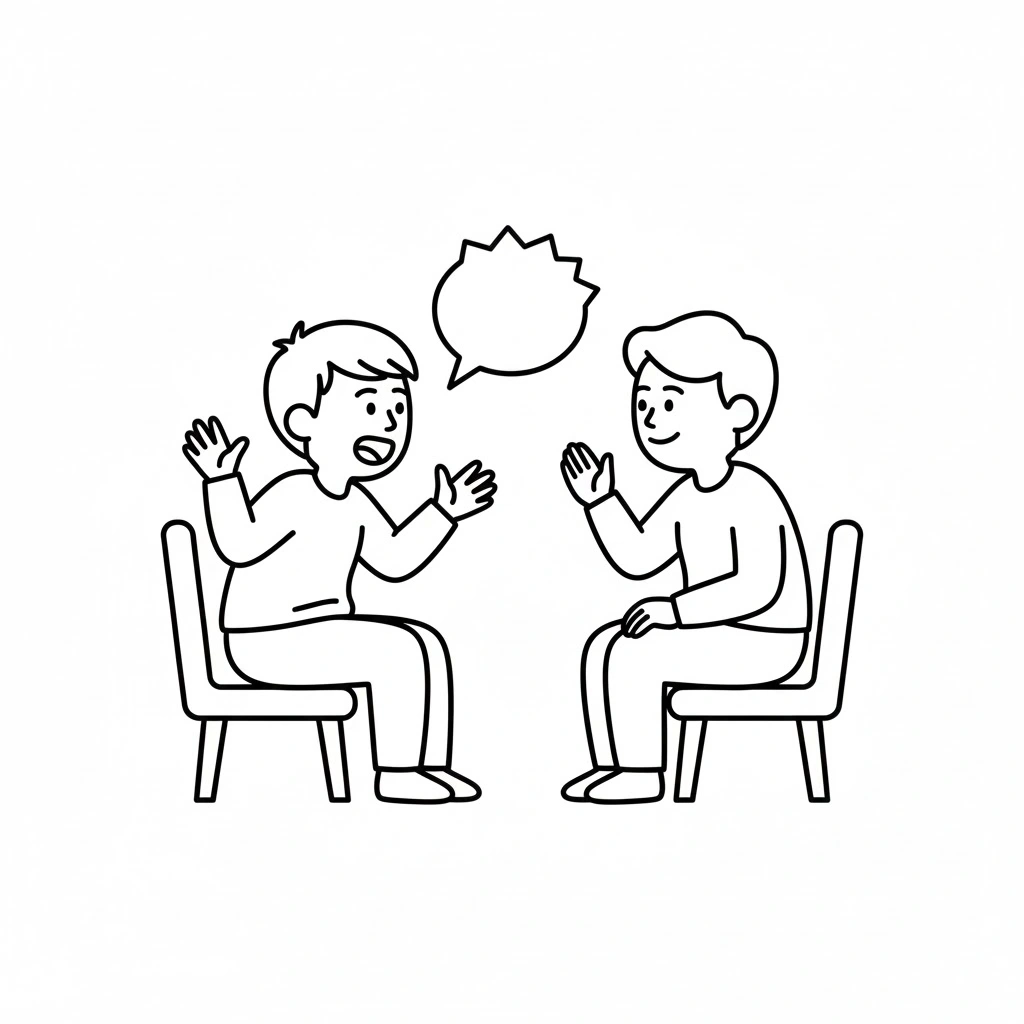
Repeated episodes of explosive anger or aggression
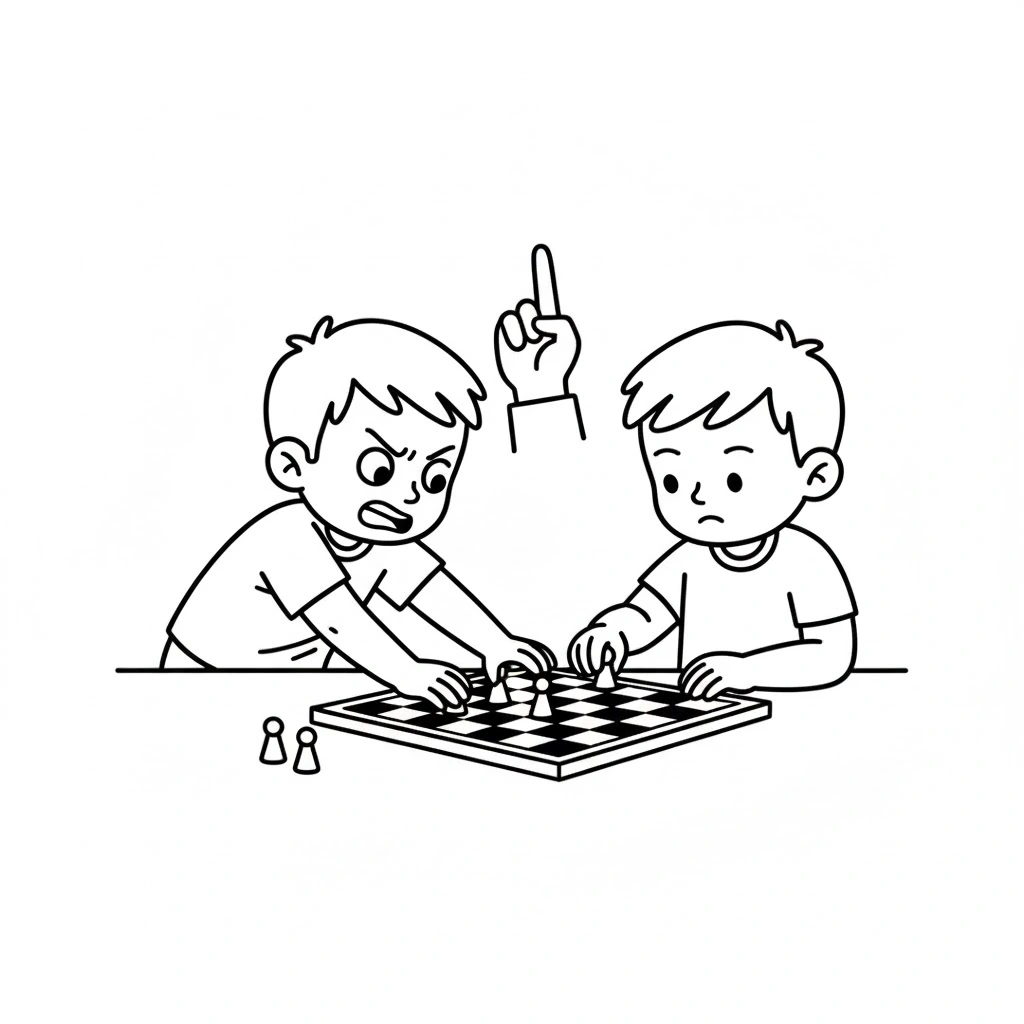
Outbursts lasting less than 30 minutes but causing major disruption
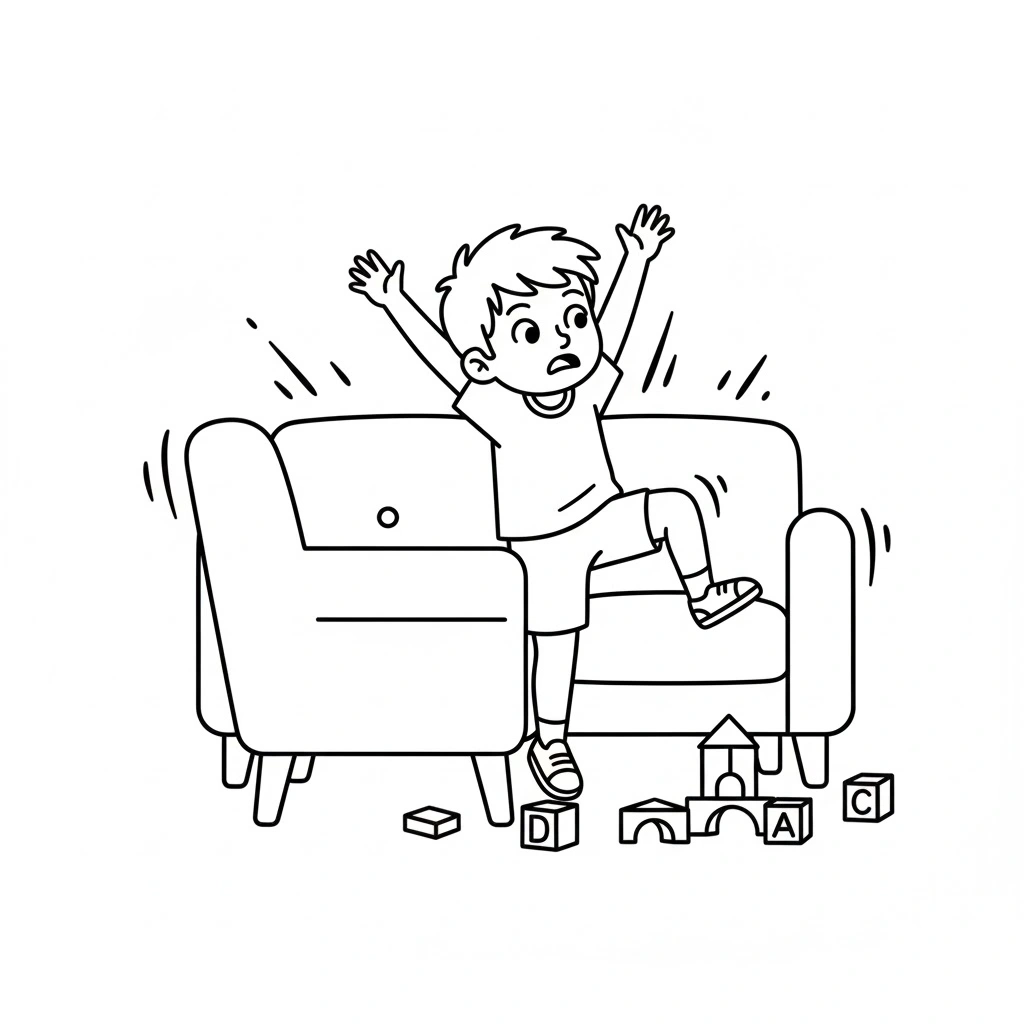
Overreacting to minor frustrations or stressors
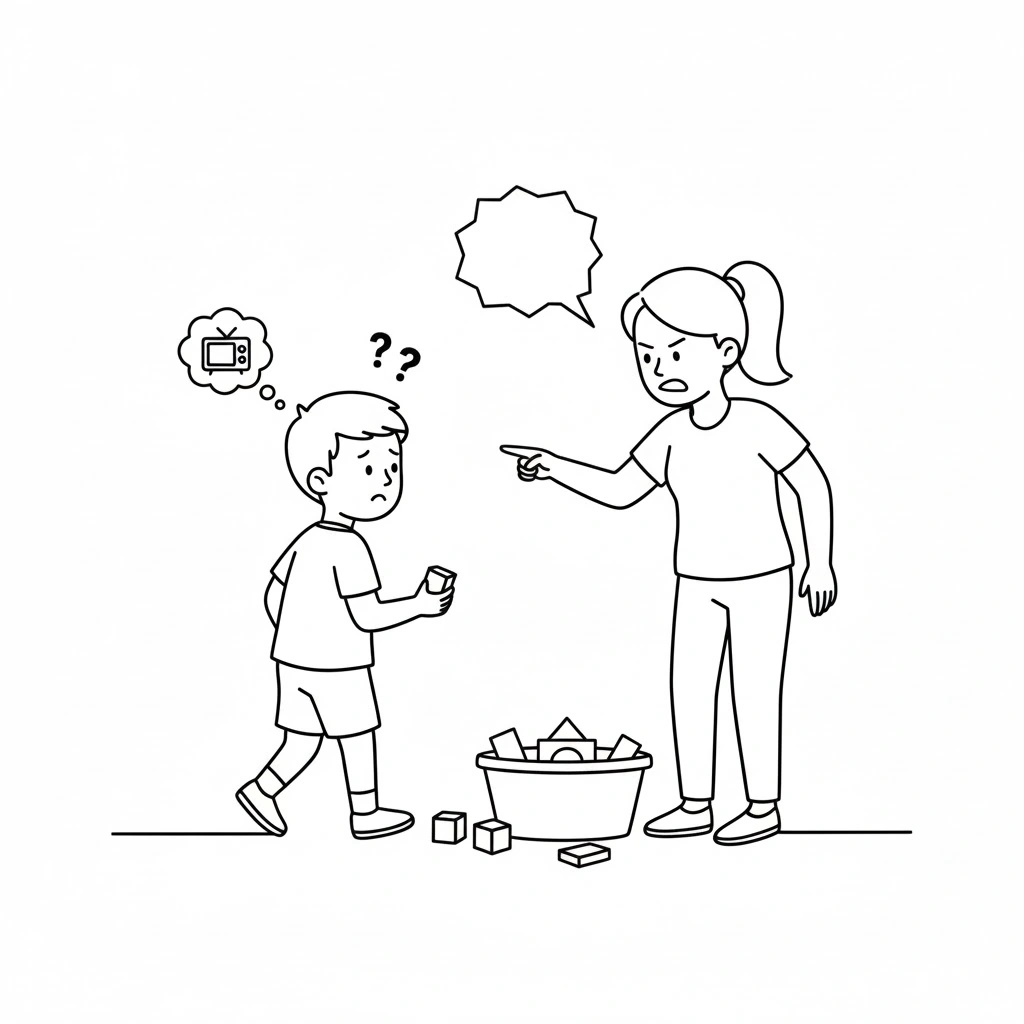
Physical symptoms during outbursts (racing heart, tight chest, shaking)
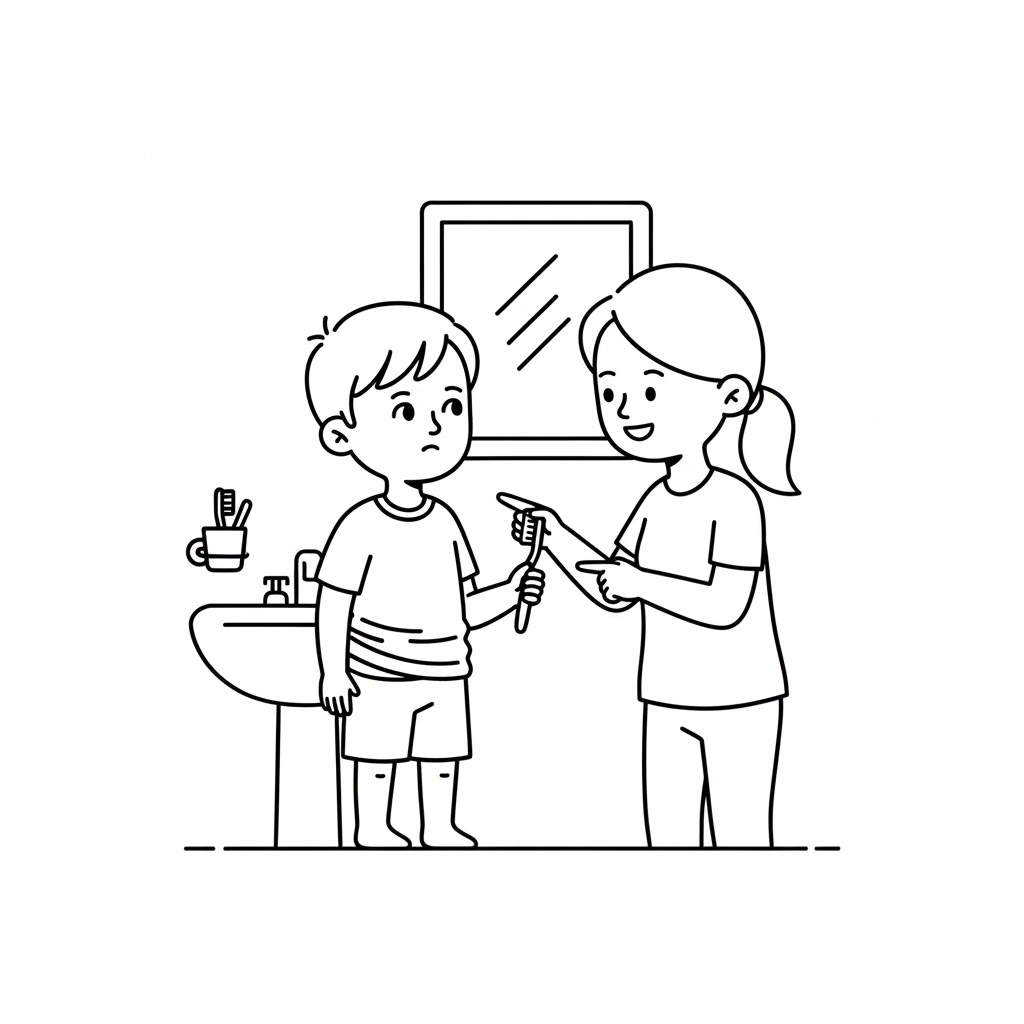
Regret, shame, or depression after losing control
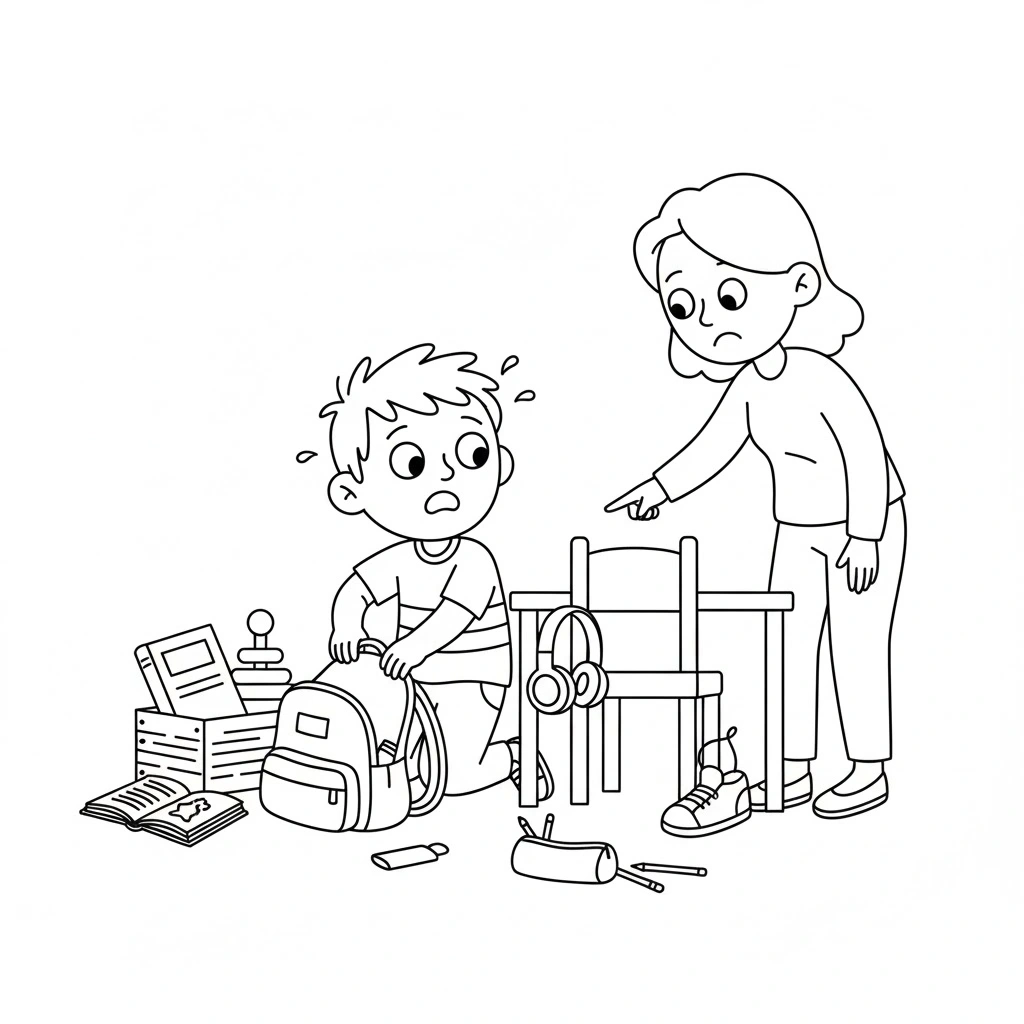
Negative impact on relationships, school, or work life

At Jeevaniyam, we understand that IED is not about “bad behavior”- it is a condition that requires professional, compassionate care. Our Jeevashakthi approach helps individuals learn to control their emotions and rebuild healthier relationships.
 Modern Psychological Care
Cognitive Behavioral Therapy (CBT), anger management training, relaxation and coping strategies, and when needed, psychiatric interventions.
Ayurveda & Lifestyle Healing
Herbal remedies, diet plans, and calming routines to balance the nervous system.
Holistic Therapies
Yoga, pranayama, meditation, and music therapy to reduce stress and promote emotional regulation.
AI-Centric Tools
Monitoring emotional triggers, tracking outbursts, and providing personalized regulation strategies.
Family Counseling
Helping families understand the disorder and learn healthier ways to support their loved one.

A disorder involving repeated episodes of impulsive aggression, such as shouting or physical outbursts.
The reaction is much more intense than the situation warrants, and people often regret it afterward.
It often starts in childhood or adolescence.
Yes, with therapy, coping strategies, and sometimes medication.
Not always. While outbursts can be intense, many people with IED are not violent outside of episodes.


 About Us