
From childhood to adulthood to youthhood everyone has a different journey. Yet, some common things are universal. When it comes to autism spectrum disorder even that is different. Especially, we need to talk about entering adolescence.
Adulthood or adolescence is indeed a time of big changes. So just imagine, how challenging it would be for a child with autism. Furthermore, it will be even more challenging for girls with autism. Not just the challenges caused by the drastic physical changes. There are challenges ranging from social struggles to sensory sensitivities to overcome. And, who should help them with that? We all, as a society and we, as a responsible autism care center.
To help girls with autism to overcome their adulthood challenges, we must understand them clearly. Here, we are breaking down some of the major challenges. And, let’s see how we can support them.
Yes, the most evident challenge on reaching adulthood. Teenage is where socialization becomes the biggest aspect of belonging. Girls with autism often find it hard to keep up with the fast-paced social world of teenagers. For them making friendships becomes more complicated. Understanding slang, unspoken rules, teen codes, or body language can also give them a tough time. Many girls force themselves to fit in, but this can be exhausting and lead to feelings of loneliness or anxiety.
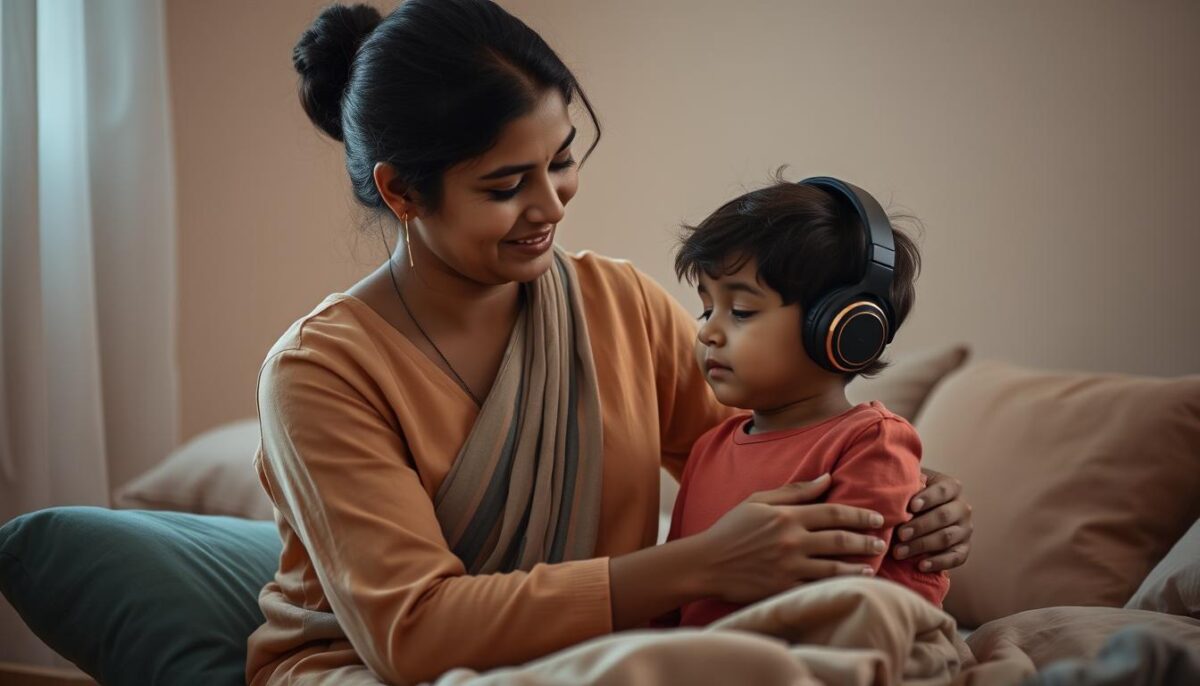
It’s the teenage where new hormones start to act. This makes the teen years emotional for everyone, but things can get even more intense for girls with autism. As children with autism observe things differently, they might struggle to identify their emotions or understand why they feel a certain way. And, struggling to communicate this can lead to frustration, anxiety, or even depression. Sensory sensitivities, like loud noises or bright lights, can make these feelings worse.
Even though schools help in socialization to an extent, it comes with a set of other challenges as well. As schoolwork gets harder, staying organized and managing time can be a struggle. Group projects, presentations, or even just the noisy school environment can feel overwhelming. Some girls might need extra help to keep up with their studies while dealing with these challenges.
Coming to the physical changes, puberty brings changes that can be confusing or uncomfortable. For girls with autism, things like periods or breast development might feel especially challenging. Wearing bras and using pads can irritate them due to sensory sensitivities. They might need clear, simple explanations and support to handle these changes.
We know that children with autism are different in many ways. Teenage is the time when these differences become more evident. Teenagers want to fit in, but girls with autism often feel like they don’t. They might be bullied or left out because they don’t act or think like their peers. Peers should understand that. However, with the spontaneous nature with which teens behave, things can go out of control. This can hurt the self-esteem of children with autism – especially girls – and make them feel like they don’t belong.
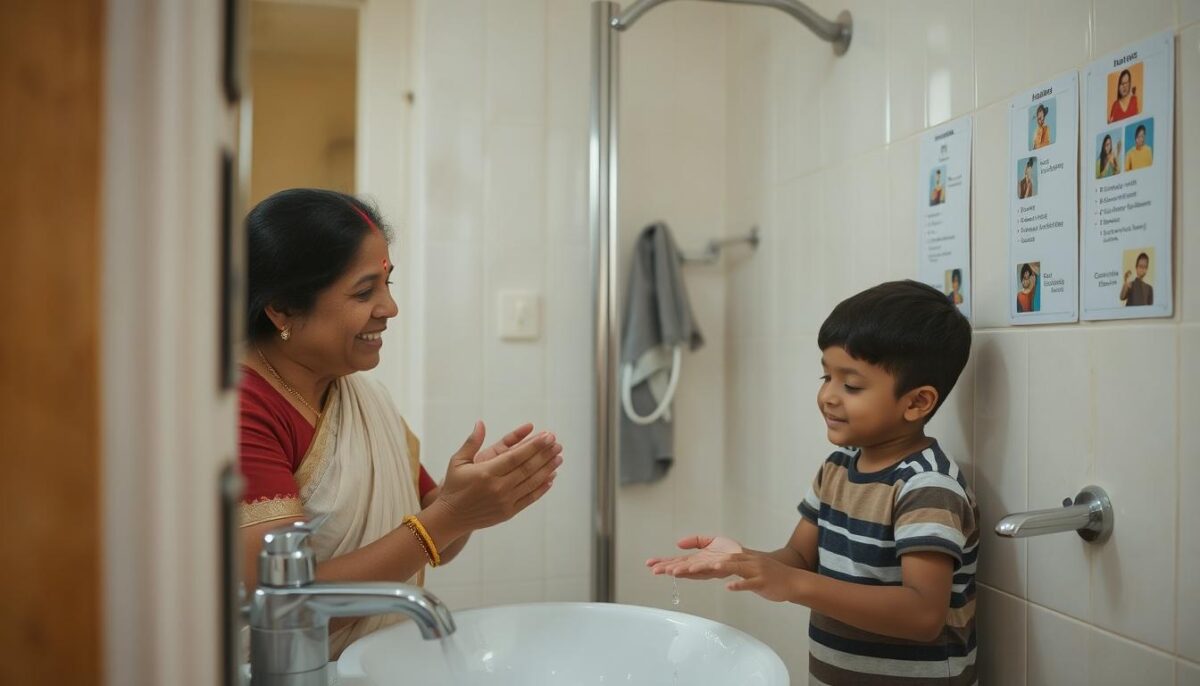
In most cases, people close to children with autism try to help them through adulthood. But without the right guidance, things can fall apart. As they grow older, girls with autism might need extra help learning life skills, like cooking, managing money, or taking care of themselves. Planning for the future, like college or a job, can also feel challenging without the right support.
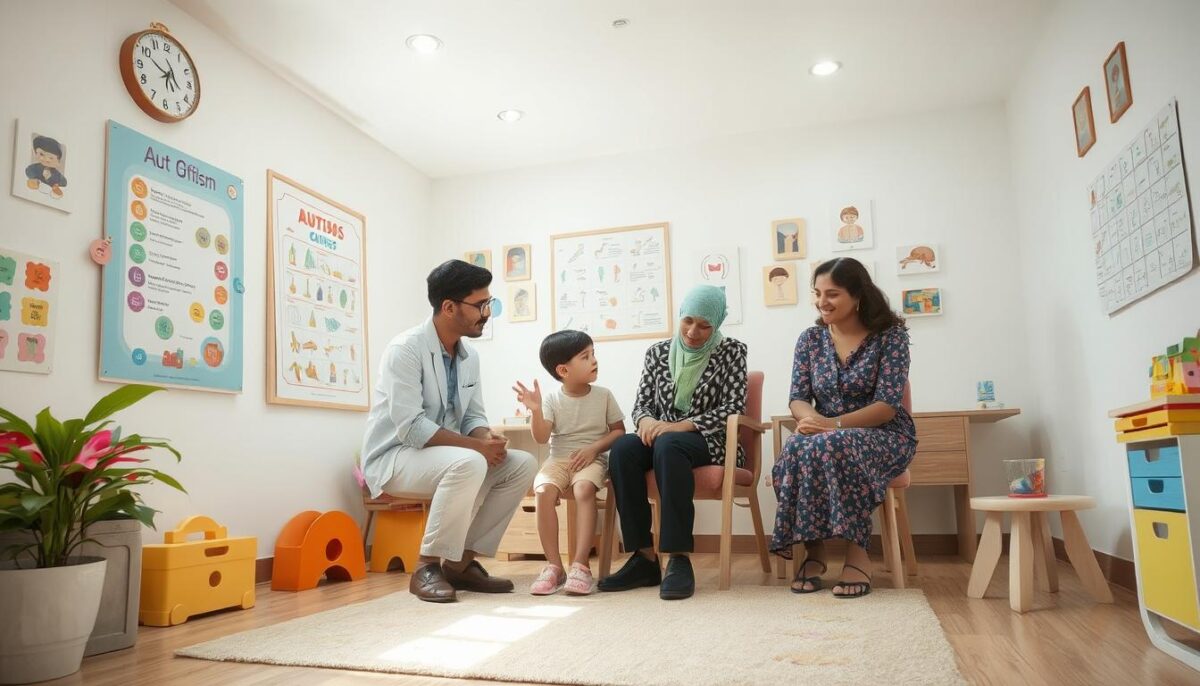
As a trusted autism care center in Kerala, we are committed to making society prepared to help girls with autism reach adulthood. Following are the ways you can act on this cause,
Adolescence is a challenging time, but with the right support, girls with autism can grow into confident, capable adults. Society around them has a big role in this. Being a socially committed autism care center in Kerala, we are here to help you with this. Let’s work together to make this journey a little easier for them.


 About Us