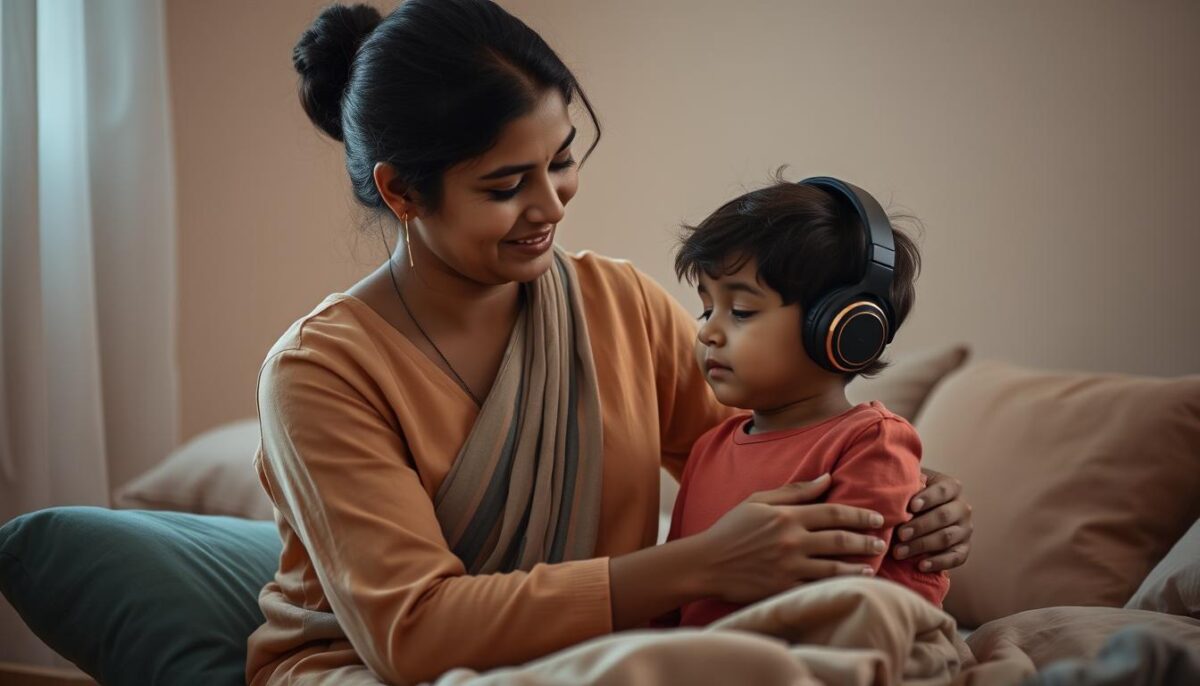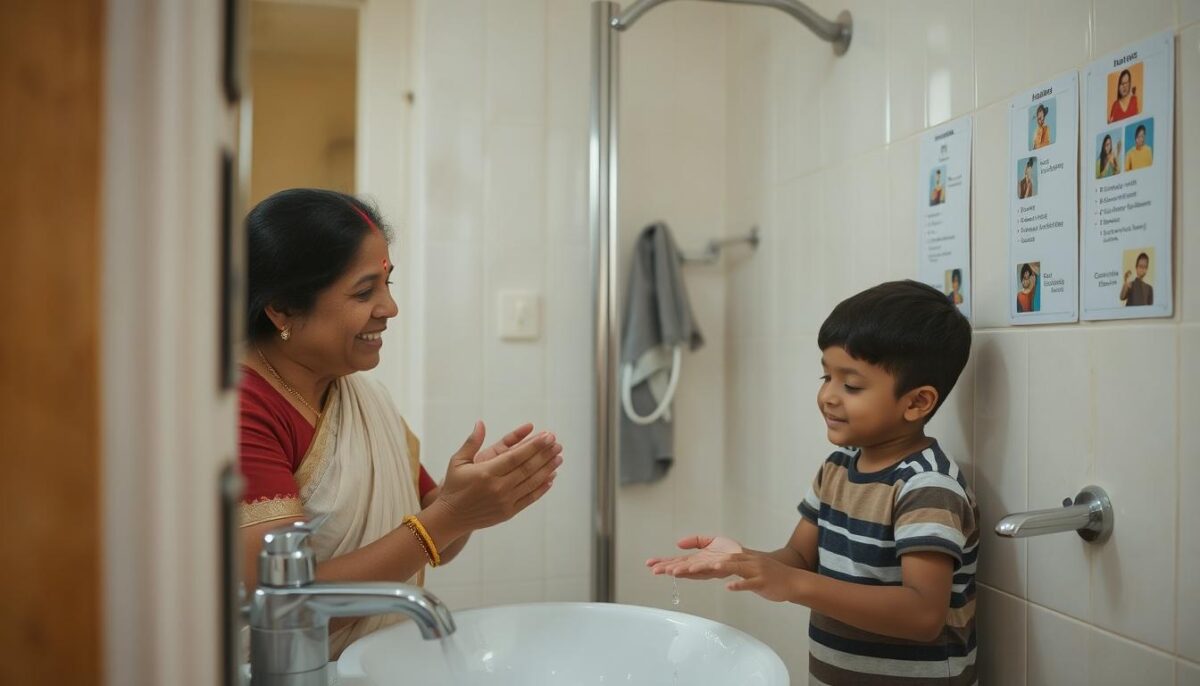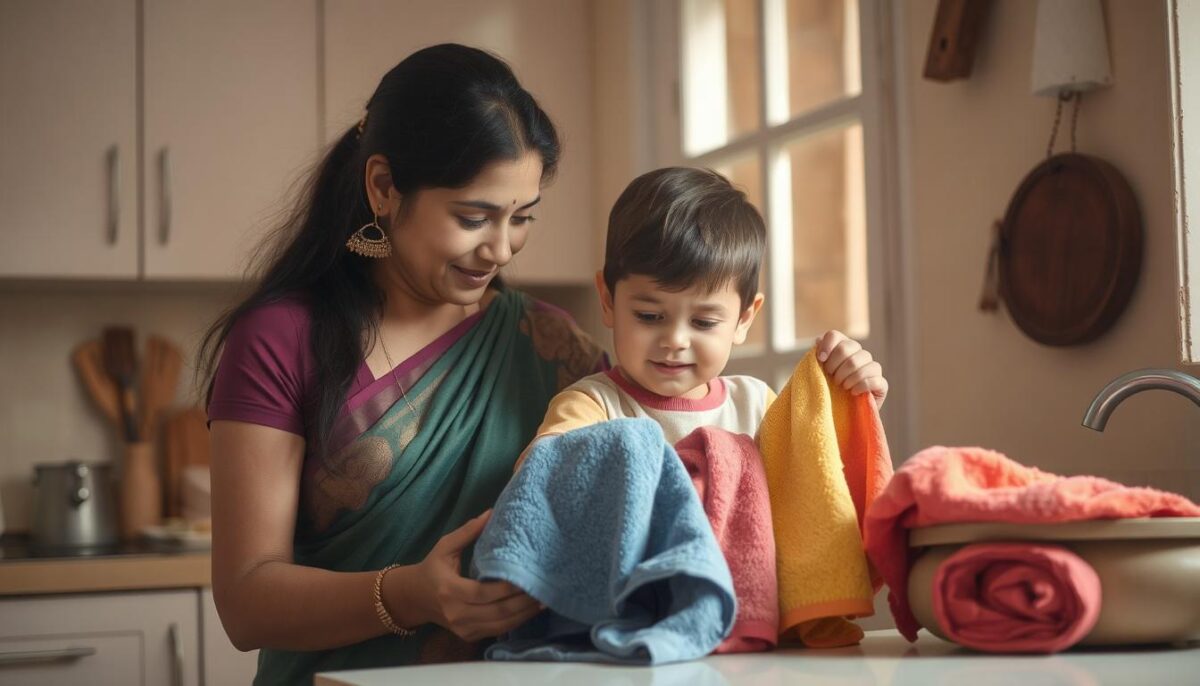

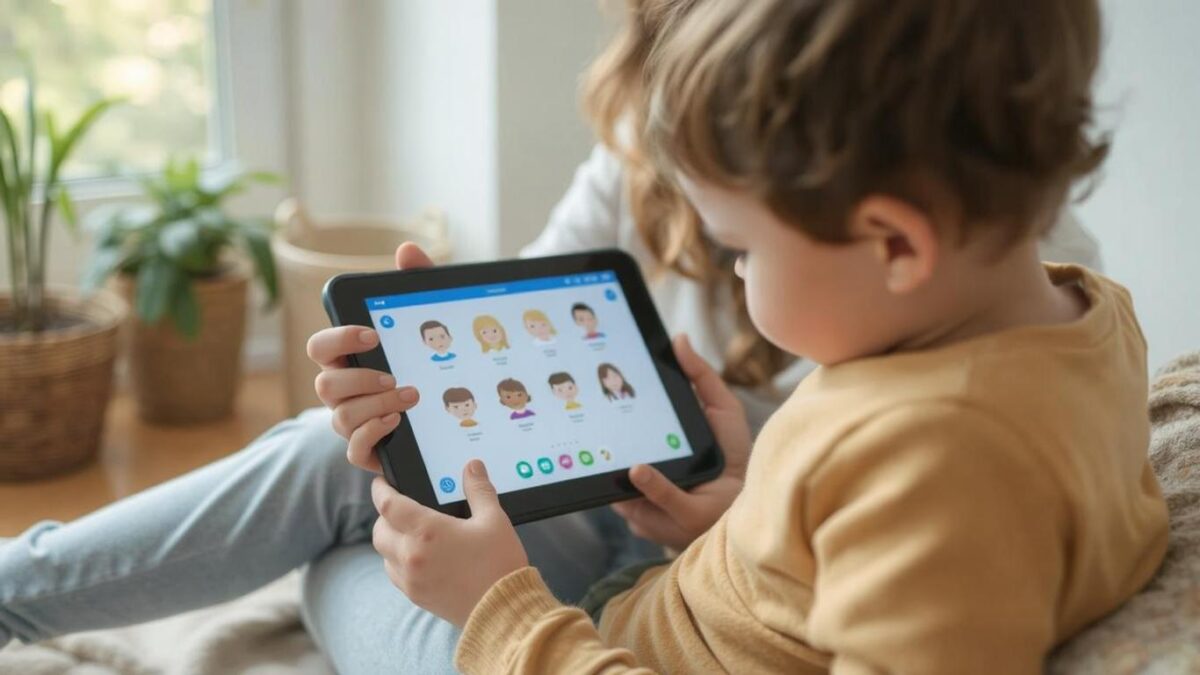
What if AI could lighten their load of therapists and parents who train children with autism? What if AI can offer insights and tools to make their efforts even more effective?
In Part 1 of AI for autism care, we explored how AI is transforming learning and communication for children with autism, adapting to their unique needs, enhancing AAC tools, and generating personalized social stories. But AI’s potential doesn’t stop there. Behind every child’s progress is a dedicated team: therapists, educators, and parents working tirelessly to provide the best support.
Let’s dive into how AI is becoming an invaluable partner for adults in a child’s life, helping them understand, teach, and connect in deeper ways.
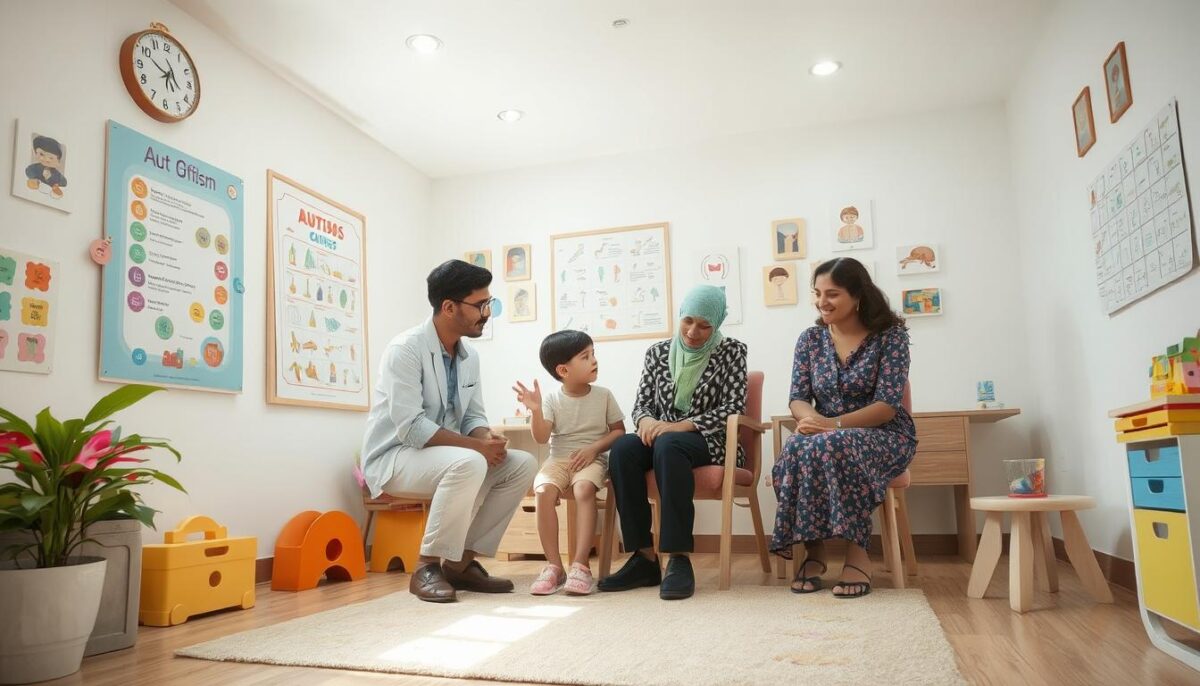
Early intervention is critical in autism support, but diagnosis often involves long waiting periods. AI is stepping in to help identify developmental differences sooner.
How AI works here:
Important Note: AI doesn’t replace doctors—it acts as a screening tool, helping families seek expert guidance faster.
Therapists of children with autism know that every session is a treasure trove of subtle cues. A fleeting moment of eye contact, a change in tone, or a gesture that signals frustration or engagement. Capturing and analyzing these details manually is nearly impossible.
How AI helps:
Example: An AI tool notices that a child responds better to visual prompts in the morning but engages more with verbal cues in the afternoon. The therapist adjusts the session structure accordingly, maximizing effectiveness.
Parents are their child’s first and most constant teachers. But without formal training, it can be challenging to apply therapeutic techniques at home. AI bridges this gap.
How AI supports parents:
Example: A parent films their child’s play session. The AI app reviews it and suggests, “Try pausing for 5 seconds after asking a question—your child needs more processing time.”
AI isn’t here to take over, it’s here to assist. By handling data-heavy tasks, it gives therapists more time to connect and parents more confidence to guide. Together, humans and AI can create a world where every child’s potential is nurtured with patience, precision, and care.
In Part 3, we’ll explore the future of AI and autism. From emotion-reading robots to VR social training, the possibilities are as unique as the children we support. More on that, in a later period.


 About Us