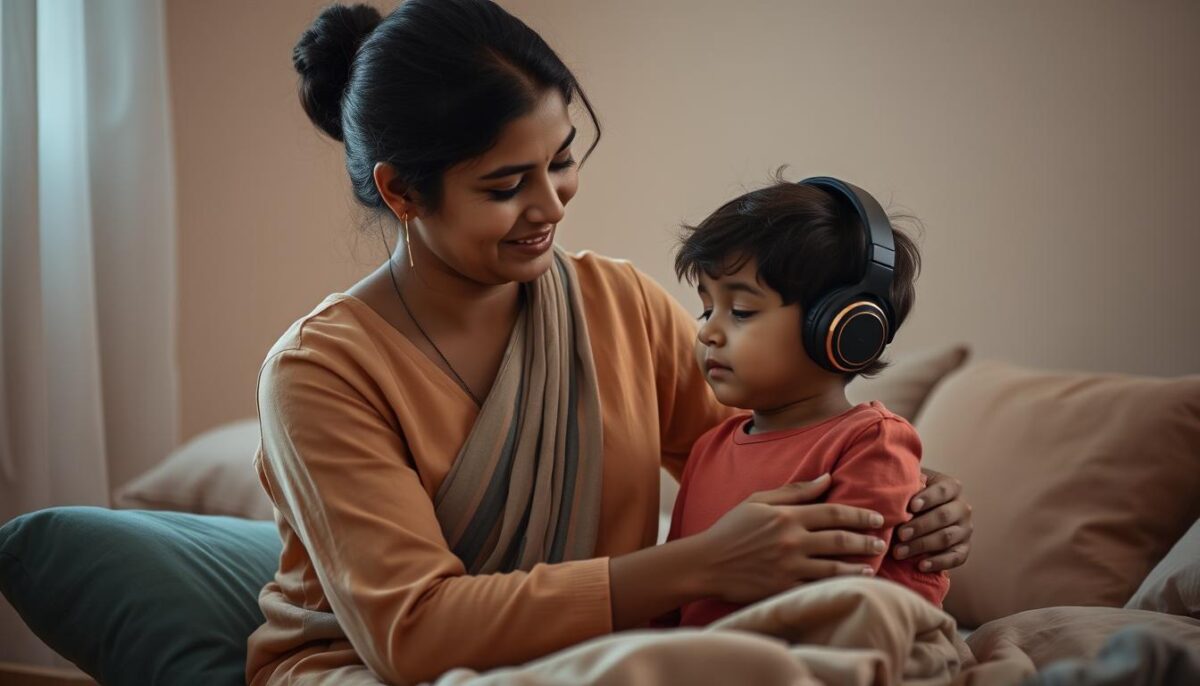


Stimming, short for self-stimulatory behavior, refers to repetitive actions or movements often exhibited by children with autism. These behaviors can include activities like hand-flapping, rocking, or repeating certain sounds or words. Understanding stimming behavior and its impact on a child’s social life is crucial for parents, caregivers, and educators.
Stimming and Autism
Stimming behaviors are not unique to children with autism, but they are more commonly observed in this population. These behaviors serve various purposes for children with autism:
Impact on Social Life
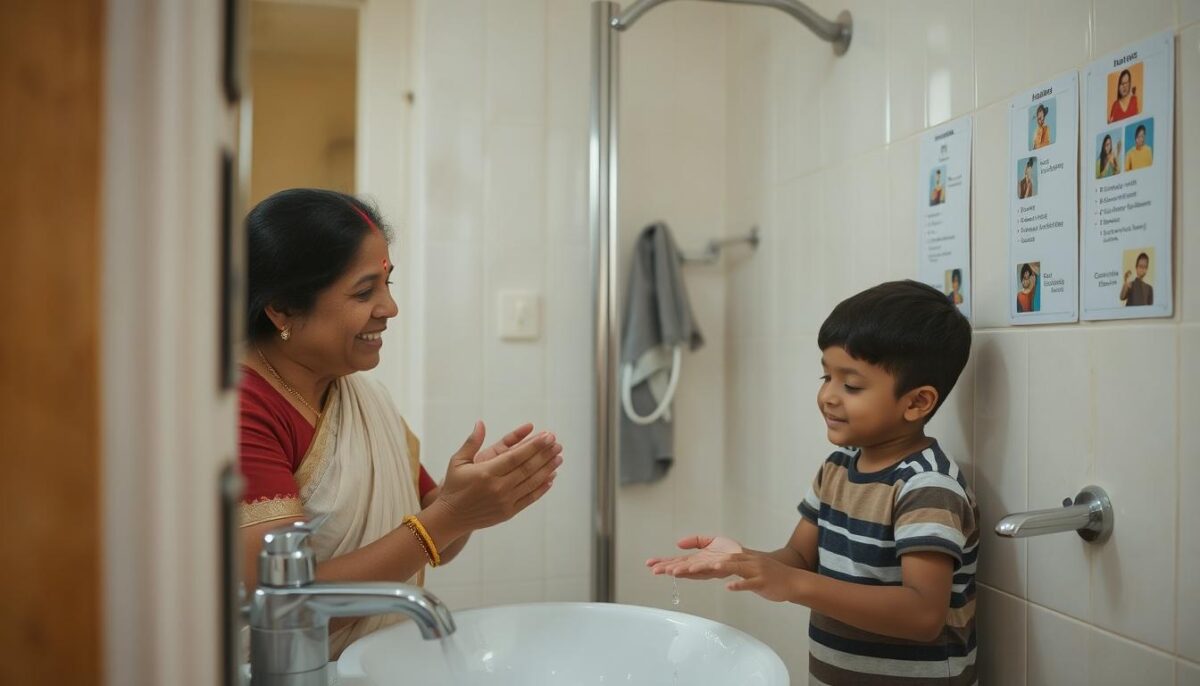
Managing Stimming Behavior
Conclusion
Stimming behavior in children with autism is a complex phenomenon that serves a range of purposes, from self-regulation to communication. While these behaviors can sometimes impact a child’s social life by creating challenges in social interactions or leading to stigma, it’s essential to approach them with acceptance, understanding, and support.
By providing alternatives for self-regulation, offering social skills training, and fostering a supportive environment, parents, caregivers, and educators can help children with autism navigate their social lives more effectively. It’s important to remember that while stimming behaviors may be a part of a child’s life, they do not define their potential or their ability to lead fulfilling and happy lives within their communities.
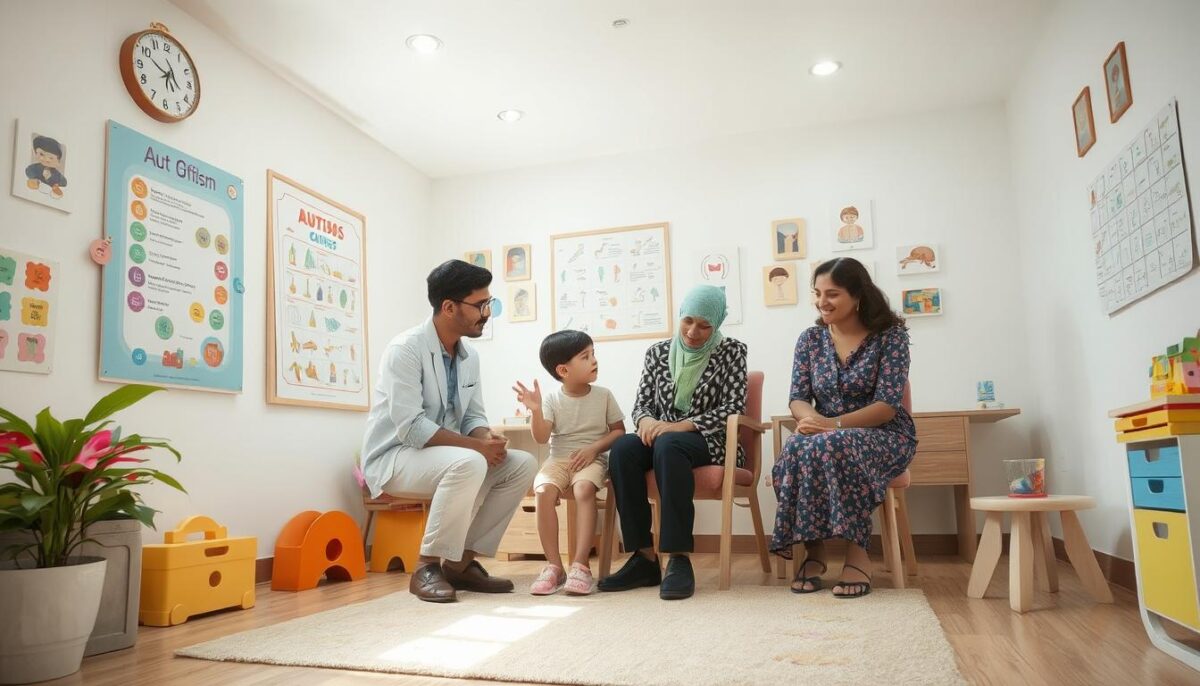
Furthermore, for children with autism and related developmental disorders, it’s crucial to consider consulting a speech therapist. Speech therapy can play a vital role in improving communication and social skills, making it an important part of the comprehensive care plan for these children.
Additionally, if you are seeking holistic and alternative treatment options for children with ADHD or other developmental disorders, Jeevaniyam Ayurveda offers a range of specialised treatments. Their expertise in Ayurvedic practices can complement conventional therapies, providing a more holistic approach to the well-being of your child. It’s always beneficial to explore a combination of approaches to ensure the best possible outcomes for your child’s development and quality of life.
communication and social skills, making it an important part of the comprehensive care plan for these children.
Additionally, if you are seeking holistic and alternative treatment options for children with ADHD or other developmental disorders, Jeevaniyam Ayurveda offers a range of specialised treatments. Their expertise in Ayurvedic practices can complement conventional therapies, providing a more holistic approach to the well-being of your child. It’s always beneficial to explore a combination of approaches to ensure the best possible outcomes for your child’s development and quality of life.


 About Us