

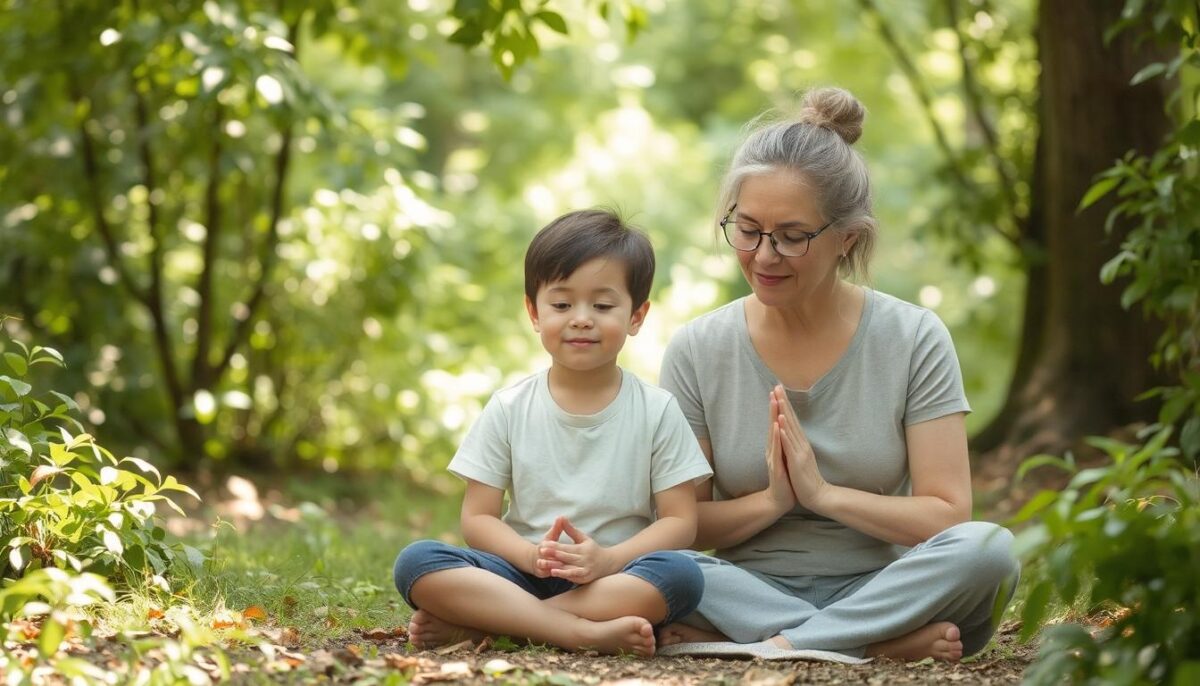
Life with a neurodiverse person is different and full of everyday realization, often with emotional ups and downs. Mindfulness Exercises in Neurodiversity offers simple, relaxing experiences that can help individuals find balance, connection, and peace in their daily lives. Many caregivers are always struggling to strike a balance between harmony in the house and the desire to support their loved one in all the best ways they can. Amidst all this, even a moment of reprieve, a walk in nature, or a collective pause in between a breath of calm can be considered a gift. Small, quiet practices are the little differences, and that is where mindfulness comes into play.
We know this journey not only through research, but also through life experience at Jeevaniyam. Our experience with families, therapists, and neurodiverse people has allowed us to formulate methods that can be effective without being harsh. We know that no two individuals are alike, and lots of traditional approaches are not appropriate for autism, ADHD, or sensory requirements. The reason behind this is that we provide easy and adaptable mindfulness tools that can be used in daily life. We aim to help you with composure, contact, and concern, not theories, but effective, gentle ways that work.
Mindfulness exercises in neurodiversity regulate the hypothalamic-pituitary-adrenal (HPA) axis, lessening the creation of cortisol in reaction to the pressure. Sensory overload and emotional dysregulation are usually increased because of elevated reactivity in the amygdala in neurodiverse people. The studies indicate that like breathing like diaphragmatic breathing, they reduce amygdala activity by 25%. The lack of silence, nature, and energy, combined with meditation, such as in a forest, reduces heart rate variability by 12%, improving the tone of the parasympathetic system.
The limits of conventional mindfulness, including standardised procedures, frequently fail to accommodate sensory sensitivities among neurodivergent people. An example is guided meditations with auditory signals that may be overwhelming to individuals with ASD.
Mindfulness exercises in neurodiversity should be modified to include physiological and sensory differences. The limits of conventional mindfulness, such as the lengthy periods of stillness or intricate visualisations, can likely worsen ADHD or SPD sufferers. It rather draws on silence, nature, and energy to establish practices that are accessible and calming.
Key adaptations include:
These transformations remove the frames of conventional mindfulness, hence accomplishing the neuroplasticity and emotional resiliency of the neurodivergent individuals.
Physiological responsiveness and regularity are required to make this a part of daily routines.
Mindfulness exercises in neurodiversity, based on silence, nature, and energy, provide a physiologically robust system of support to neurodiverse individuals. Specific exercises promote decoding emotions, feelings, and the neurophysiological functions by overcoming limitations of regular mindfulness. This frequent repetition is an encouraging way to induce peace and self-awareness, making individuals and caregivers strong enough to manage neurodiversity effectively. Contact doctors and experts at Jeevaniiyam anytime for guidance and assistance in creating customized mindfulness exercise routines.


 About Us