

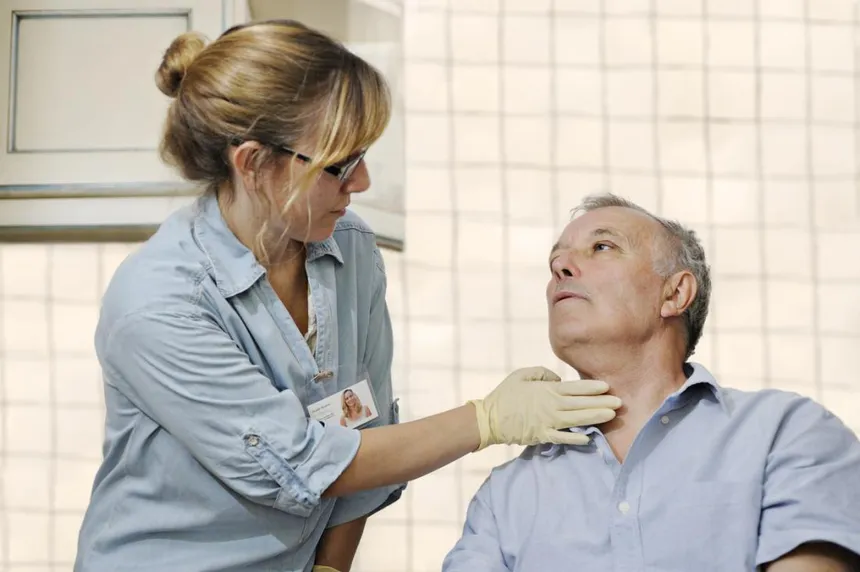
Dysphagia, a condition affecting the ability to swallow, brings significant challenges to an individual’s health and well-being. Identifying the signs and symptoms of dysphagia is pivotal for early detection and compassionate intervention. This blog post aims to shed light on the common experiences of dysphagia and highlight the compassionate role played by speech-language pathologists (SLPs) in both diagnosing and caring for individuals facing this condition.
Dysphagia manifests as difficulties swallowing, impacting various parts of the digestive system such as the oral cavity, pharynx, oesophagus, or gastroesophageal junction. The consequences, as outlined by the National Institute on Deafness and Other Communication Disorders (NIDCD) Factsheet, range from malnutrition and dehydration to aspiration pneumonia, compromised general health, chronic lung disease, choking, and, in severe cases, even death.

Recognizing the nuanced signs and symptoms of dysphagia is pivotal for fostering empathy and providing timely care. Individuals may experience:
(Source: NIDCD Factsheet)
In the realm of dysphagia, the compassionate care provided by speech-language pathologists (SLPs) cannot be overstated. These professionals collaborate with healthcare teams, offering understanding and support. SLPs identify the causes and signs of dysphagia, providing not only diagnosis and treatment but also a comforting presence.
The American Speech-Language-Hearing Association (ASHA) underscores the human touch in dysphagia intervention. The primary goals include:
(Sources: ASHA Practice Portal, CDSS Dysphagia Fact Sheet)
The simple act of swallowing, often taken for granted, can become a complex and frustrating obstacle for individuals facing dysphagia. This condition, characterised by difficulty swallowing food or liquids, can stem from a variety of causes, ranging from oro-motor dysfunction (weakness or incoordination of muscles involved in swallowing) to structural abnormalities like those caused by neurological conditions or head and neck cancers. Regardless of the cause, the impact of dysphagia on quality of life can be profound.
Beyond the immediate physical challenges of eating and drinking, dysphagia can trigger a ripple effect of negative consequences. Nutritional deficiencies, social isolation, and emotional distress are just some of the hurdles individuals with swallowing difficulties face. Fear of choking or embarrassing situations can lead to avoiding mealtimes and social gatherings, impacting social connections and mental well-being.
However, amidst these challenges, hope exists. At Jeevaniyam, we understand the unique struggles associated with dysphagia and are dedicated to providing comprehensive care that empowers individuals to reclaim their quality of life. Our team of qualified Speech Language Pathologists (SLPs) takes a holistic approach, offering:
Jeevaniyam goes beyond therapy. We create a supportive environment where individuals with swallowing difficulties, can feel empowered and thrive. By offering a holistic approach, we aim to equip individuals with the tools and knowledge they need to manage their dysphagia and reclaim control over their mealtimes.
Remember, you are not alone in your journey with swallowing challenges. With the right support and expertise, you can overcome these difficulties and live a fulfilling life. Take the first step and reach out to Jeevaniyam today. Together, let’s navigate the path towards a brighter future, free from the limitations of dysphagia.
Embrace hope, reclaim your power, and enjoy the simple pleasures of a delicious meal once again.


 About Us