

Nature of Stimming:
Stimming behaviours can manifest in a variety of ways, such as hand-flapping, rocking back and forth, finger-tapping, humming, repeating words or phrases, and fixating on specific objects. These behaviours serve multiple purposes for individuals with autism, including self-soothing, reducing anxiety, and expressing excitement. Stimming may also be a way for them to explore and interact with their environment.
Types of Stimming:
Stimming behaviours can be categorised into different types based on the sensory aspect they address. Two common types of stimming are vocal stimming and visual stimming:
Sensory and Behavioural Concerns:
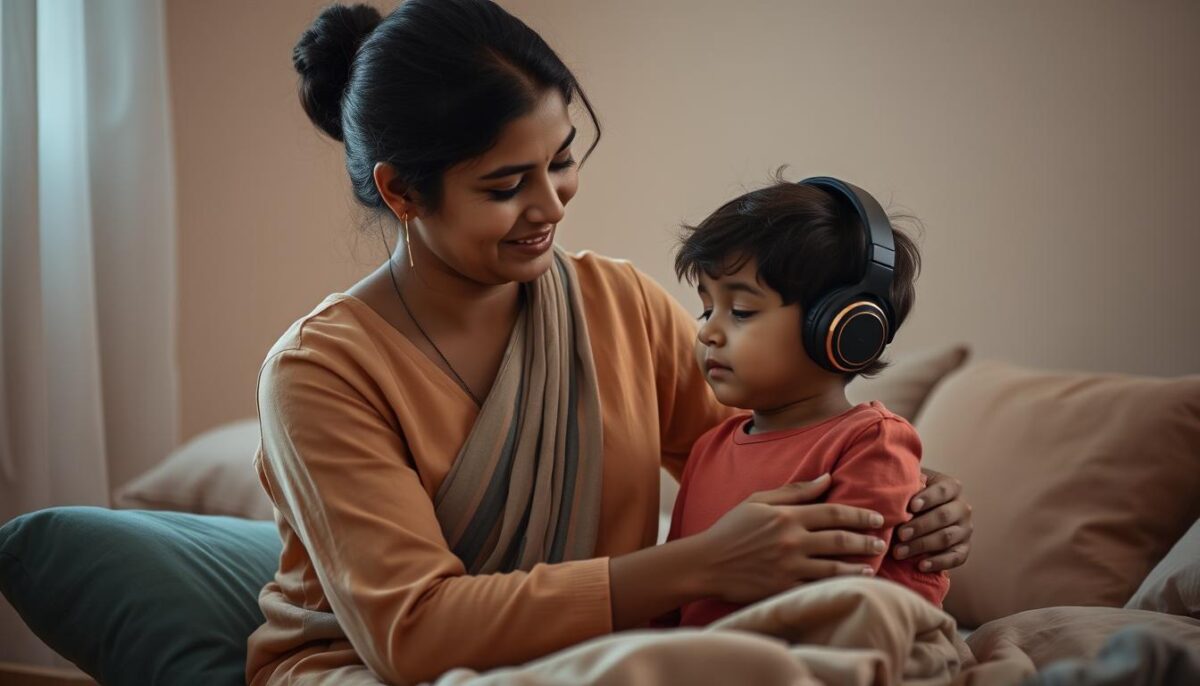
Stimming behaviours in autism are complex, involving both sensory and behavioural components. Sensory concerns arise from an individual’s heightened or diminished sensitivity to sensory input. Stimming can help individuals modulate these sensory experiences, acting as a coping mechanism. Behavioural concerns may involve the need for predictability, routine, and control, leading to repetitive behaviours as a way to manage uncertainty and anxiety.
Treatment Approaches:
Effective management of stimming behaviours often involves a combination of sensory integration therapy and behavioural therapy:
3.Occupational Therapy: Occupational therapists work with individuals to develop essential life skills, enhancing their ability to engage in daily activities independently.
Whom Does Stimming Typically Affect:
Stimming behaviours are prevalent among individuals with autism, regardless of age or intellectual ability. It can be observed in children as well as adults and can vary in intensity and frequency. It’s important to note that stimming is a natural response to sensory and emotional needs and is not limited to any particular subgroup within the autism spectrum.
Handling Stimming Behaviours at Home:
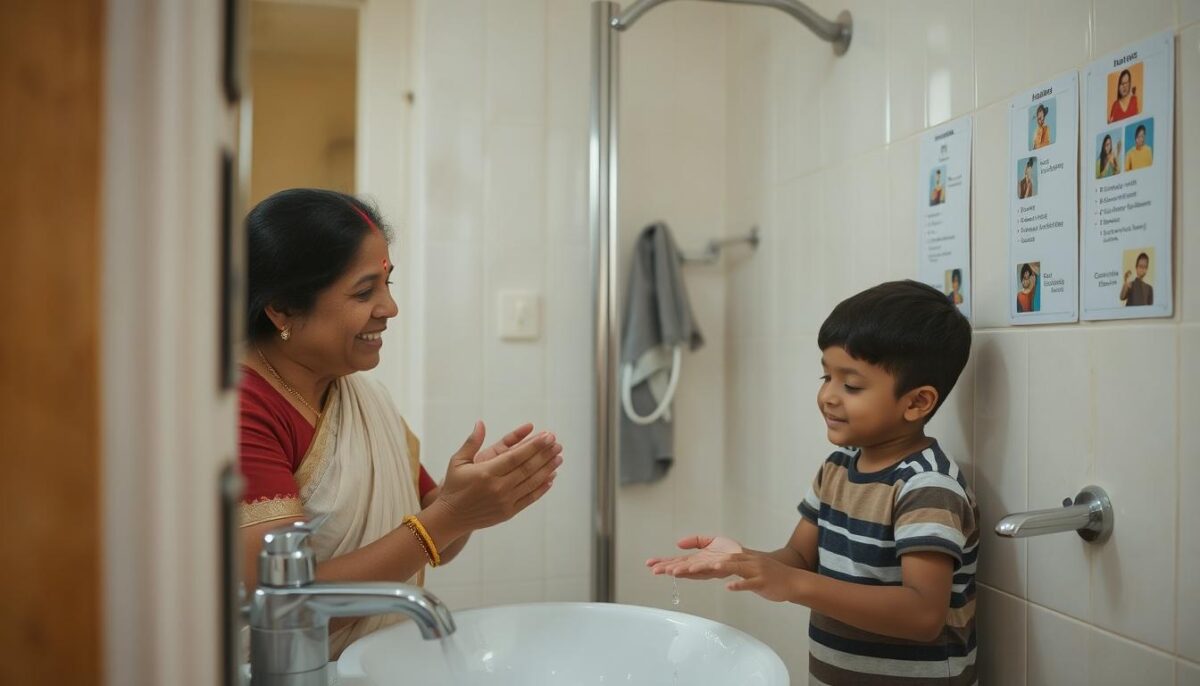
communication devices to help individuals express their needs and emotions.
Conclusion:
Understanding and managing stimming behaviours in individuals with autism is a complex but essential endeavour. Through a combination of therapies like sensory integration, behavioural therapy, and occupational therapy, along with incorporating yoga and maintaining consistent routines at home, we can provide meaningful support. Jeevaniyam Ayurveda takes this a step further by offering an integrative treatment approach that embraces both modern therapies and ancient Ayurvedic wisdom. By fostering harmony between mind, body, and soul, we empower children with autism to thrive and embrace their unique journey.


 About Us